Wellness and Fitness
Articles
Explore tutorials and editorials with multilingual SEO support.
Article categories
Language
Wellness and Fitness
Wellness and Fitness
22 Articles
5 minFree
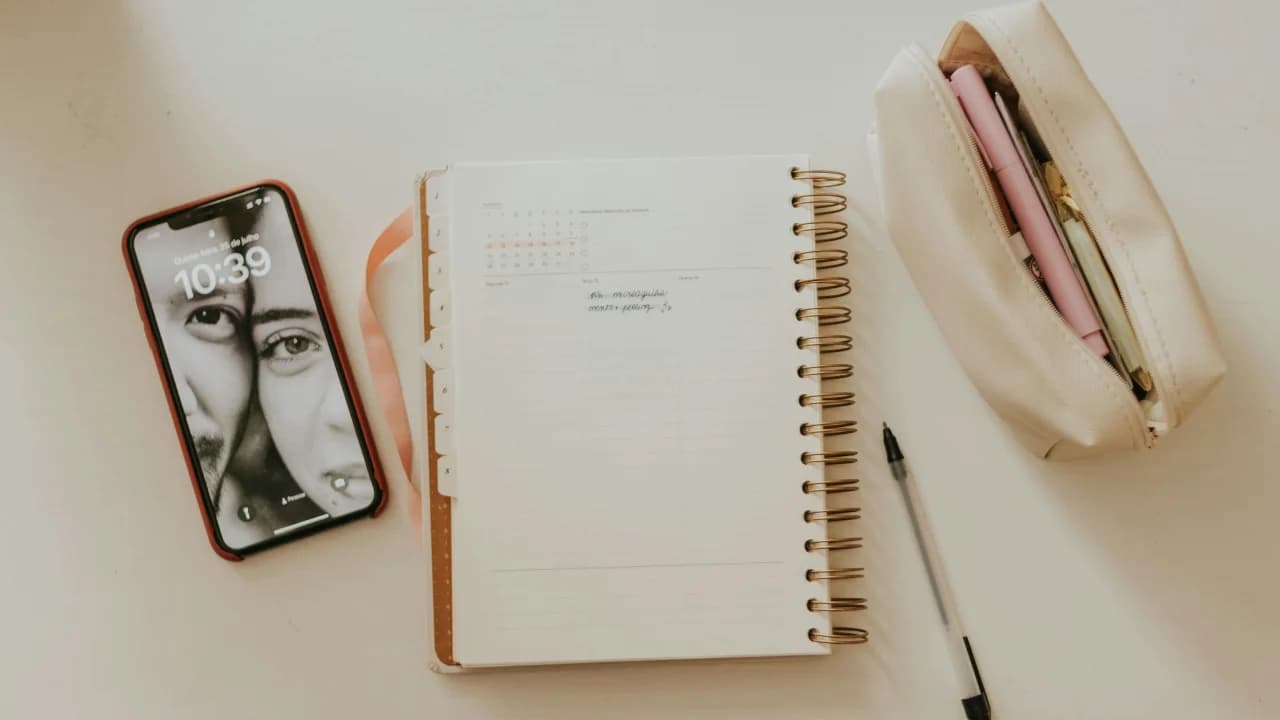
How to Plan Your Week on Sunday for a Stress Free Monday
Monday morning panic is avoidable. The feeling of dread when you walk into the office (or open your laptop) and realize you have no idea what you are supposed to be doing is not inevitable—it is the result of not planning ahead.
LifestyleWellness and FitnessLifestyleWellness

6 minFree
How to Create a Sustainable Daily Self Care Routine
Self-care has become a buzzword, often reduced to bubble baths and face masks. Real self-care is not about indulgence — it is about maintaining your physical, mental, and emotional health so you can function well and handle life's challenges.
LifestyleWellness and FitnessLifestyleCreateWellness

6 minFree
7 Benefits of Drinking Water First Thing in the Morning
Your body goes 6-10 hours without water while you sleep. Even mild dehydration — as little as 1-2% of body weight — affects mood, cognitive function, and physical performance.
LifestyleWellness and FitnessLifestyleWellness FitnessNutrition
5 minFree
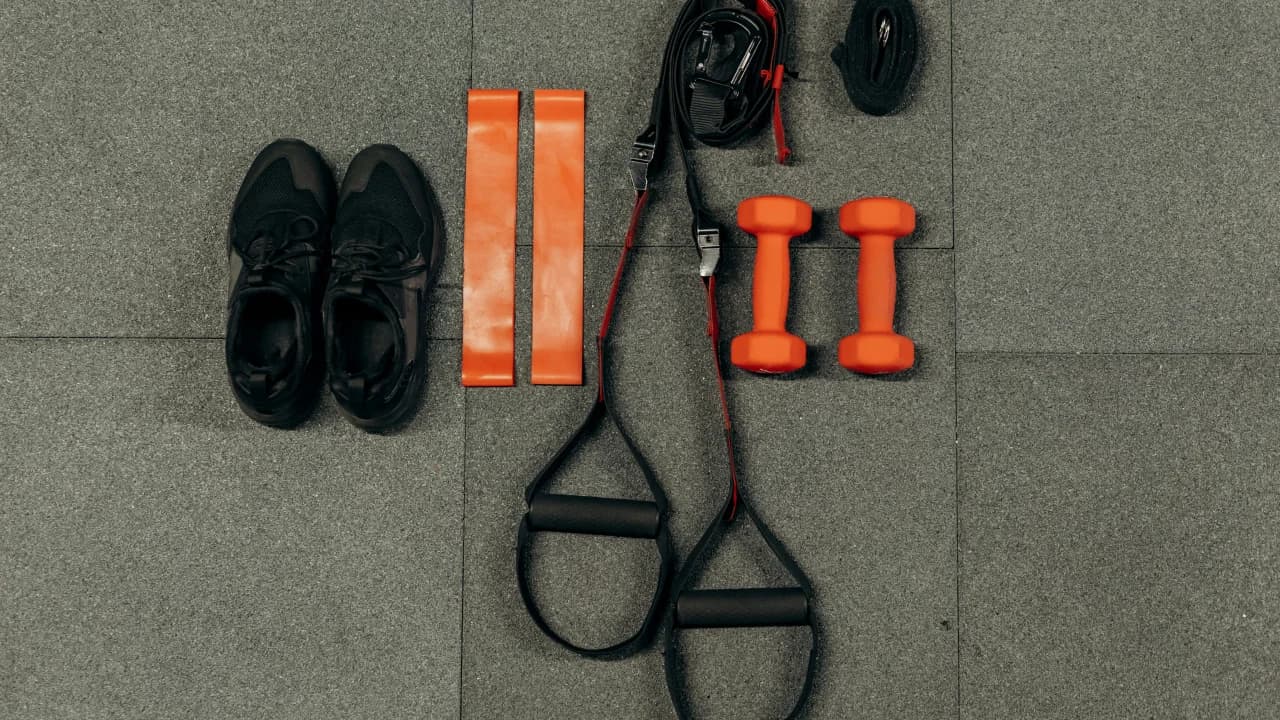
Home Gym Equipment Checklist: Best Essentials for Small Spaces
Building a home gym does not require a spare room or thousands of dollars. With strategic choices, you can get a full-body workout in a 4x6 foot space using a handful of versatile pieces of equipment.
LifestyleWellness and FitnessFitnessLifestyleWellness Fitness

7 minFree
A Guide to Intuitive Eating: Healing Your Relationship with Food
For decades, diet culture has taught us to distrust our bodies. Eat this, avoid that. Count calories. Weigh your food. Eat at these times, not those times. The result? An epidemic of disordered eating, body dissatisfaction, and a broken relationship with food.
LifestyleWellness and FitnessLifestyleWellness FitnessIntuitive

6 minFree
How to Manage Anxiety Naturally Without Medication
Anxiety is the most common mental health condition in the world, affecting an estimated 284 million people globally. While medication is life-saving for many, others prefer natural approaches — or want to supplement their treatment with lifestyle changes.
LifestyleWellness and FitnessLifestyleWellnessWellness Fitness

6 minFree
The Hidden Side Effects of Drinking Too Much Coffee
Coffee is one of the most widely consumed beverages in the world. It is rich in antioxidants, improves focus, boosts physical performance, and has been linked to a lower risk of several diseases.
LifestyleWellness and FitnessLifestyleWellness FitnessHidden

5 minFree
How to Start Running When You Are Completely Out of Shape
Running seems simple: put one foot in front of the other, go faster than walking. But for someone who is out of shape, overweight, or has never run before, the reality is different. You might feel breathless after 30 seconds. Your shins might hurt. You might feel embarrassed.
LifestyleWellness and FitnessFitnessLifestyleWellness Fitness

5 minFree
10 High Protein Snacks That Keep You Full All Day
Protein is the most satiating macronutrient. It reduces hunger hormones (ghrelin), increases fullness hormones (PYY, GLP-1), and stabilizes blood sugar levels. A high-protein snack can mean the difference between making healthy choices for the rest of the day and raiding the vending machine.
LifestyleWellness and FitnessHighLifestyleWellness Fitness

5 minFree
The Best Diet Plan for Managing Stress and Clear Skin
Your skin is a mirror of your internal health. When you are stressed, your body releases cortisol, which triggers inflammation, increases oil production, and breaks down collagen. The result: breakouts, dullness, redness, and premature aging.
LifestyleWellness and FitnessLifestyleWellnessWellness Fitness

6 minFree
How to Stop Overthinking: 4 Mindfulness Exercises That Help
Overthinking is a loop. Your brain latches onto a thought — a worry about the future, a regret about the past, an imagined scenario — and replays it endlessly. This mental pattern, also called rumination, is linked to anxiety, depression, and poor decision-making.
LifestyleWellness and FitnessHabitsLifestyleWellness

5 minFree
What Is Ashwagandha and Does It Actually Work?
Ashwagandha (*Withania somnifera*) is one of the most important herbs in Ayurveda, the traditional system of medicine in India. Often called "Indian ginseng" or "winter cherry," ashwagandha is classified as an adaptogen — a substance that helps the body adapt to stress.
LifestyleWellness and FitnessLifestyleWellness FitnessDoes
5 minFree
5 Easy Morning Stretches to Relieve Lower Back Pain
Lower back pain is the leading cause of disability worldwide. After a night of sleep — especially on an unsupportive mattress or in a poor position — your spine can feel stiff, compressed, and sore.
LifestyleWellness and FitnessLifestyleWellness FitnessEasy
4 minFree
Cardio vs Weight Training: Which Is Better for Weight Loss?
The debate between cardio and weight training for weight loss is one of the oldest in fitness. Cardio burns more calories *during* exercise. Weight training builds muscle, which burns more calories *at rest*. So which one should you choose?
LifestyleWellness and FitnessFitnessLifestyleWellness Fitness

4 minFree
The Ultimate Guide to Meal Prepping: Healthy Recipes Under $5
Meal prepping is the single most effective habit for eating healthy on a budget. By dedicating 2–3 hours one day per week, you can have nutritious, portion-controlled meals ready in minutes — saving money, time, and decision fatigue.
LifestyleWellness and FitnessLifestyleWellness FitnessUltimate

5 minFree
How to Improve Your Sleep Quality: 9 Habits for Better Rest
Sleep is not passive. It is an active, essential biological process that affects nearly every system in your body — your brain, heart, immune system, metabolism, and mood. Yet one in three adults does not get enough sleep.
LifestyleWellness and FitnessHabitsLifestyleWellness

5 minFree
7 Signs of Burnout and How to Recover Before It Is Too Late
Burnout is not simply "being tired." It is a state of emotional, physical, and mental exhaustion caused by prolonged stress. The World Health Organization (WHO) officially recognizes burnout as an occupational phenomenon, characterized by feelings of energy depletion, increased mental distance from one's job, and reduced professional efficacy.
LifestyleWellness and FitnessLifestyleWellnessWellness Fitness

5 minFree
Intermittent Fasting for Beginners: Everything You Need to Know
Intermittent fasting (IF) is not a diet — it is an eating pattern that cycles between periods of eating and fasting. Unlike traditional diets that tell you *what* to eat, IF focuses on *when* to eat. It has gained significant scientific attention for its potential benefits in weight loss, metabolic health, and even longevity.
LifestyleWellness and FitnessBeginnersLifestyleWellness Fitness

4 minFree
What to Eat Before and After a Workout for Optimal Muscle Growth
Muscle growth doesn't happen in the gym — it happens in the kitchen. What you eat before and after exercise directly affects your energy, performance, recovery, and muscle protein synthesis.
LifestyleWellness and FitnessFitnessLifestyleWellness Fitness

4 minFree
The Best 15 Minute Workout Routine for Busy Professionals
"I don't have time to exercise" is the number one reason people skip workouts. But research shows that 15-minute workouts, when done with intensity and structure, produce meaningful fitness results — improved cardiovascular health, muscle tone, and fat loss.
LifestyleWellness and FitnessFitnessLifestyleWellness Fitness

4 minFree
How to Lose Belly Fat Safely: Science Backed Strategies
Belly fat — also known as visceral fat — is more than just a cosmetic concern. It is a major risk factor for type 2 diabetes, heart disease, and metabolic syndrome. Unlike subcutaneous fat (the pinchable fat just under your skin), visceral fat wraps around your internal organs and actively disrupts hormone function.
LifestyleWellness and FitnessFitnessLifestyleWellness Fitness

3 minFree
Why Your Laptop Is Running Slow and How to Speed It Up
A slow laptop is almost always caused by one of these four problems:
TechnologyEngineering ArticlesLifestyleTechnologyEngineering ArticlesFitness