5 Easy Morning Stretches to Relieve Lower Back Pain
Lower back pain is the leading cause of disability worldwide. After a night of sleep — especially on an unsupportive mattress or in a poor position — your spine can feel stiff, compressed, and sore.
Introduction
Lower back pain is the leading cause of disability worldwide. After a night of sleep — especially on an unsupportive mattress or in a poor position — your spine can feel stiff, compressed, and sore.
A 5-minute morning stretching routine can reduce stiffness, improve mobility, and prevent flare-ups throughout the day. These 5 stretches target the muscles most commonly involved in lower back pain: the hip flexors, hamstrings, glutes, and spinal erectors.
Why Morning Stretching Works
During sleep, your spinal discs rehydrate and expand, which can make your back feel stiff. Joint fluid decreases, and muscles tighten. Morning stretching:
- Increases blood flow to the lower back
- Releases muscle tension accumulated overnight
- Restores range of motion
- Activates the core and glute muscles
- Reduces pressure on spinal discs
Before You Start
Important safety rules:
- Move slowly and gently — never force a stretch
- Breathe steadily throughout each movement
- Stop immediately if you feel sharp or shooting pain
- Consult a doctor if your pain is severe, persistent, or radiates down your leg
| Do | Don't |
|---|---|
| Move into each stretch slowly | Bounce or jerk |
| Breathe deeply and evenly | Hold your breath |
| Stretch to mild tension, not pain | Push past sharp pain |
| Perform on a soft surface (yoga mat) | Do on a hard floor |
Stretch 1: Knee-to-Chest Stretch
Target: Lower back, glutes
Duration: 30 seconds per side
How to Do It
- Lie on your back with both knees bent, feet flat on the floor.
- Slowly bring your right knee toward your chest, clasping your hands around your shin.
- Keep your left foot flat and your lower back pressed into the mat.
- Hold for 30 seconds while breathing deeply.
- Slowly lower the leg and repeat on the left side.
Progression: For a deeper stretch, bring both knees to your chest at the same time and gently rock side to side.
Why it helps: This stretch decompresses the lumbar spine, relieving pressure on the discs and stretching the gluteal muscles that often contribute to back pain.
Stretch 2: Cat-Cow Stretch
Target: Full spine, core, back extensors
Duration: 60 seconds (5 slow rounds)
How to Do It
- Start on your hands and knees in a tabletop position. Hands under shoulders, knees under hips.
- Cat: Round your spine upward like a cat, tucking your chin to your chest and drawing your belly button toward your spine.
- Cow: Slowly arch your back, lifting your head and tailbone toward the ceiling, letting your belly drop.
- Move slowly between these two positions, matching each movement to your breath.
Breathing pattern:
- Inhale during Cow (arching back)
- Exhale during Cat (rounding spine)
Why it helps: Cat-Cow increases spinal mobility, stretches the erector spinae muscles, and warms up the core. It is one of the safest and most effective morning back stretches.
Stretch 3: Child's Pose
Target: Lower back, hips, thighs
Duration: 45–60 seconds
How to Do It
- From tabletop position, sit your hips back toward your heels.
- Extend your arms forward on the mat, palms down.
- Lower your chest toward the floor. Your forehead can rest on the mat.
- Breathe deeply into the back of your ribcage.
- Hold for 45–60 seconds.
Variation: If your hips are tight, place a pillow between your thighs and calves. If your shoulders are tight, bring your arms alongside your body instead of extended forward.
Why it helps: Child's Pose gently stretches the entire posterior chain and decompresses the lumbar spine. It is a restorative stretch that calms the nervous system.
Stretch 4: Seated Spinal Twist
Target: Spine, glutes, obliques
Duration: 30 seconds per side
How to Do It
- Sit on the floor with both legs extended in front of you.
- Bend your right knee and cross it over your left leg, placing your right foot flat on the floor outside your left knee.
- Place your left elbow on the outside of your right knee and gently twist your torso to the right.
- Place your right hand behind you for support.
- Keep your sitting bones grounded and your spine tall.
- Hold for 30 seconds, then repeat on the other side.
Breathing tip: Inhale to lengthen your spine, exhale to deepen the twist.
Why it helps: Spinal twists improve rotational mobility, release tension in the paraspinal muscles, and mobilize the facet joints of the lower back.
Stretch 5: Supine Hamstring Stretch
Target: Hamstrings, lower back
Duration: 30 seconds per side
How to Do It
- Lie on your back with both knees bent.
- Extend your right leg toward the ceiling, keeping a slight bend in the knee (do not lock it).
- Clasp your hands behind your right thigh (or use a towel or strap around your foot).
- Gently pull the leg toward you until you feel a stretch in the back of your thigh.
- Keep your left foot flat on the floor and your lower back pressed down.
- Hold for 30 seconds, then switch legs.
Common mistake: Locking the knee or forcing the leg too close to your chest, which can aggravate sciatica.
Why it helps: Tight hamstrings pull on the pelvis, causing it to tilt and strain the lower back. Stretching them relieves this tension and improves pelvic alignment.
Complete Morning Routine
This takes 5 minutes and can be done right after waking.
| Stretch | Duration | Time Elapsed |
|---|---|---|
| Knee-to-chest (both sides) | 60 seconds | 1:00 |
| Cat-Cow | 60 seconds | 2:00 |
| Child's Pose | 60 seconds | 3:00 |
| Seated spinal twist (both sides) | 60 seconds | 4:00 |
| Supine hamstring stretch (both sides) | 60 seconds | 5:00 |
Lifestyle Tips to Prevent Lower Back Pain
1. Improve Your Sleep Position
| Position | Recommendation |
|---|---|
| Back sleeper | Pillow under knees |
| Side sleeper | Pillow between knees |
| Stomach sleeper | Avoid if possible (strains neck and back) |
2. Check Your Desk Setup
- Feet flat on floor
- Knees at 90 degrees
- Screen at eye level
- Lumbar support in chair
- Stand up every 30 minutes
3. Strengthen Your Core
A strong core supports your spine. Add these exercises 2–3 times per week:
- Dead bug
- Bird dog
- Glute bridge
- Plank
4. Walk More
Walking throughout the day lubricates spinal joints and prevents stiffness. Aim for 7,000–10,000 steps daily.
When to See a Doctor
Seek medical attention if you experience:
- Pain that radiates down one or both legs
- Numbness or tingling in the legs or feet
- Loss of bladder or bowel control
- Fever accompanying back pain
- Pain after a fall or injury
- Pain that does not improve after 2–3 weeks of stretching
Conclusion
You do not need expensive equipment or a gym membership to relieve lower back pain. These 5 stretches take just 5 minutes and address the most common causes of morning back stiffness.
Consistency is key. Perform this routine daily for 2 weeks and evaluate your progress. Most people report significant improvement in mobility and a reduction in pain intensity.
Start tomorrow morning. Your back will thank you.
Featured Articles

How to Stay Motivated When You Feel Like Giving Up
Motivation is not a constant. It ebbs and flows. Some days you wake up ready to conquer the world. Other days, getting out of bed feels like a win. The difference between people who succeed and those who give up is not that successful people never feel like quitting—it is that they have systems in place to keep going even when motivation is absent.
The Best Apps for Habit Tracking and Goal Setting
Building habits is hard. Tracking them makes it easier. Research from the American Psychological Association shows that monitoring your behavior increases self-awareness and improves follow-through. The right app can be the difference between a habit that sticks and one that fades after three days.
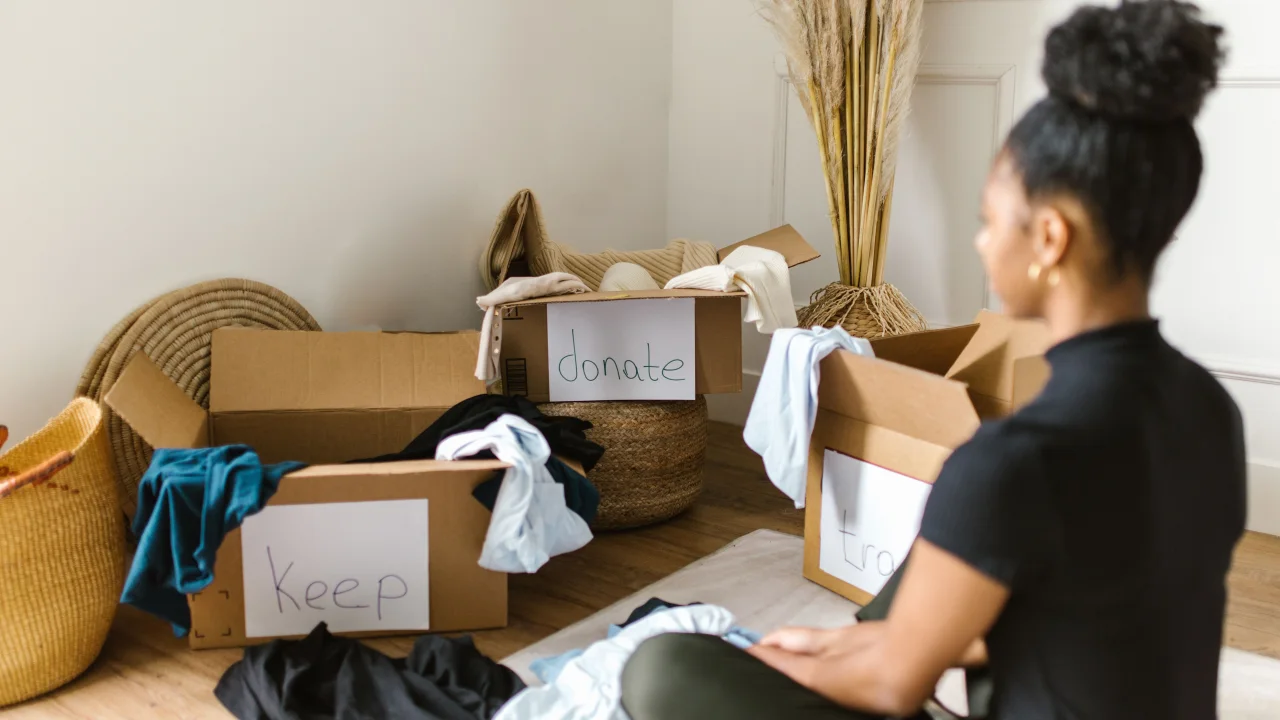
How to Curate a Capsule Wardrobe and Save Money on Clothes
The average person wears only 20% of their wardrobe 80% of the time. The rest sits unworn, taking up closet space and representing money that could have been saved. A capsule wardrobe solves this problem by paring down your clothing to a small set of versatile, high-quality pieces that all work together.
Comments
0 commentsNo approved comments are visible yet. New community replies may wait for moderation.