Intermittent Fasting for Beginners: Everything You Need to Know
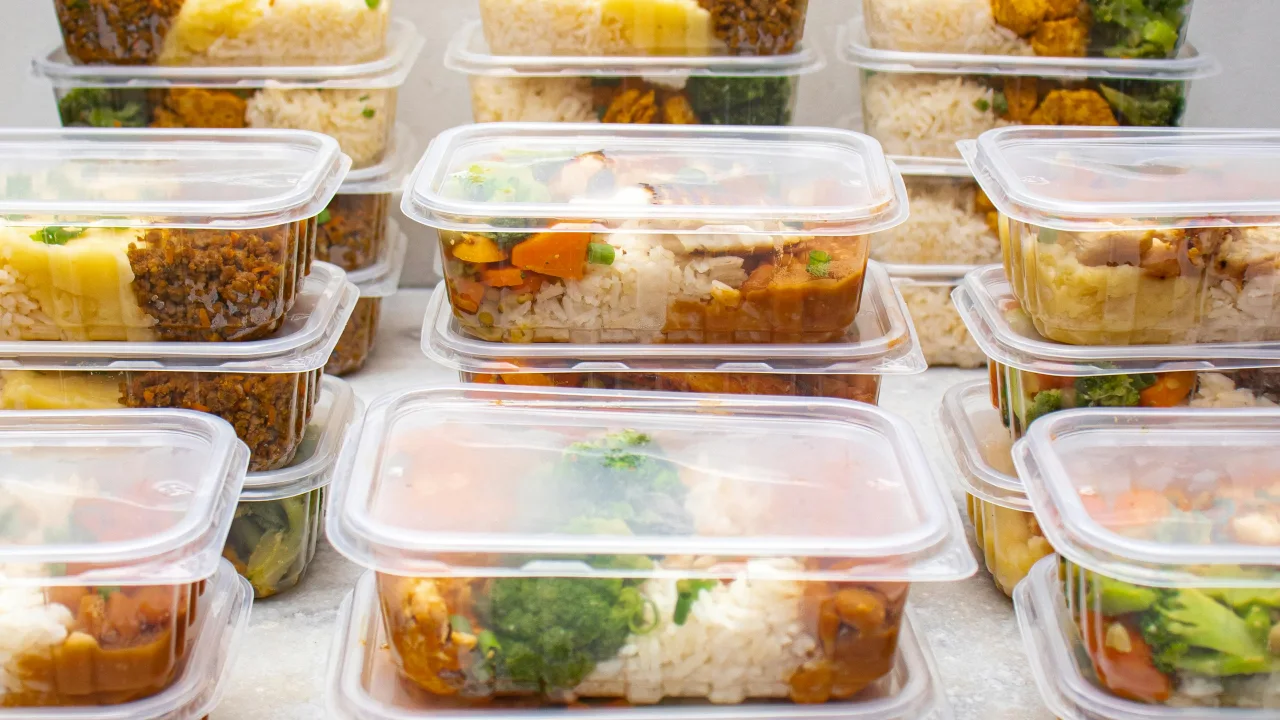
Intermittent fasting (IF) is not a diet — it is an eating pattern that cycles between periods of eating and fasting. Unlike traditional diets that tell you *what* to eat, IF focuses on *when* to eat. It has gained significant scientific attention for its potential benefits in weight loss, metabolic health, and even longevity.
Introduction
Intermittent fasting (IF) is not a diet — it is an eating pattern that cycles between periods of eating and fasting. Unlike traditional diets that tell you what to eat, IF focuses on when to eat. It has gained significant scientific attention for its potential benefits in weight loss, metabolic health, and even longevity.
This guide covers everything a beginner needs to know: how it works, the most popular methods, what to expect, and how to do it safely.
What Is Intermittent Fasting?
Intermittent fasting is the voluntary abstention from food (and calorie-containing beverages) for a set period. Water, black coffee, and unsweetened tea are allowed during the fasting window.
How It Affects Your Body
After 8–12 hours of fasting, your body depletes glycogen stores and shifts to burning fat for energy. Insulin levels drop, human growth hormone (HGH) increases, and cellular repair processes (autophagy) ramp up.
| Time Fasted | What Happens |
|---|---|
| 0–4 hours | Digestion and nutrient absorption |
| 4–8 hours | Blood sugar and insulin begin dropping |
| 8–12 hours | Glycogen stores low; fat oxidation increases |
| 12–16 hours | Ketone production rises; autophagy begins |
| 16–24 hours | Deep ketosis; enhanced cellular repair |
Popular Intermittent Fasting Methods
1. The 16/8 Method (Leangains)
How it works: Fast for 16 hours, eat within an 8-hour window (e.g., 12 PM – 8 PM).
Best for: Beginners. Most sustainable long-term.
Sample schedule:
- 8:00 AM – Black coffee or water
- 12:00 PM – First meal (lunch)
- 4:00 PM – Snack
- 7:30 PM – Dinner (last meal)
- 8:00 PM – Fast begins until next day at noon
2. The 14/10 Method
How it works: Fast for 14 hours, eat within a 10-hour window.
Best for: People who want a gentler introduction.
3. The 5:2 Diet
How it works: Eat normally 5 days per week. On 2 non-consecutive days, consume only 500–600 calories.
Best for: People who prefer flexibility over daily fasting.
4. Eat-Stop-Eat (24-Hour Fast)
How it works: One or two 24-hour fasts per week (e.g., dinner to dinner).
Best for: Experienced fasters. Not recommended for beginners.
Method Comparison
| Method | Fasting Time | Difficulty | Weight Loss Potential | Sustainability |
|---|---|---|---|---|
| 14/10 | 14 hours | Easy | Moderate | High |
| 16/8 | 16 hours | Moderate | High | High |
| 5:2 | 2 days low cal | Moderate | Moderate | Moderate |
| 24-hour fast | 24 hours | Hard | High | Low |
Benefits of Intermittent Fasting
Supported by Science
- Weight loss: Multiple studies show IF reduces body weight by 3–8% over 3–24 weeks.
- Improved insulin sensitivity: Reduces fasting insulin and blood sugar levels.
- Cellular repair: Autophagy removes damaged cells and may protect against aging.
- Brain health: Increases BDNF (brain-derived neurotrophic factor), which supports neuron function.
- Simplicity: Fewer meals to plan, prepare, and clean up.
What to Eat During Your Eating Window
IF does not give you a license to eat junk food. The quality of your meals still matters.
Building a Healthy Fasting Meal
| Component | Purpose | Examples |
|---|---|---|
| Protein (25–40 g per meal) | Satiety, muscle preservation | Chicken, eggs, fish, tofu |
| Vegetables (half your plate) | Fiber, micronutrients | Broccoli, spinach, peppers |
| Healthy fats (1–2 tbsp) | Hormone function, fullness | Olive oil, avocado, nuts |
| Complex carbs (1 serving) | Energy | Quinoa, sweet potato, oats |
Foods to Limit
- Ultra-processed snacks
- Sugary beverages
- Refined grains (white bread, pasta)
- Fried foods
Common Side Effects and How to Manage Them
| Side Effect | When It Occurs | Solution |
|---|---|---|
| Hunger | Days 1–5 | Drink water, black coffee, or herbal tea |
| Headaches | Days 1–3 | Increase salt and water intake |
| Irritability | Days 1–7 | Start with 14/10, ease into 16/8 |
| Fatigue | First week | Ensure adequate sleep and electrolytes |
| Brain fog | First few days | Your body is adapting to fat-burning mode |
These symptoms usually resolve within 1–2 weeks as your body adapts.
Who Should NOT Try Intermittent Fasting
Intermittent fasting is not suitable for everyone. Avoid IF if you:
- Are underweight (BMI < 18.5)
- Have a history of eating disorders
- Are pregnant or breastfeeding
- Have type 1 diabetes (without medical supervision)
- Have low blood pressure or take blood pressure medication
- Are under 18 years old
Always consult a doctor before starting any fasting regimen.
Sample 16/8 Meal Plan
Eating window: 12:00 PM – 8:00 PM
| Meal | Time | Food |
|---|---|---|
| Break fast (lunch) | 12:00 PM | Grilled chicken salad with quinoa, olive oil dressing |
| Snack | 3:30 PM | Greek yogurt + berries + almonds |
| Dinner | 7:00 PM | Baked salmon, roasted sweet potato, steamed broccoli |
| Optional dessert | 7:45 PM | Dark chocolate (2 squares) |
| Fast begins | 8:00 PM | Water only until noon next day |
Tips for Success
1. Stay Hydrated
Drink water throughout the fast. Add a pinch of salt to prevent electrolyte depletion.
2. Keep Busy During the Fast
Hunger is often boredom. Go for a walk, work on a project, or read.
3. Start Gradually
Try 14/10 for one week, then 15/9, then 16/8.
4. Do Not Overeat in Your Window
Aim for maintenance or slight deficit calories. IF does not work if you overeat.
5. Exercise While Fasted
Many people perform well working out fasted. Start with light cardio, then strength train as you adapt.
Frequently Asked Questions
Can I drink coffee while fasting?
Yes. Black coffee (no sugar, cream, or milk) is permitted.
Will I lose muscle?
Research shows IF preserves muscle better than calorie restriction alone, especially if protein intake is adequate.
Can I take supplements while fasting?
Supplements containing calories (fish oil, gummies) break your fast. Take them during your eating window.
How long until I see results?
Most people notice reduced bloating in 1 week, weight changes in 2–4 weeks.
Conclusion
Intermittent fasting is a flexible, science-backed approach to eating that can help with weight loss, metabolic health, and simplifying your daily routine. Start with the 14/10 or 16/8 method, focus on whole foods during your eating window, and listen to your body.
Like any tool, IF works best when used correctly. Combine it with nutritious food and regular exercise for the best results.
Featured Articles

How to Stay Motivated When You Feel Like Giving Up
Motivation is not a constant. It ebbs and flows. Some days you wake up ready to conquer the world. Other days, getting out of bed feels like a win. The difference between people who succeed and those who give up is not that successful people never feel like quitting—it is that they have systems in place to keep going even when motivation is absent.
The Best Apps for Habit Tracking and Goal Setting
Building habits is hard. Tracking them makes it easier. Research from the American Psychological Association shows that monitoring your behavior increases self-awareness and improves follow-through. The right app can be the difference between a habit that sticks and one that fades after three days.

How to Curate a Capsule Wardrobe and Save Money on Clothes
The average person wears only 20% of their wardrobe 80% of the time. The rest sits unworn, taking up closet space and representing money that could have been saved. A capsule wardrobe solves this problem by paring down your clothing to a small set of versatile, high-quality pieces that all work together.
Comments
0 commentsNo approved comments are visible yet. New community replies may wait for moderation.