How to Lose Belly Fat Safely: Science Backed Strategies

Belly fat — also known as visceral fat — is more than just a cosmetic concern. It is a major risk factor for type 2 diabetes, heart disease, and metabolic syndrome. Unlike subcutaneous fat (the pinchable fat just under your skin), visceral fat wraps around your internal organs and actively disrupts hormone function.
Introduction
Belly fat — also known as visceral fat — is more than just a cosmetic concern. It is a major risk factor for type 2 diabetes, heart disease, and metabolic syndrome. Unlike subcutaneous fat (the pinchable fat just under your skin), visceral fat wraps around your internal organs and actively disrupts hormone function.
The good news? Science shows that belly fat is highly responsive to lifestyle changes. This guide covers evidence-based strategies to reduce belly fat safely and sustainably.
Understanding Belly Fat
Types of Belly Fat
| Type | Location | Health Risk |
|---|---|---|
| Subcutaneous fat | Under the skin, pinchable | Low |
| Visceral fat | Deep in the abdomen, around organs | High |
A waist circumference over 40 inches (102 cm) for men or 35 inches (88 cm) for women signals excess visceral fat.
Strategy 1: Create a Caloric Deficit — The Right Way
Spot reduction is a myth. You cannot target belly fat with crunches or planks. Fat loss happens when your body is in a caloric deficit — burning more energy than you consume.
How to create a safe deficit:
- Reduce daily intake by 300–500 calories (not more).
- Aim to lose 0.5–2 pounds per week. Faster loss often means muscle loss.
- Track intake for 2–3 weeks using an app like MyFitnessPal to calibrate portion sizes.
Strategy 2: Prioritize Protein
Protein boosts metabolism, reduces appetite, and preserves muscle during weight loss.
Target: 0.7–1.0 grams of protein per pound of body weight.
Example for a 180 lb person: 126–180 g protein daily.
| Meal | Protein Source | Grams |
|---|---|---|
| Breakfast | 3 eggs + Greek yogurt | 30 g |
| Lunch | 6 oz chicken breast | 42 g |
| Snack | 1 scoop whey protein | 25 g |
| Dinner | 6 oz salmon | 36 g |
Strategy 3: Eat More Soluble Fiber
Soluble fiber absorbs water and forms a gel that slows digestion, keeping you full longer and reducing calorie absorption.
Top sources:
- Oats
- Barley
- Beans and lentils
- Brussels sprouts
- Flaxseeds
- Avocados
Target: 25–30 g of total fiber daily, with at least 10 g from soluble sources.
Strategy 4: Cut Added Sugar and Refined Carbs
High sugar intake is strongly linked to increased visceral fat. Fructose (found in added sugars) is metabolized directly by the liver and promotes fat storage around the abdomen.
Foods to reduce or avoid:
- Sugary sodas and fruit juices
- Candy, cookies, and pastries
- White bread, white rice, and sugary cereals
- Flavored coffees and energy drinks
Swap table:
| Instead of | Try |
|---|---|
| Soda | Sparkling water with lemon |
| White rice | Cauliflower rice or quinoa |
| Sugary cereal | Oatmeal with berries |
| Fruit juice | Whole fruit |
Strategy 5: Incorporate HIIT Cardio
High-Intensity Interval Training (HIIT) is more effective than steady-state cardio for reducing visceral fat.
Sample HIIT protocol (15 minutes):
- Warm up: 2 minutes jogging in place
- 30 seconds sprint / 30 seconds rest — repeat 10 times
- Cool down: 3 minutes walking
Do HIIT 3 times per week. Never do HIIT on consecutive days — your body needs recovery.
Strategy 6: Lift Weights
Resistance training preserves muscle mass during fat loss and increases basal metabolic rate.
Best compound lifts for fat loss:
- Squats
- Deadlifts
- Bench press
- Pull-ups
- Overhead press
Routine: 3 sets of 8–12 reps, 3–4 times per week.
Strategy 7: Sleep 7–9 Hours Per Night
Poor sleep is linked to increased cortisol and ghrelin (hunger hormone), both of which promote belly fat storage.
| Sleep Duration | Effect on Belly Fat |
|---|---|
| < 6 hours | Higher visceral fat accumulation |
| 7–9 hours | Optimal fat loss |
| > 9 hours | May also be linked to fat gain |
Sleep hygiene tips:
- Go to bed at the same time every night
- No screens 60 minutes before bed
- Keep bedroom cool (65–68°F / 18–20°C)
- Avoid caffeine after 2 PM
Strategy 8: Manage Stress
Chronic stress elevates cortisol, which increases appetite, cravings for junk food, and directs fat storage to the abdomen.
Stress reduction techniques:
- 10 minutes of mindfulness meditation daily
- Deep breathing (4 seconds in, 6 seconds out)
- Walking in nature
- Journaling for 5 minutes
Sample One-Day Eating Plan
| Meal | Food | Calories |
|---|---|---|
| Breakfast | 3 scrambled eggs + 1 cup spinach + 1 slice whole grain toast | 350 |
| Lunch | Grilled chicken salad with olive oil dressing + quinoa | 450 |
| Snack | Apple + 1 tbsp almond butter | 200 |
| Dinner | Baked salmon + roasted broccoli + sweet potato | 500 |
| Total | 1,500 |
What to Avoid
- Detox teas and cleanses: They cause water loss, not fat loss.
- Waist trainers: They temporarily shape your waist but do not reduce fat.
- Fat burner supplements: Most are unregulated and ineffective.
- Extreme calorie restriction: Slows metabolism and causes muscle loss.
Timeline for Realistic Results
| Week | Expected Changes |
|---|---|
| 1–2 | Water weight loss, reduced bloating |
| 3–4 | Noticeable inch loss in waist |
| 5–8 | Visible fat loss, better definition |
| 9–12 | Significant reduction in belly fat |
Conclusion
Losing belly fat takes consistency, not perfection. Focus on whole foods, strength training, quality sleep, and stress management. Crash diets and quick fixes do not work — but sustainable habits do. Start with one strategy this week, master it, then add the next.
Featured Articles

How to Stay Motivated When You Feel Like Giving Up
Motivation is not a constant. It ebbs and flows. Some days you wake up ready to conquer the world. Other days, getting out of bed feels like a win. The difference between people who succeed and those who give up is not that successful people never feel like quitting—it is that they have systems in place to keep going even when motivation is absent.

The Best Apps for Habit Tracking and Goal Setting
Building habits is hard. Tracking them makes it easier. Research from the American Psychological Association shows that monitoring your behavior increases self-awareness and improves follow-through. The right app can be the difference between a habit that sticks and one that fades after three days.
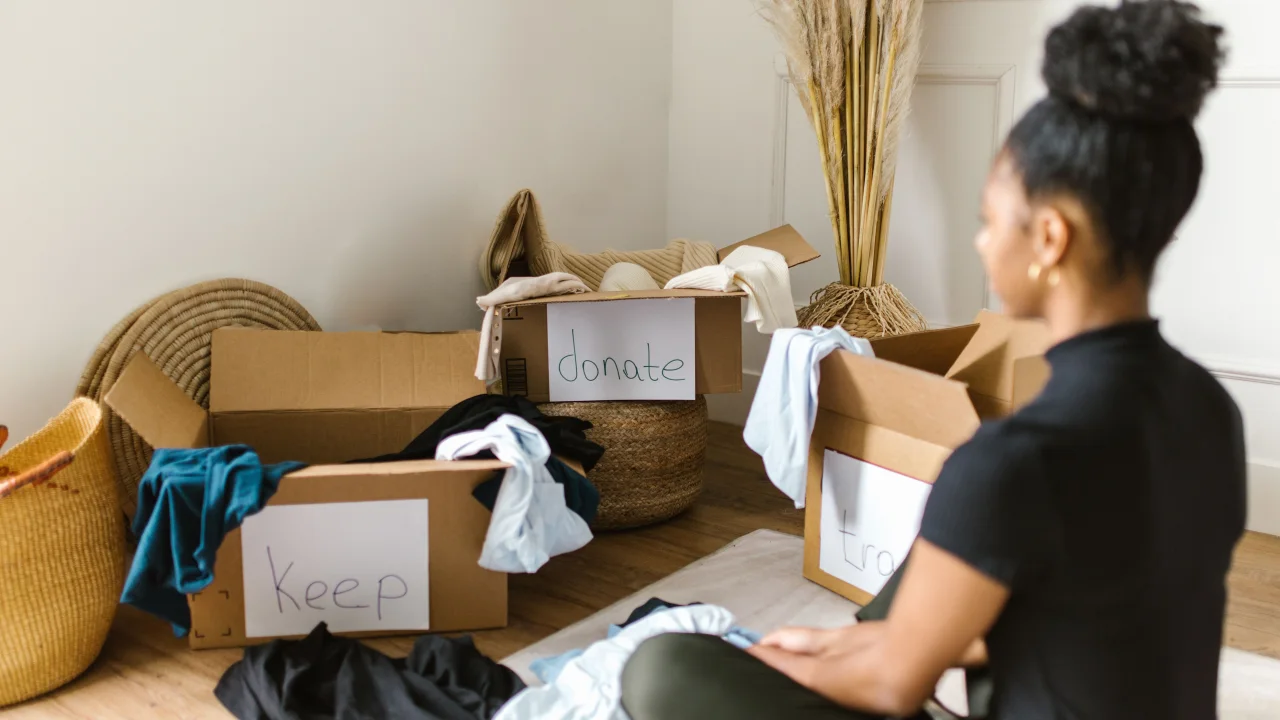
How to Curate a Capsule Wardrobe and Save Money on Clothes
The average person wears only 20% of their wardrobe 80% of the time. The rest sits unworn, taking up closet space and representing money that could have been saved. A capsule wardrobe solves this problem by paring down your clothing to a small set of versatile, high-quality pieces that all work together.
Comments
0 commentsNo approved comments are visible yet. New community replies may wait for moderation.