How to Manage Anxiety Naturally Without Medication
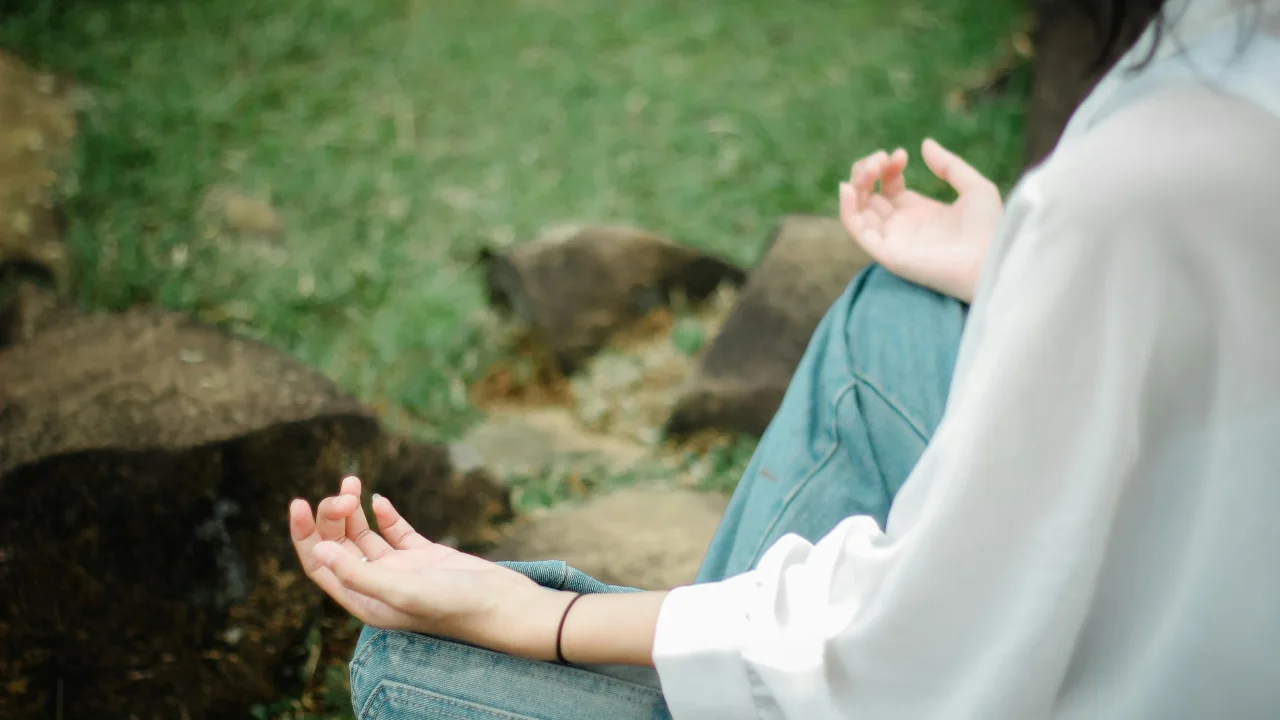
Anxiety is the most common mental health condition in the world, affecting an estimated 284 million people globally. While medication is life-saving for many, others prefer natural approaches — or want to supplement their treatment with lifestyle changes.
Introduction
Anxiety is the most common mental health condition in the world, affecting an estimated 284 million people globally. While medication is life-saving for many, others prefer natural approaches — or want to supplement their treatment with lifestyle changes.
The good news: there is strong scientific evidence that certain natural strategies can significantly reduce anxiety symptoms. This guide covers the most effective evidence-based methods.
Understanding Anxiety
Normal Anxiety vs. Anxiety Disorder
| Aspect | Normal Anxiety | Anxiety Disorder |
|---|---|---|
| Trigger | Real, proportionate threat | Perceived or exaggerated threat |
| Duration | Passes when threat passes | Persists for weeks/months |
| Intensity | Proportional | Out of proportion |
| Daily function | Not impaired | Significantly impaired |
How Anxiety Works in the Body
Anxiety activates the sympathetic nervous system (fight-or-flight). Your body releases adrenaline and cortisol, increasing heart rate, breathing rate, and muscle tension. Chronic anxiety keeps this system constantly engaged, leading to:
- Sleep disturbances
- Digestive problems
- Weakened immune system
- Chronic fatigue
- Difficulty concentrating
Natural Strategy 1: Deep Breathing
Why It Works
Slow, deep breathing activates the vagus nerve, which triggers the parasympathetic nervous system (rest-and-digest). This directly counteracts the fight-or-flight response.
The 4-7-8 Breathing Technique
Developed by: Dr. Andrew Weil
Best for: Acute anxiety, panic attacks, falling asleep
- Inhale quietly through your nose for 4 counts
- Hold your breath for 7 counts
- Exhale completely through your mouth for 8 counts
- Repeat 4–8 times
Box Breathing
Best for: Daily stress management, before stressful events
- Inhale for 4 counts
- Hold for 4 counts
- Exhale for 4 counts
- Hold empty for 4 counts
- Repeat 5–10 times
Practice Schedule
| Time | Technique | Duration |
|---|---|---|
| Morning | Box breathing | 3 minutes |
| Before stressful event | 4-7-8 breathing | 1–2 minutes |
| During anxiety spike | 4-7-8 breathing | 2–3 minutes |
| Before bed | 4-7-8 breathing | 5 minutes |
Natural Strategy 2: Exercise
Why It Works
Exercise increases endorphins, reduces cortisol, improves sleep, and provides a healthy outlet for nervous energy. It also increases BDNF (brain-derived neurotrophic factor), which supports brain health.
Best Types of Exercise for Anxiety
| Type | How It Helps | Frequency |
|---|---|---|
| Aerobic (running, swimming, cycling) | Burns off stress hormones, releases endorphins | 3–5x/week |
| Yoga | Combines movement + breathwork + mindfulness | 3–5x/week |
| Strength training | Builds physical and mental resilience | 2–3x/week |
| Walking | Gentle, accessible, meditative | Daily |
The 30-Minute Rule
30 minutes of moderate exercise 5 days per week reduces anxiety as effectively as some medications, according to a 2021 meta-analysis in Depression and Anxiety.
Natural Strategy 3: Dietary Changes
Foods That Reduce Anxiety
| Food | Active Compound | Effect |
|---|---|---|
| Fatty fish (salmon, mackerel) | Omega-3s | Reduces inflammation, supports brain health |
| Fermented foods (yogurt, kimchi) | Probiotics | Supports gut-brain axis |
| Leafy greens (spinach, Swiss chard) | Magnesium | Regulates cortisol, relaxes muscles |
| Blueberries | Antioxidants | Reduces oxidative stress |
| Dark chocolate (70%+) | Flavonoids, magnesium | Lowers cortisol, improves mood |
| Chamomile tea | Apigenin | Calms nervous system |
| Turmeric | Curcumin | Anti-inflammatory |
Foods to Limit or Avoid
| Food | Why |
|---|---|
| Caffeine | Stimulates fight-or-flight response |
| Sugar | Blood sugar spikes cause adrenaline release |
| Alcohol | Disrupts sleep, increases anxiety as it wears off |
| Artificial sweeteners | May disrupt gut microbiome |
| Processed foods | Promote inflammation |
Blood Sugar Stability
Blood sugar crashes trigger adrenaline release, which mimics anxiety. To stabilize blood sugar:
- Eat protein with every meal
- Eat every 3–4 hours
- Prioritize complex carbs over simple carbs
- Never skip breakfast
Natural Strategy 4: Quality Sleep
The Anxiety-Sleep Cycle
Anxiety causes poor sleep. Poor sleep worsens anxiety. Breaking this cycle is critical.
Sleep Hygiene for Anxiety
| Habit | Implementation |
|---|---|
| Consistent schedule | Bed and wake at same time daily |
| No screens 60 min before bed | Blue light suppresses melatonin |
| Cool bedroom | 65–68°F (18–20°C) |
| Wind-down routine | 30 minutes of low-stimulation activity |
| No caffeine after 12 PM | Half-life is 5–6 hours |
| Limit alcohol | Disrupts REM sleep |
The 10-3-2-1 Rule
- 10 hours before bed: No more caffeine
- 3 hours before bed: No more food
- 2 hours before bed: No more work
- 1 hour before bed: No more screens
Natural Strategy 5: Mindfulness and Meditation
Why It Works
Mindfulness trains your brain to focus on the present moment rather than worrying about the future. Regular meditation reduces amygdala reactivity and increases prefrontal cortex activity.
How to Start
| Duration | Technique | Instructions |
|---|---|---|
| 5 minutes | Breath awareness | Sit quietly, focus on your breath. When mind wanders, return to breath. |
| 5 minutes | Body scan | Slowly bring attention from toes to head, noticing sensations. |
| 5 minutes | Loving-kindness | Repeat phrases: "May I be happy. May I be safe. May I be at ease." |
Building the Habit
| Week | Daily Practice |
|---|---|
| 1 | 5 minutes morning |
| 2 | 5 minutes morning + 5 minutes evening |
| 3 | 10 minutes morning |
| 4 | 10 minutes morning + 5 minutes evening |
Natural Strategy 6: Herbal Supplements
Important: Consult a doctor before starting any supplement, especially if you take medication.
| Supplement | Dose | Evidence Level |
|---|---|---|
| Ashwagandha | 300–600 mg daily | Strong for stress reduction |
| L-theanine | 200 mg 1–2x daily | Good for acute anxiety |
| Magnesium glycinate | 200–400 mg at night | Moderate, especially with sleep issues |
| Chamomile extract | 200–400 mg daily | Moderate for generalized anxiety |
| Lemon balm | 300–600 mg daily | Moderate for mild anxiety |
| Valerian root | 300–600 mg at night | Mild-moderate for sleep |
What to AVOID
- Kava kava (liver toxicity concerns)
- Unregulated "anxiety blends" with proprietary formulas
- High-dose B vitamins (can worsen anxiety in some)
Natural Strategy 7: Limiting Stimulants
Caffeine Sensitivity and Anxiety
People with anxiety disorders are often more sensitive to caffeine. Even small amounts can trigger or worsen symptoms.
Self-experiment:
- Eliminate caffeine completely for 2 weeks
- Track anxiety levels daily (1–10 scale)
- After 2 weeks, reintroduce 1 cup in the morning
- Note how you feel
Many people discover that caffeine was significantly contributing to their anxiety.
Creating Your Personal Anxiety Management Plan
Step 1: Identify Your Triggers
Keep a log for 1 week:
| Day | Trigger | Anxiety Level (1–10) | What Helped |
|---|---|---|---|
| Mon | |||
| Tue | |||
| Wed | |||
| Thu | |||
| Fri | |||
| Sat | |||
| Sun |
Step 2: Choose Your Tools
Pick 2–3 strategies to start. Do not try everything at once.
My chosen strategies:
Step 3: Create a Crisis Plan
When anxiety spikes to 8/10 or higher:
- Breathe: 4-7-8 breathing for 2 minutes
- Ground: 5-4-3-2-1 grounding technique
- Move: Go for a brisk 10-minute walk
- Connect: Call a trusted friend (have their number ready)
- Distract: Watch a comfort show, listen to music, or do a puzzle
Step 4: Track Progress
| Week | Average Anxiety (1–10) | Panic Episodes | Notes |
|---|---|---|---|
| Before | |||
| Week 1 | |||
| Week 2 | |||
| Week 3 | |||
| Week 4 |
When to Seek Professional Help
Natural strategies are powerful, but they are not always enough. Seek professional help if:
- Anxiety interferes with your ability to work, study, or maintain relationships
- You experience panic attacks regularly
- You have thoughts of self-harm or suicide
- Anxiety has lasted more than 6 months despite your efforts
- You are using alcohol or drugs to cope
Resources
- Emergency: Call 911 or go to the nearest emergency room
- Crisis hotline: 988 (Suicide and Crisis Lifeline, US)
- Therapy: Cognitive Behavioral Therapy (CBT) is the gold standard
- Online therapy: BetterHelp, Talkspace (more affordable options)
Conclusion
Anxiety is treatable. Natural approaches — deep breathing, exercise, dietary changes, quality sleep, mindfulness, and limiting stimulants — can dramatically reduce symptoms for many people.
The key is consistency. One deep breathing session will help in the moment, but daily practice rewires your brain over months. Start with one strategy, master it, then add another.
And remember: using natural methods does not mean you cannot also use medication or therapy. The most effective approach often combines multiple tools.
Featured Articles
How to Stay Motivated When You Feel Like Giving Up
Motivation is not a constant. It ebbs and flows. Some days you wake up ready to conquer the world. Other days, getting out of bed feels like a win. The difference between people who succeed and those who give up is not that successful people never feel like quitting—it is that they have systems in place to keep going even when motivation is absent.
The Best Apps for Habit Tracking and Goal Setting
Building habits is hard. Tracking them makes it easier. Research from the American Psychological Association shows that monitoring your behavior increases self-awareness and improves follow-through. The right app can be the difference between a habit that sticks and one that fades after three days.
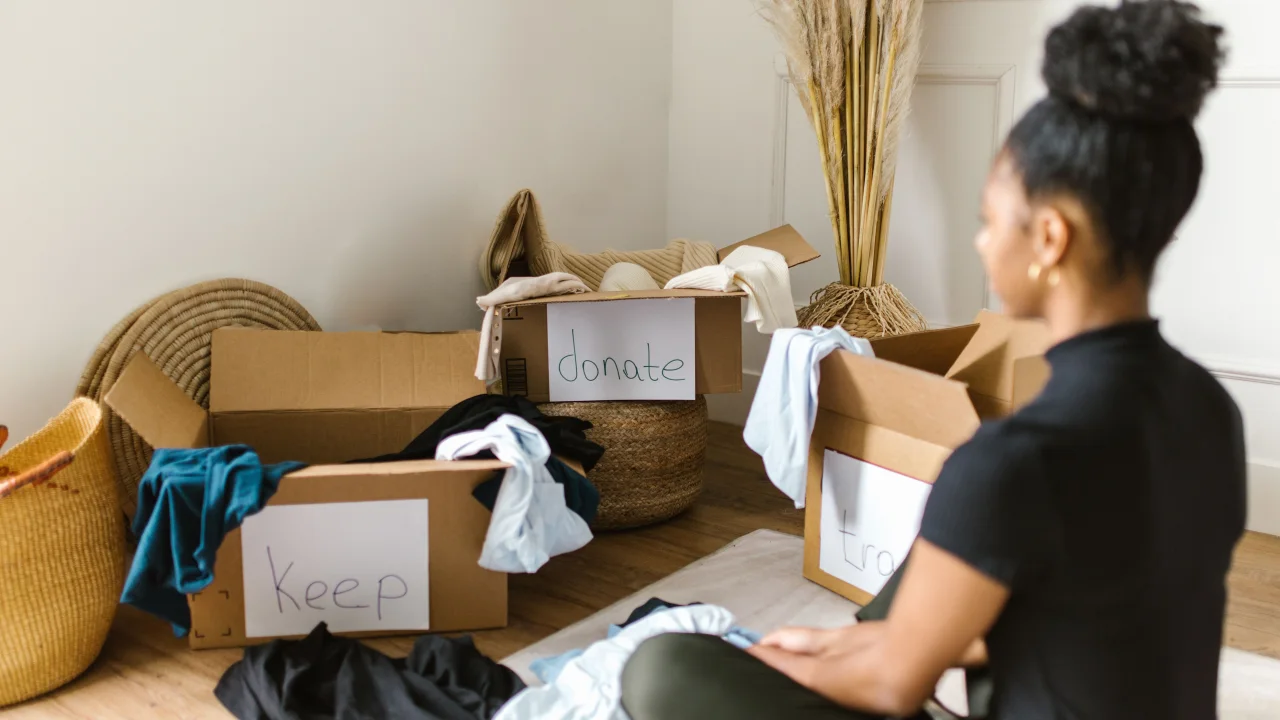
How to Curate a Capsule Wardrobe and Save Money on Clothes
The average person wears only 20% of their wardrobe 80% of the time. The rest sits unworn, taking up closet space and representing money that could have been saved. A capsule wardrobe solves this problem by paring down your clothing to a small set of versatile, high-quality pieces that all work together.
Comments
0 commentsNo approved comments are visible yet. New community replies may wait for moderation.