Cardio vs Weight Training: Which Is Better for Weight Loss?
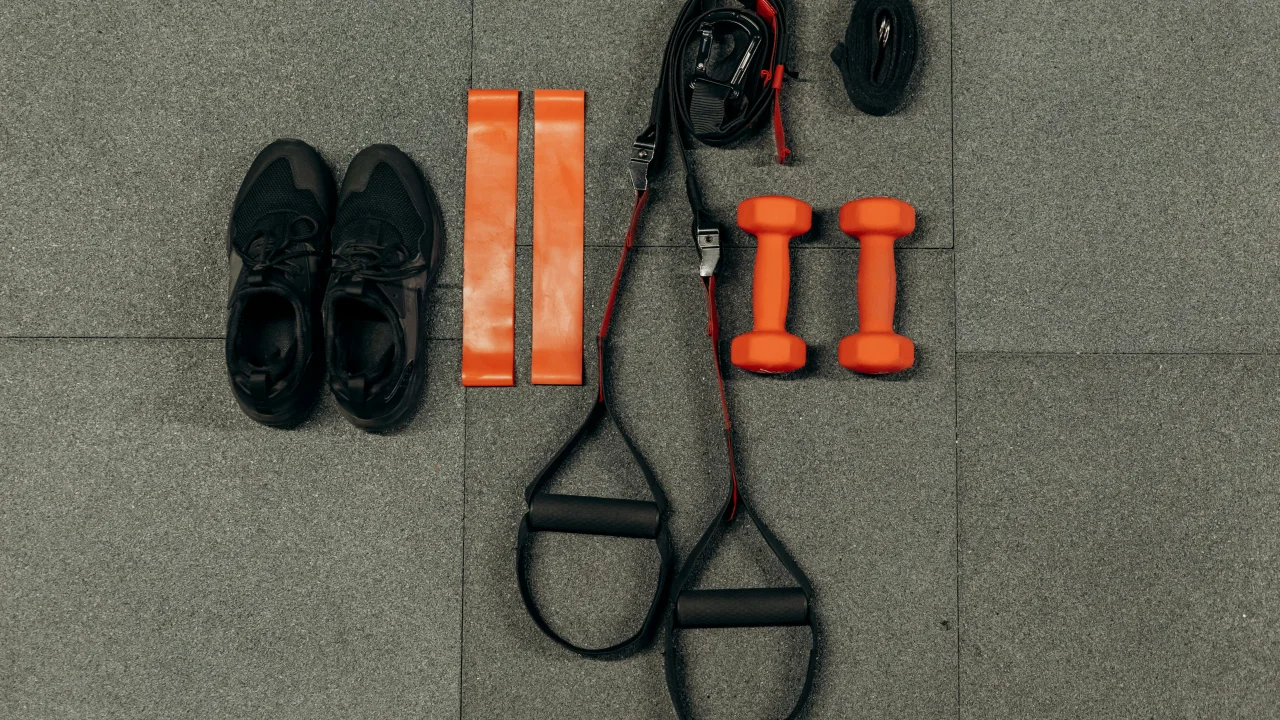
The debate between cardio and weight training for weight loss is one of the oldest in fitness. Cardio burns more calories *during* exercise. Weight training builds muscle, which burns more calories *at rest*. So which one should you choose?
Introduction
The debate between cardio and weight training for weight loss is one of the oldest in fitness. Cardio burns more calories during exercise. Weight training builds muscle, which burns more calories at rest. So which one should you choose?
The short answer: both. But understanding how each affects your body will help you design a program that maximizes results.
How Your Body Burns Calories
Your total daily energy expenditure (TDEE) consists of:
| Component | Percentage | Description |
|---|---|---|
| Basal metabolic rate (BMR) | 60–75% | Calories burned at rest |
| Thermic effect of food (TEF) | 10% | Calories burned digesting food |
| Physical activity (PA) | 15–30% | Calories burned during movement |
Weight training primarily increases BMR by adding muscle mass. Cardio primarily increases PA by burning calories during exercise.
Cardio: The Case for It
Calories Burned Per 30 Minutes
| Activity | 155 lb Person | 185 lb Person |
|---|---|---|
| Running (6 mph) | 350 | 420 |
| Cycling (moderate) | 250 | 300 |
| Swimming | 220 | 270 |
| Walking (3.5 mph) | 130 | 160 |
| Jumping rope | 370 | 445 |
Benefits of Cardio
- Burns more calories per minute than weight training
- Improves cardiovascular health and lung capacity
- Reduces blood pressure and improves cholesterol
- Lowers stress and improves mood (endorphin release)
- Accessible — requires minimal equipment
Limitations of Cardio
- Does not build significant muscle
- Excessive cardio can lead to muscle loss
- No afterburn effect (EPOC) compared to HIIT or weights
- May increase appetite in some people
- Risk of overuse injuries (shin splints, runner's knee)
Weight Training: The Case for It
Calories Burned Per 30 Minutes
| Activity | 155 lb Person | 185 lb Person |
|---|---|---|
| Circuit training (moderate) | 220 | 270 |
| Heavy lifting (low rest) | 180 | 220 |
| Bodyweight circuit | 200 | 250 |
| Powerlifting (long rests) | 130 | 160 |
The numbers look lower than cardio — but that is not the whole story.
The Afterburn Effect (EPOC)
Excess post-exercise oxygen consumption (EPOC) refers to the calories your body burns after exercise while recovering. Weight training, especially with heavy loads or short rest, produces a much larger EPOC than steady-state cardio.
| Exercise Type | EPOC Duration | Extra Calories Burned |
|---|---|---|
| Steady-state cardio | 1–2 hours | 20–40 |
| HIIT | 6–12 hours | 100–200 |
| Weight training | 12–24 hours | 100–300 |
| Heavy compound lifts | Up to 36 hours | 200–400 |
Benefits of Weight Training
- Increases BMR through muscle gain (1 lb of muscle burns ~6 calories/day at rest)
- Improves body composition — you look leaner even at the same weight
- Strengthens bones and connective tissue
- Improves insulin sensitivity
- Better long-term weight maintenance
Which Burns More Total Calories?
A 2012 study in the Journal of Strength and Conditioning Research compared steady-state cardio, HIIT, and weight training over 8 weeks:
| Group | Weight Lost | Fat Lost | Muscle Gained |
|---|---|---|---|
| Cardio only | 5 lb | 5 lb | 0 lb |
| Weights only | 4 lb | 6 lb | 2 lb gained |
| Cardio + weights | 7 lb | 8 lb | 1 lb gained |
The combination group lost the most weight and fat while preserving muscle.
Long-Term Considerations
Cardio Alone
- Initial weight loss slows as your body adapts
- You lose muscle along with fat
- Metabolism decreases with muscle loss
- Weight regain is more likely
Weight Training Alone
- Slower initial scale changes (muscle fills in)
- Better body composition changes
- Higher resting metabolism
- Weight maintenance is easier
How to Combine Them for Maximum Results
The Ideal Split
| Day | Workout |
|---|---|
| Monday | Weight training (upper body) |
| Tuesday | HIIT (20 minutes) + light walking |
| Wednesday | Weight training (lower body) |
| Thursday | Steady-state cardio (30–40 minutes) |
| Friday | Weight training (full body) |
| Saturday | Active recovery (walking, yoga) |
| Sunday | Rest |
Weekly Volume Guidelines
| Exercise Type | Beginner | Intermediate | Advanced |
|---|---|---|---|
| Cardio (minutes/week) | 60–90 | 90–150 | 150–200 |
| Weight training (sessions/week) | 2–3 | 3–4 | 4–5 |
Order of Exercise
If doing both in one session, do weight training first:
- Weight training (45–60 minutes) — requires energy and focus
- Cardio (20–30 minutes) — burns additional calories
This order ensures you have maximal energy for muscle-building work.
Sample Weekly Routine for Weight Loss
Monday: Full Body Weights + 20 min HIIT
| Exercise | Sets | Reps |
|---|---|---|
| Squats | 3 | 10 |
| Bench press | 3 | 10 |
| Bent-over rows | 3 | 10 |
| Overhead press | 3 | 10 |
| Deadlifts | 3 | 8 |
| HIIT: 30s sprint / 30s walk | 10 rounds | — |
Tuesday: 30 min Steady-State Cardio
- Incline walking, cycling, or jogging at moderate pace
Wednesday: Full Body Weights + Core
| Exercise | Sets | Reps |
|---|---|---|
| Lunges | 3 | 12 each |
| Pull-ups or lat pulldowns | 3 | 8–12 |
| Dumbbell shoulder press | 3 | 10 |
| Romanian deadlifts | 3 | 10 |
| Plank | 3 | 45 seconds |
Thursday: 40 min LISS Cardio
- Brisk walk, light jog, or elliptical
Friday: Full Body Weights + 15 min HIIT
Same as Monday with slightly different exercises.
Saturday: Active Recovery
- 20–30 minute walk
- Stretching or yoga
Sunday: Rest
Common Myths
Myth 1: "Weight training makes women bulky"
Women have 10–20 times less testosterone than men. Building significant muscle mass requires years of dedicated training and calorie surplus.
Myth 2: "You should only do cardio to lose weight"
Cardio alone causes muscle loss, which lowers metabolism and makes weight maintenance harder.
Myth 3: "Fat turns into muscle"
Fat and muscle are completely different tissues. You lose fat and gain muscle — one does not convert to the other.
Myth 4: "Long slow cardio is best for fat burning"
While a higher percentage of calories from low-intensity cardio come from fat, HIIT and weight training burn more total calories and more fat over 24 hours.
Conclusion
For weight loss, both cardio and weight training are essential.
- Use cardio for immediate calorie burn, heart health, and stress reduction
- Use weight training for metabolic increases, body composition improvements, and long-term weight maintenance
- Combine them for the best of both worlds
The winning formula: 3–4 days of weight training + 2–3 days of cardio (mix of HIIT and steady-state) + a moderate calorie deficit.
There is no need to choose one or the other. When used together strategically, cardio and weight training create a powerful synergy for fat loss and overall health.
Featured Articles

How to Stay Motivated When You Feel Like Giving Up
Motivation is not a constant. It ebbs and flows. Some days you wake up ready to conquer the world. Other days, getting out of bed feels like a win. The difference between people who succeed and those who give up is not that successful people never feel like quitting—it is that they have systems in place to keep going even when motivation is absent.

The Best Apps for Habit Tracking and Goal Setting
Building habits is hard. Tracking them makes it easier. Research from the American Psychological Association shows that monitoring your behavior increases self-awareness and improves follow-through. The right app can be the difference between a habit that sticks and one that fades after three days.

How to Curate a Capsule Wardrobe and Save Money on Clothes
The average person wears only 20% of their wardrobe 80% of the time. The rest sits unworn, taking up closet space and representing money that could have been saved. A capsule wardrobe solves this problem by paring down your clothing to a small set of versatile, high-quality pieces that all work together.
Comments
0 commentsNo approved comments are visible yet. New community replies may wait for moderation.