The Best Diet Plan for Managing Stress and Clear Skin
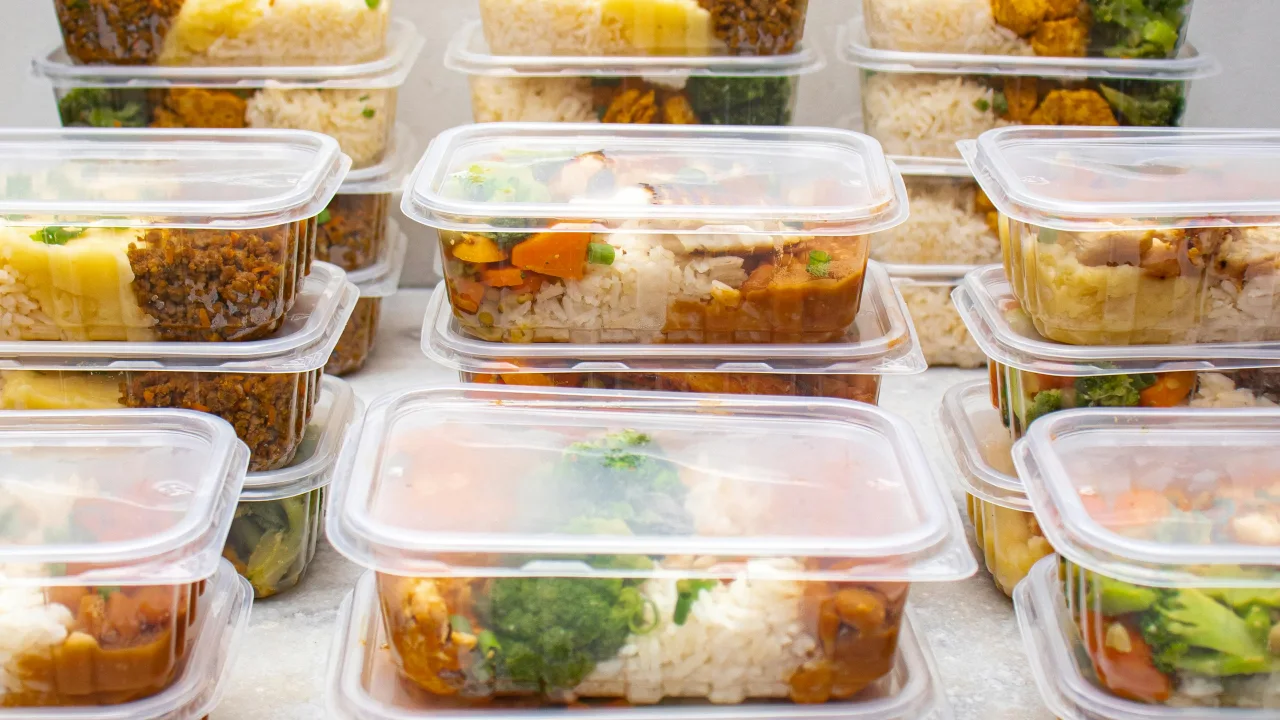
Your skin is a mirror of your internal health. When you are stressed, your body releases cortisol, which triggers inflammation, increases oil production, and breaks down collagen. The result: breakouts, dullness, redness, and premature aging.
Introduction
Your skin is a mirror of your internal health. When you are stressed, your body releases cortisol, which triggers inflammation, increases oil production, and breaks down collagen. The result: breakouts, dullness, redness, and premature aging.
The good news is that diet can counter these effects. Certain nutrients lower cortisol, reduce inflammation, and support skin repair. This guide provides a complete diet plan for managing stress and achieving clear, glowing skin.
The Stress-Skin Connection
How Stress Affects Your Skin
| Stress Effect | Skin Consequence |
|---|---|
| Cortisol increases | More sebum (oil) production = acne |
| Inflammation rises | Redness, eczema, psoriasis flare-ups |
| Collagen breaks down | Wrinkles, sagging, slower wound healing |
| Gut microbiome shifts | Breakouts, dullness, skin sensitivity |
| Sleep quality drops | Dark circles, pale complexion |
The Anti-Stress, Clear Skin Diet Principles
Principle 1: Stabilize Blood Sugar
Blood sugar spikes trigger insulin surges, which increase inflammation and oil production. Stable blood sugar means stable cortisol and clearer skin.
What to do:
- Eat protein with every meal
- Choose whole grains over refined
- Limit sugar and simple carbs
- Eat every 3–4 hours to avoid crashes
Principle 2: Eat Anti-Inflammatory Foods
Chronic inflammation drives both stress and skin problems. Fight it with:
- Omega-3 fatty acids
- Antioxidants (polyphenols, vitamin C, vitamin E)
- Fiber-rich foods
- Spices (turmeric, ginger)
Principle 3: Support Your Gut
The gut-skin axis is real. A healthy gut microbiome leads to less inflammation and clearer skin.
- Eat fermented foods (yogurt, kimchi, sauerkraut, kefir)
- Eat prebiotic fiber (garlic, onions, bananas, oats)
- Avoid artificial sweeteners
Principle 4: Hydrate
Dehydration increases cortisol and makes skin look dull and dry.
Foods to Eat
Stress-Lowering Foods
| Food | Active Compound | Effect |
|---|---|---|
| Fatty salmon | Omega-3s, vitamin D | Reduces cortisol, inflammation |
| Dark chocolate (70%+) | Flavonoids, magnesium | Lowers cortisol, improves mood |
| Chamomile tea | Apigenin | Calms nervous system |
| Avocado | B vitamins, healthy fats | Supports adrenal function |
| Blueberries | Antioxidants | Protects against oxidative stress |
| Oats | Complex carbs, fiber | Boosts serotonin production |
| Spinach | Magnesium | Relaxes muscles, reduces cortisol |
Skin-Clearing Foods
| Food | Nutrient | Skin Benefit |
|---|---|---|
| Sweet potatoes | Beta-carotene | Protects against UV damage |
| Walnuts | Omega-3s, zinc | Reduces acne inflammation |
| Green tea | EGCG (catechins) | Reduces oil production |
| Bell peppers | Vitamin C | Boosts collagen production |
| Eggs | Biotin, protein | Strengthens hair, skin, nails |
| Pumpkin seeds | Zinc | Reduces acne-causing bacteria |
| Tomatoes | Lycopene | Protects against sun damage |
Foods to Avoid
| Food | Why It Hurts |
|---|---|
| Sugar and high-fructose corn syrup | Spikes insulin, causes glycation (collagen damage) |
| Dairy (for some people) | May trigger acne in sensitive individuals |
| Refined carbs (white bread, pasta) | Spikes blood sugar and inflammation |
| Trans fats and fried foods | Increases systemic inflammation |
| Excess caffeine | Elevates cortisol, dehydrates skin |
| Alcohol | Dehydrates, disrupts sleep, stresses liver |
| Artificial sweeteners | May disrupt gut microbiome |
The 7-Day Stress Relief + Clear Skin Meal Plan
Day 1
| Meal | Foods |
|---|---|
| Breakfast | Oatmeal with blueberries, walnuts, cinnamon |
| Lunch | Salmon salad (mixed greens, avocado, cherry tomatoes, olive oil) |
| Snack | Dark chocolate (2 squares) + chamomile tea |
| Dinner | Grilled chicken, roasted sweet potatoes, steamed spinach |
Day 2
| Meal | Foods |
|---|---|
| Breakfast | Green smoothie (spinach, banana, almond milk, chia seeds) |
| Lunch | Quinoa bowl with chickpeas, bell peppers, cucumber, tahini |
| Snack | Apple + almond butter |
| Dinner | Baked cod, asparagus, brown rice |
Day 3
| Meal | Foods |
|---|---|
| Breakfast | 2 boiled eggs + 1 slice whole grain toast + half avocado |
| Lunch | Turkey and vegetable stir-fry (broccoli, carrots, snap peas) |
| Snack | Greek yogurt + pumpkin seeds |
| Dinner | Lentil soup + side salad with lemon dressing |
Day 4
| Meal | Foods |
|---|---|
| Breakfast | Smoothie bowl (frozen berries, spinach, protein powder, granola) |
| Lunch | Tuna salad wrap (whole wheat tortilla, mixed greens, cucumber) |
| Snack | Handful of almonds + orange |
| Dinner | Grass-fed beef stir-fry with bell peppers and ginger |
Day 5
| Meal | Foods |
|---|---|
| Breakfast | Overnight oats (oats, chia seeds, almond milk, berries) |
| Lunch | Mediterranean bowl (hummus, grilled chicken, roasted vegetables) |
| Snack | Carrot sticks + guacamole |
| Dinner | Baked salmon + roasted broccoli + sweet potato |
Day 6
| Meal | Foods |
|---|---|
| Breakfast | Scrambled eggs with spinach and tomato |
| Lunch | Black bean soup + side of sautéed kale |
| Snack | Pear + string cheese |
| Dinner | Shrimp and vegetable kebabs + quinoa |
Day 7
| Meal | Foods |
|---|---|
| Breakfast | Buckwheat pancakes with berries (no syrup) |
| Lunch | Leftovers or big salad with chickpeas, avocado, seeds |
| Snack | Rice cakes with peanut butter |
| Dinner | Roasted vegetable and tofu bowl with turmeric dressing |
Supplements That Help
| Supplement | Dose | Benefit |
|---|---|---|
| Omega-3 (fish oil) | 1,000–2,000 mg EPA/DHA | Reduces inflammation |
| Zinc picolinate | 15–30 mg | Reduces acne, supports immunity |
| Vitamin D3 | 1,000–2,000 IU | Supports mood, immune function |
| Magnesium glycinate | 200–400 mg | Reduces cortisol, improves sleep |
| Probiotic | 10–50 billion CFU | Supports gut-skin axis |
Always consult a doctor before starting new supplements.
Lifestyle Habits That Amplify Results
1. Sleep 7–9 Hours
Poor sleep raises cortisol and increases skin inflammation.
2. Exercise Moderately
Vigorous exercise can temporarily spike cortisol, but moderate activity (walking, yoga, strength training) lowers it long-term.
3. Practice Stress Management
- 10 minutes of meditation daily
- Deep breathing (4-7-8 technique)
- Journaling before bed
4. Establish a Skincare Routine
| Time | Routine |
|---|---|
| Morning | Gentle cleanser → Vitamin C serum → Moisturizer → SPF 30+ |
| Evening | Oil cleanser → Gentle cleanser → Retinol (2–3x/week) → Moisturizer |
Sample Shopping List
Produce
- Spinach, kale, arugula
- Sweet potatoes, broccoli, bell peppers
- Avocados, lemons, garlic, ginger
- Blueberries, apples, bananas, oranges
Protein
- Wild salmon, cod, shrimp
- Chicken breast, grass-fed beef, turkey
- Eggs
- Canned tuna, sardines
Pantry
- Oats, quinoa, brown rice
- Lentils, chickpeas, black beans
- Almonds, walnuts, pumpkin seeds, chia seeds
- Olive oil, coconut oil, tahini
- Green tea, chamomile tea
Measuring Progress
Track these metrics weekly:
| Metric | Week 1 | Week 2 | Week 3 | Week 4 |
|---|---|---|---|---|
| Breakout frequency | ||||
| Stress level (1–10) | ||||
| Sleep quality (1–10) | ||||
| Skin hydration | ||||
| Energy level (1–10) |
Conclusion
Stress and skin health are deeply connected. By eating an anti-inflammatory, nutrient-dense diet, you can lower cortisol, reduce breakouts, and support your body's natural healing processes.
The meal plan above is a template. Adjust portion sizes to your needs, swap proteins and vegetables based on preference, and listen to your body's response.
Combine good nutrition with quality sleep, moderate exercise, and stress management for the best results. Clear skin comes from the inside out.
Featured Articles

How to Stay Motivated When You Feel Like Giving Up
Motivation is not a constant. It ebbs and flows. Some days you wake up ready to conquer the world. Other days, getting out of bed feels like a win. The difference between people who succeed and those who give up is not that successful people never feel like quitting—it is that they have systems in place to keep going even when motivation is absent.
The Best Apps for Habit Tracking and Goal Setting
Building habits is hard. Tracking them makes it easier. Research from the American Psychological Association shows that monitoring your behavior increases self-awareness and improves follow-through. The right app can be the difference between a habit that sticks and one that fades after three days.
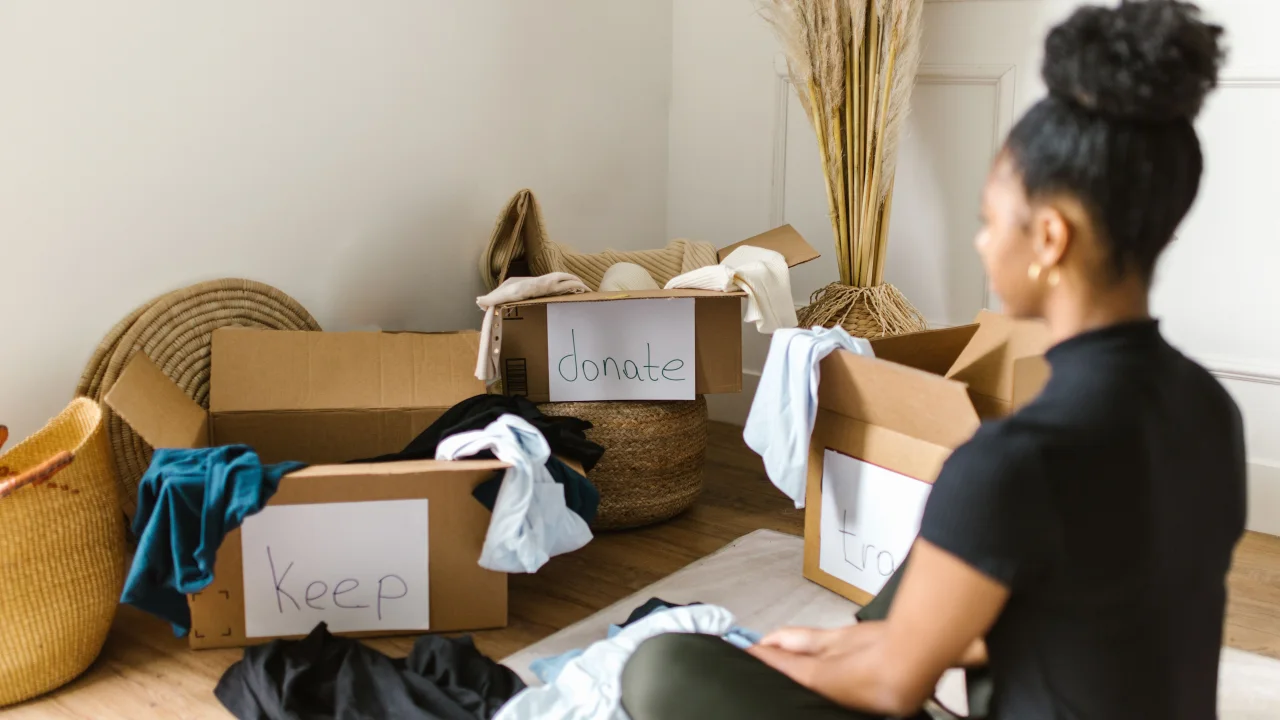
How to Curate a Capsule Wardrobe and Save Money on Clothes
The average person wears only 20% of their wardrobe 80% of the time. The rest sits unworn, taking up closet space and representing money that could have been saved. A capsule wardrobe solves this problem by paring down your clothing to a small set of versatile, high-quality pieces that all work together.
Comments
0 commentsNo approved comments are visible yet. New community replies may wait for moderation.