How to Start Running When You Are Completely Out of Shape

Running seems simple: put one foot in front of the other, go faster than walking. But for someone who is out of shape, overweight, or has never run before, the reality is different. You might feel breathless after 30 seconds. Your shins might hurt. You might feel embarrassed.
Introduction
Running seems simple: put one foot in front of the other, go faster than walking. But for someone who is out of shape, overweight, or has never run before, the reality is different. You might feel breathless after 30 seconds. Your shins might hurt. You might feel embarrassed.
Here is the truth: every runner started exactly where you are. Running is a skill that you build gradually. This guide provides a step-by-step plan for going from couch to running 30 minutes nonstop — safely and sustainably.
Before You Start
Check with Your Doctor
If you have any of the following, get medical clearance before starting:
- Heart conditions
- Joint problems (knees, hips, ankles)
- High blood pressure
- Diabetes
- BMI over 30
- Over 40 and sedentary for years
Get the Right Gear
| Item | Importance | Recommendation |
|---|---|---|
| Running shoes | Essential | Visit a running store for a gait analysis. Budget $80–$130. |
| Moisture-wicking socks | Important | Avoid cotton — causes blisters |
| Sports bra (women) | Essential | High-support, properly fitted |
| Breathable clothing | Helpful | Synthetic or merino wool |
| Reflective gear | Safety | If running in low light |
The Couch to 30-Minute Run Plan
This is a 10-week plan. Each week has 3 sessions. Do not skip weeks. Do not rush ahead.
Week 1: Building Confidence
| Session | Activity | Total Time |
|---|---|---|
| 1 | Walk 10 min, jog 30 sec, walk 90 sec. Repeat 6 times. | 22 min |
| 2 | Same as Session 1 | 22 min |
| 3 | Walk 10 min, jog 45 sec, walk 75 sec. Repeat 6 times. | 22 min |
Week 2: Slightly Longer Jogs
| Session | Activity | Total Time |
|---|---|---|
| 1 | Jog 1 min, walk 2 min. Repeat 7 times. | 21 min |
| 2 | Jog 1 min, walk 2 min. Repeat 8 times. | 24 min |
| 3 | Jog 1 min 30 sec, walk 2 min. Repeat 6 times. | 21 min |
Week 3: Finding a Rhythm
| Session | Activity | Total Time |
|---|---|---|
| 1 | Jog 2 min, walk 2 min. Repeat 6 times. | 24 min |
| 2 | Jog 2 min, walk 1 min 30 sec. Repeat 6 times. | 21 min |
| 3 | Jog 3 min, walk 2 min. Repeat 5 times. | 25 min |
Week 4: Building Endurance
| Session | Activity | Total Time |
|---|---|---|
| 1 | Jog 4 min, walk 2 min. Repeat 4 times. | 24 min |
| 2 | Jog 5 min, walk 2 min. Repeat 3 times. | 21 min |
| 3 | Jog 6 min, walk 2 min. Repeat 3 times. | 24 min |
Week 5: The Midpoint
| Session | Activity | Total Time |
|---|---|---|
| 1 | Jog 8 min, walk 2 min. Repeat 3 times. | 30 min |
| 2 | Jog 10 min, walk 2 min. Repeat 2 times. | 24 min |
| 3 | Jog 12 min, walk 2 min. Repeat 2 times. | 28 min |
Week 6: Approaching 20 Minutes
| Session | Activity | Total Time |
|---|---|---|
| 1 | Jog 15 min, walk 2 min, jog 5 min | 22 min |
| 2 | Jog 18 min, walk 2 min, jog 5 min | 25 min |
| 3 | Jog 20 min nonstop | 20 min |
Week 7: Consolidating 20 Minutes
| Session | Activity | Total Time |
|---|---|---|
| 1 | Jog 20 min, walk 3 min, jog 5 min | 28 min |
| 2 | Jog 22 min nonstop | 22 min |
| 3 | Jog 22 min nonstop | 22 min |
Week 8: Building Further
| Session | Activity | Total Time |
|---|---|---|
| 1 | Jog 24 min nonstop | 24 min |
| 2 | Jog 24 min nonstop | 24 min |
| 3 | Jog 26 min nonstop | 26 min |
Week 9: Almost There
| Session | Activity | Total Time |
|---|---|---|
| 1 | Jog 26 min nonstop | 26 min |
| 2 | Jog 28 min nonstop | 28 min |
| 3 | Jog 28 min nonstop | 28 min |
Week 10: 30 Minutes Nonstop
| Session | Activity | Total Time |
|---|---|---|
| 1 | Jog 28 min nonstop | 28 min |
| 2 | Jog 30 min nonstop | 30 min |
| 3 | Jog 30 min nonstop | 30 min |
Congratulations. You just ran for 30 minutes without stopping.
Form and Technique
Proper Running Form
| Body Part | Correct Position |
|---|---|
| Head | Eyes forward, chin neutral |
| Shoulders | Relaxed, down and back |
| Arms | 90-degree angle, swing forward-back (not across body) |
| Torso | Slightly forward lean (from ankles, not waist) |
| Hips | Level, driving forward |
| Feet | Midfoot strike under your body (not heel striking) |
Breathing
- Breathe in a rhythm: inhale for 3 steps, exhale for 2 steps
- Breathe from your belly (diaphragm), not your chest
- If you cannot hold a conversation, you are going too fast
Common Beginner Problems
Side Stitches
Cause: Shallow breathing, eating too close to running
Solution: Slow down, breathe deeply, exhale when the opposite foot strikes the ground. Press on the stitch and bend forward slightly.
Shin Splints
Cause: Increasing mileage too fast, worn shoes, heel striking
Solution: Ice after runs, stretch calves, strengthen shins (toe taps), check your shoes
Sore Knees
Cause: Weak glutes and hips, poor running form
Solution: Strengthen glutes (bridges, squats, lunges) and check your stride — do not overstride
Being Out of Breath
Cause: Starting too fast
Solution: Slow down. Run at a "conversational pace" — you should be able to speak in full sentences.
The 10% Rule
Do not increase your total weekly running distance by more than 10% per week.
Example:
- Week 1 total: 6 miles (3 runs of 2 miles)
- Week 2 total: 6.6 miles (10% increase)
This rule prevents overuse injuries.
Warm-Up and Cool Down
Pre-Run Warm-Up (5 minutes)
Do not stretch cold muscles. Instead, do dynamic movements:
| Exercise | Duration |
|---|---|
| Leg swings (forward/back) | 30 seconds each leg |
| Leg swings (side to side) | 30 seconds each leg |
| Walking lunges | 10 each leg |
| High knees (easy) | 30 seconds |
| Butt kicks | 30 seconds |
Post-Run Cool Down (5 minutes)
Static stretching after running when muscles are warm:
| Stretch | Duration | Target |
|---|---|---|
| Standing quad stretch | 30 sec each | Quadriceps |
| Standing calf stretch | 30 sec each | Calves |
| Hamstring stretch | 30 sec each | Hamstrings |
| Hip flexor stretch | 30 sec each | Hip flexors |
Nutrition and Hydration
Before Running
- Eat a light snack 60–90 minutes before: banana, toast with peanut butter, or half a granola bar
- Drink 8–16 oz of water
- Avoid heavy, fatty, or high-fiber foods
After Running
- Eat within 2 hours: protein + carbs (e.g., chocolate milk, yogurt with fruit, turkey sandwich)
- Rehydrate with water or electrolyte drink
Daily Hydration
Drink half your body weight (in pounds) in ounces of water per day.
| Body Weight | Daily Water Target |
|---|---|
| 150 lb | 75 oz (~9 cups) |
| 180 lb | 90 oz (~11 cups) |
| 220 lb | 110 oz (~14 cups) |
Tracking Progress
| Week | How It Felt (1–10) | Best Session | Notes |
|---|---|---|---|
| 1 | |||
| 2 | |||
| 3 | |||
| 4 | |||
| 5 | |||
| 6 | |||
| 7 | |||
| 8 | |||
| 9 | |||
| 10 |
Staying Motivated
1. Make It Easy
- Lay out your running clothes the night before
- Run first thing in the morning before excuses pile up
2. Track Your Runs
Use an app like Strava, Nike Run Club, or MapMyRun. Seeing progress is motivating.
3. Find a Buddy
You are far less likely to skip a run if someone is waiting for you.
4. Try "Run Commuting"
If possible, run to or from work. Combine transportation with exercise.
5. Be Kind to Yourself
Some runs will feel terrible. That is normal. The only bad run is the one you did not do.
Conclusion
Starting running when you are out of shape is hard — but it is also simple. You do not need speed. You do not need distance. You just need consistency.
Follow the 10-week plan above. Go slow. Walk when you need to. Celebrate every small win. In 10 weeks, you will be running for 30 minutes without stopping — something that might feel impossible right now.
Every runner was once a beginner. Your only job is to start.
Featured Articles

How to Stay Motivated When You Feel Like Giving Up
Motivation is not a constant. It ebbs and flows. Some days you wake up ready to conquer the world. Other days, getting out of bed feels like a win. The difference between people who succeed and those who give up is not that successful people never feel like quitting—it is that they have systems in place to keep going even when motivation is absent.

The Best Apps for Habit Tracking and Goal Setting
Building habits is hard. Tracking them makes it easier. Research from the American Psychological Association shows that monitoring your behavior increases self-awareness and improves follow-through. The right app can be the difference between a habit that sticks and one that fades after three days.
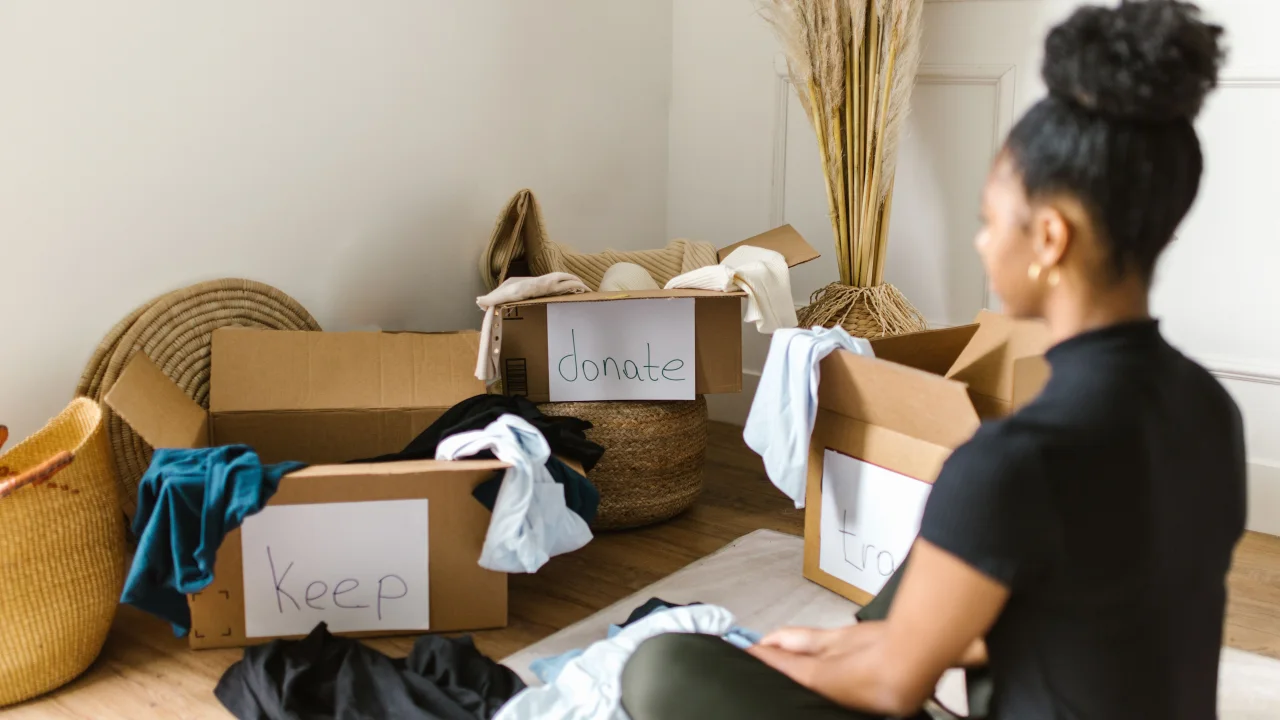
How to Curate a Capsule Wardrobe and Save Money on Clothes
The average person wears only 20% of their wardrobe 80% of the time. The rest sits unworn, taking up closet space and representing money that could have been saved. A capsule wardrobe solves this problem by paring down your clothing to a small set of versatile, high-quality pieces that all work together.
Comments
0 commentsNo approved comments are visible yet. New community replies may wait for moderation.