What to Eat Before and After a Workout for Optimal Muscle Growth
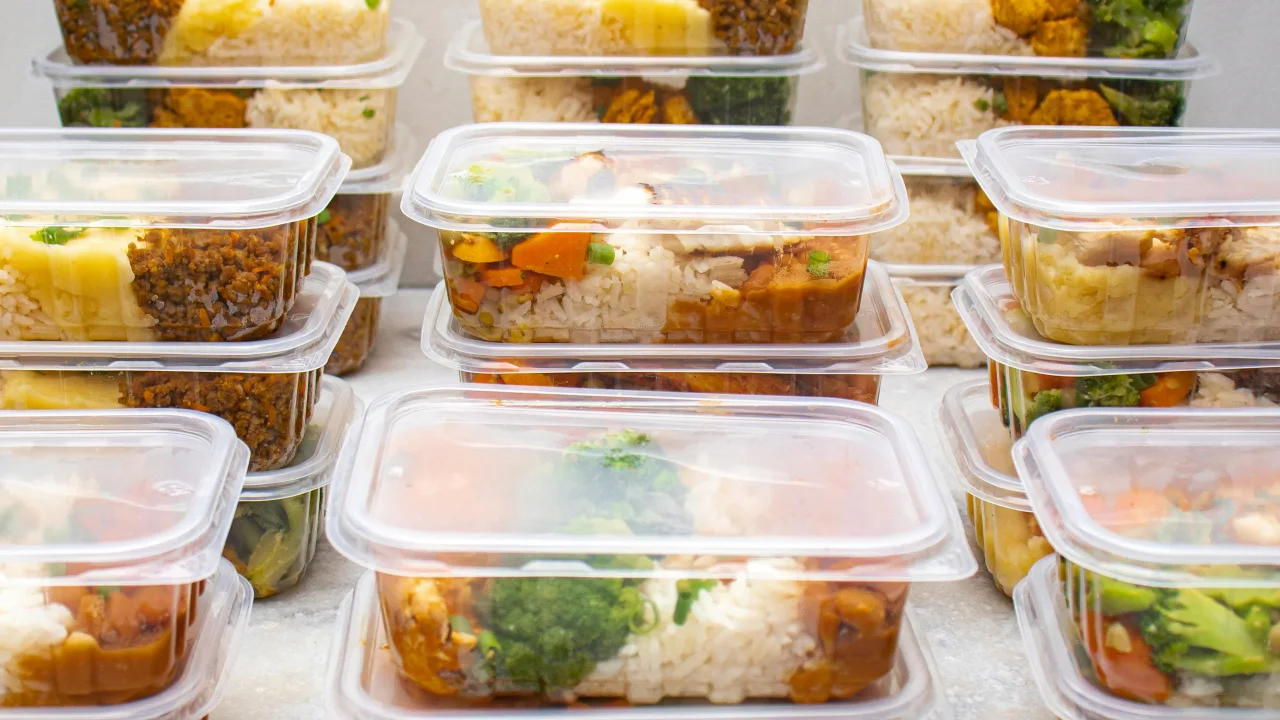
Muscle growth doesn't happen in the gym — it happens in the kitchen. What you eat before and after exercise directly affects your energy, performance, recovery, and muscle protein synthesis.
Introduction
Muscle growth doesn't happen in the gym — it happens in the kitchen. What you eat before and after exercise directly affects your energy, performance, recovery, and muscle protein synthesis.
This guide breaks down the science of pre- and post-workout nutrition with exact timing, portion sizes, and meal examples.
The Science of Muscle Growth
Muscle protein synthesis (MPS) is the process of repairing and building muscle tissue. Exercise, especially resistance training, stimulates MPS. Eating protein provides the amino acids needed for that repair.
Key principle: You need a positive net protein balance — more protein synthesis than breakdown. This is achieved by:
- Consuming enough total daily protein (0.7–1.0 g per lb of body weight)
- Timing protein intake around workouts (pre and post)
- Including carbohydrates to fuel performance and replenish glycogen
Pre-Workout Nutrition: Fuel for Performance
Why Eat Before a Workout?
- Provides energy for high-intensity performance
- Prevents muscle breakdown during exercise
- Improves focus and mental clarity
- Reduces perceived exertion
The Ideal Pre-Workout Meal
Timing: Eat 60–90 minutes before exercise.
Macronutrient ratio: Moderate carbs, moderate protein, low fat, low fiber.
| Component | Purpose | Examples |
|---|---|---|
| Carbohydrates (30–50 g) | Quick energy | Banana, oats, rice cakes |
| Protein (15–25 g) | Amino acid availability | Whey shake, Greek yogurt |
| Fat (< 10 g) | Slow digestion — keep low | Avoid heavy fats |
| Fiber (< 5 g) | Prevent bloating | Avoid high-fiber foods |
Pre-Workout Meal Examples
Meal 1 (60 min before):
- 1 banana
- 1 scoop whey protein + water
- 1 rice cake with jam
Meal 2 (90 min before):
- 1/2 cup oatmeal
- 1/2 cup berries
- 1 tbsp peanut butter
- 1 hard-boiled egg
Meal 3 (Quick option, 30 min before):
- 1 apple
- 1 cup chocolate milk (plant-based or dairy)
What to Avoid Pre-Workout
| Food | Why |
|---|---|
| Fried or fatty foods | Slow digestion, nausea |
| Beans or lentils | Fiber causes bloating |
| Large meals (> 600 cal) | Diverts blood to digestion |
| Sugary drinks alone | Energy crash mid-workout |
Intra-Workout Nutrition: During Exercise
For workouts under 60 minutes, water is sufficient. For sessions over 60 minutes or in extreme heat, consider:
- Electrolytes: Sodium, potassium, magnesium
- Carbohydrates: 30–60 g per hour for endurance athletes
- BCAAs: Generally unnecessary if you ate pre-workout
What to drink during a standard workout:
- 16–24 oz water per hour
- Add electrolyte powder if sweating heavily
Post-Workout Nutrition: Recovery and Growth
The Anabolic Window
The "anabolic window" is real but wider than believed. You have 2–4 hours after exercise to optimize recovery, though the first 60 minutes are ideal.
Why Post-Workout Nutrition Matters
- Replenishes muscle glycogen
- Provides amino acids for muscle repair
- Reduces muscle soreness
- Stimulates muscle protein synthesis
The Ideal Post-Workout Meal
Timing: Within 2 hours of finishing.
Macronutrient ratio: Moderate carbs, high protein, low fat.
| Component | Amount | Purpose |
|---|---|---|
| Protein | 25–40 g | Maximize MPS |
| Carbohydrates | 30–60 g | Replenish glycogen |
| Fat | < 15 g | Keep low for faster absorption |
Post-Workout Meal Examples
Meal 1 (Shake — Immediate):
- 2 scoops whey protein
- 1 banana
- 12 oz water or milk
Meal 2 (Whole food — within 1 hour):
- 6 oz grilled chicken breast
- 1 cup brown rice
- 1 cup steamed broccoli
Meal 3 (Plant-based):
- 1 cup cooked quinoa
- 1 can chickpeas (drained)
- Mixed vegetables
- Tahini dressing
Meal 4 (Quick option):
- 2 hard-boiled eggs
- 1 apple
- 1 cup Greek yogurt
Nutrient Timing Summary Table
| Phase | Timing | Carbs | Protein | Fat | Hydration |
|---|---|---|---|---|---|
| Pre-workout | 60–90 min before | 30–50 g | 15–25 g | Low | 16 oz water |
| Intra-workout | During | 0–30 g (if > 1 hr) | 0 | 0 | 16–24 oz water |
| Post-workout | Within 2 hr | 30–60 g | 25–40 g | Low | 16–24 oz water |
Sample Full Day for Muscle Growth
| Meal | Food | Protein | Carbs | Calories |
|---|---|---|---|---|
| Breakfast | 4 eggs, 2 slices whole wheat toast, 1 cup berries | 30 g | 50 g | 450 |
| Pre-workout snack | Banana + 1 scoop whey | 25 g | 35 g | 240 |
| Post-workout meal | 8 oz salmon, 1.5 cups sweet potato, asparagus | 45 g | 60 g | 650 |
| Dinner | 7 oz lean beef, quinoa, mixed vegetables | 40 g | 50 g | 550 |
| Evening snack | 1 cup Greek yogurt + almonds | 25 g | 15 g | 300 |
| Total | 165 g | 210 g | 2,190 |
Common Mistakes
1. Eating Too Close to a Workout
Eating 15 minutes before exercise causes cramping and sluggishness. Allow 60–90 minutes.
2. Not Eating After a Workout
Skipping post-workout nutrition slows recovery and increases muscle soreness.
3. Over-Relying on Supplements
Whole foods provide nutrients that supplements cannot replicate.
4. Ignoring Hydration
Even 2% dehydration reduces performance by 10–15%.
5. Eating Too Much Fat Post-Workout
Fat slows absorption of protein and carbs. Keep post-workout meals lean.
Supplements That Help
| Supplement | When | Dosage | Evidence |
|---|---|---|---|
| Whey protein | Post-workout | 25–40 g | Strong |
| Creatine monohydrate | Any time | 3–5 g daily | Strong |
| Caffeine | Pre-workout | 200–400 mg | Moderate |
| Beta-alanine | Pre-workout | 3–6 g daily | Moderate |
Conclusion
You don't need a complicated meal plan. Focus on these three rules:
- Pre-workout: Eat carbs + protein 60–90 minutes before
- Post-workout: Eat protein + carbs within 2 hours after
- Total daily protein: Hit 0.7–1.0 g per lb of body weight
Master these, and your workouts will produce visible results.
Featured Articles

How to Stay Motivated When You Feel Like Giving Up
Motivation is not a constant. It ebbs and flows. Some days you wake up ready to conquer the world. Other days, getting out of bed feels like a win. The difference between people who succeed and those who give up is not that successful people never feel like quitting—it is that they have systems in place to keep going even when motivation is absent.

The Best Apps for Habit Tracking and Goal Setting
Building habits is hard. Tracking them makes it easier. Research from the American Psychological Association shows that monitoring your behavior increases self-awareness and improves follow-through. The right app can be the difference between a habit that sticks and one that fades after three days.

How to Curate a Capsule Wardrobe and Save Money on Clothes
The average person wears only 20% of their wardrobe 80% of the time. The rest sits unworn, taking up closet space and representing money that could have been saved. A capsule wardrobe solves this problem by paring down your clothing to a small set of versatile, high-quality pieces that all work together.
Comments
0 commentsNo approved comments are visible yet. New community replies may wait for moderation.