How to Improve Your Sleep Quality: 9 Habits for Better Rest

Sleep is not passive. It is an active, essential biological process that affects nearly every system in your body — your brain, heart, immune system, metabolism, and mood. Yet one in three adults does not get enough sleep.
Introduction
Sleep is not passive. It is an active, essential biological process that affects nearly every system in your body — your brain, heart, immune system, metabolism, and mood. Yet one in three adults does not get enough sleep.
The problem is not just quantity — it is quality. You can spend 8 hours in bed and still wake up exhausted. This guide covers 9 evidence-based habits that will improve your sleep quality starting tonight.
Why Sleep Quality Matters
Poor sleep quality is linked to:
- Increased risk of heart disease and stroke
- Impaired cognitive function and memory
- Weakened immune response
- Weight gain and metabolic dysfunction
- Higher rates of anxiety and depression
What Defines Quality Sleep?
| Factor | Good | Poor |
|---|---|---|
| Time to fall asleep | < 30 minutes | > 45 minutes |
| Night wakings | 0–1 per night | 3+ per night |
| Time awake after sleep onset | < 20 minutes | > 40 minutes |
| Feeling upon waking | Rested | Exhausted |
Habit 1: Maintain a Consistent Sleep Schedule
Go to bed and wake up at the same time every day — including weekends. Your body's circadian rhythm runs on a roughly 24-hour cycle. Inconsistency confuses it.
How to implement:
- Pick a bedtime and wake time you can stick with 95% of the time
- Use an alarm for both waking up AND going to bed
- If you must shift your schedule, do it gradually (15 minutes per day)
Bedtime calculator: If you need to wake at 6:30 AM and require 8 hours of sleep, you need to be asleep by 10:30 PM. Account for 15–30 minutes to fall asleep, so lights out at 10:00 PM.
Habit 2: Get Morning Sunlight
Exposure to natural light in the morning sets your circadian clock for the day. It suppresses melatonin (sleep hormone) and boosts cortisol (wakefulness hormone) at the right time.
How to implement:
- Get 10–30 minutes of outdoor light within 60 minutes of waking
- Do not wear sunglasses during this time
- On cloudy days, extend to 20–30 minutes
- If you wake before sunrise, use a bright light lamp (10,000 lux)
Habit 3: Limit Blue Light Before Bed
Blue light from phones, tablets, computers, and TVs suppresses melatonin production. The effect is strongest in the 2–3 hours before bed.
How to implement:
| Action | How |
|---|---|
| No screens 60 minutes before bed | Read a physical book, journal, or listen to audio |
| Use blue light blocking glasses | Wear them 2 hours before bed |
| Enable night mode | Set all devices to warm/night setting |
| Dim household lights | Use low-wattage lamps instead of overhead lights |
Habit 4: Keep Your Bedroom Cool and Dark
Your core body temperature drops naturally before sleep. A cool room helps this process.
Optimal sleep environment:
| Factor | Ideal Range |
|---|---|
| Temperature | 65–68°F (18–20°C) |
| Light | Complete darkness |
| Noise | < 30 dB (use white noise if needed) |
| Humidity | 40–60% |
Tools to use:
- Blackout curtains
- Sleep mask
- White noise machine or fan
- Breathable cotton or bamboo sheets
Habit 5: Avoid Caffeine Later in the Day
Caffeine has a half-life of 5–6 hours. That means if you drink coffee at 4 PM, half of the caffeine is still in your system at 10 PM.
Caffeine cutoff times:
| Wake Time | Last Caffeine |
|---|---|
| 6:00 AM | 12:00 PM (noon) |
| 7:00 AM | 1:00 PM |
| 8:00 AM | 2:00 PM |
Hidden sources of caffeine:
- Dark chocolate
- Green and black tea
- Some sodas
- Pre-workout supplements
- Some medications (headache pills)
Habit 6: Limit Alcohol — Especially Close to Bed
Alcohol may make you feel sleepy initially, but it fragments sleep in the second half of the night. It reduces REM sleep and increases night wakings.
How alcohol affects sleep:
| Drinks | Effect on Sleep |
|---|---|
| 0 drinks | Normal sleep architecture |
| 1 drink | Slight reduction in REM |
| 2 drinks | Significant REM suppression |
| 3+ drinks | Severely fragmented sleep |
Guideline: Stop drinking alcohol at least 3 hours before bed. Limit to 1 drink if consuming.
Habit 7: Create a Wind-Down Routine
Sleep is not a light switch — it is a dimmer. You need 30–60 minutes of low-stimulation activity before bed.
Sample wind-down routine:
| Time | Activity |
|---|---|
| 9:00 PM | Dim lights, put away phone |
| 9:15 PM | Tidy bedroom (reduces mental clutter) |
| 9:30 PM | Hot shower or bath (drop in temp after promotes sleep) |
| 9:50 PM | Read a physical book (fiction, not work-related) |
| 10:00 PM | Lights out |
Habit 8: Use Your Bed Only for Sleep
Your brain associates your bed with whatever you do there. If you work, eat, watch TV, or scroll on your phone in bed, your brain learns to stay alert in bed.
The rule: Bed is for sleep and intimacy only.
How to implement:
- Do not work in bed — ever
- Remove TVs from the bedroom
- If you cannot sleep after 20 minutes, get up and do something boring (read in dim light), then return to bed when sleepy
Habit 9: Manage Stress Before Bed
Racing thoughts are the number one reason people cannot fall asleep. Stress activates your sympathetic nervous system, keeping you alert.
Stress-reduction techniques for bedtime:
| Technique | How to Do It | Time Needed |
|---|---|---|
| 4-7-8 breathing | Inhale 4 sec, hold 7 sec, exhale 8 sec | 2 minutes |
| Body scan | Focus on each body part from toes to head | 5 minutes |
| Journaling | Write down worries and to-do items | 5–10 minutes |
| Gratitude list | Write 3 things you are grateful for | 2 minutes |
| Progressive relaxation | Tense and release each muscle group | 10 minutes |
Sleep Quality Checklist
Use this nightly checklist for 21 days to build the habit:
- I went to bed at my target time
- I woke at my target time
- I got morning sunlight
- I stopped caffeine by noon
- I exercised today
- I avoided alcohol within 3 hours of bed
- I spent 60 minutes screen-free before bed
- My bedroom is cool (65–68°F) and dark
- I used a wind-down routine
- I feel rested or improving
When to See a Doctor
If you have tried these habits for 4–6 weeks with no improvement, consider a medical evaluation. See a doctor if you experience:
- Loud snoring with gasping (possible sleep apnea)
- Difficulty staying awake during the day (possible narcolepsy)
- Uncontrollable urge to move legs at night (possible restless leg syndrome)
- Consistently sleeping 9+ hours and still tired
Conclusion
Sleep quality is not a luxury — it is a necessity. You do not need to implement all 9 habits at once. Pick 2–3 that resonate with you and practice them for 2 weeks. Add more as each becomes automatic.
Better sleep leads to better health, better focus, and a better life. Start tonight.
Featured Articles

How to Stay Motivated When You Feel Like Giving Up
Motivation is not a constant. It ebbs and flows. Some days you wake up ready to conquer the world. Other days, getting out of bed feels like a win. The difference between people who succeed and those who give up is not that successful people never feel like quitting—it is that they have systems in place to keep going even when motivation is absent.
The Best Apps for Habit Tracking and Goal Setting
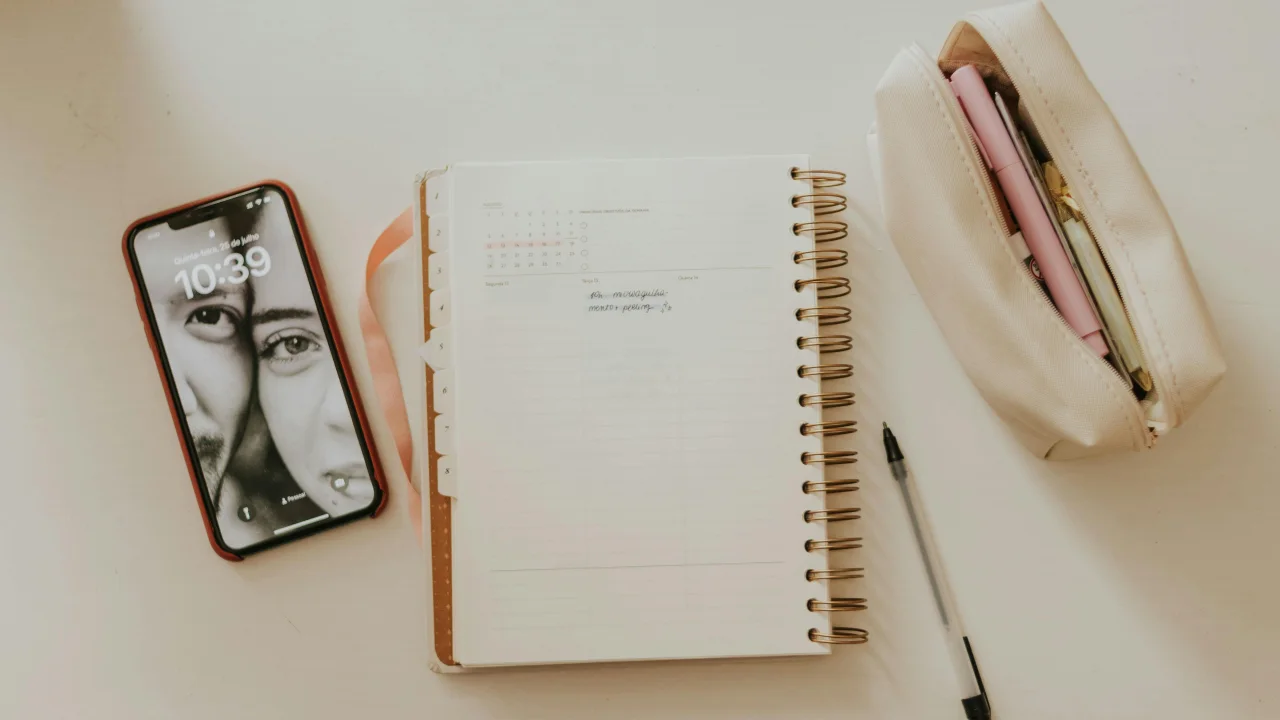
Building habits is hard. Tracking them makes it easier. Research from the American Psychological Association shows that monitoring your behavior increases self-awareness and improves follow-through. The right app can be the difference between a habit that sticks and one that fades after three days.
How to Curate a Capsule Wardrobe and Save Money on Clothes
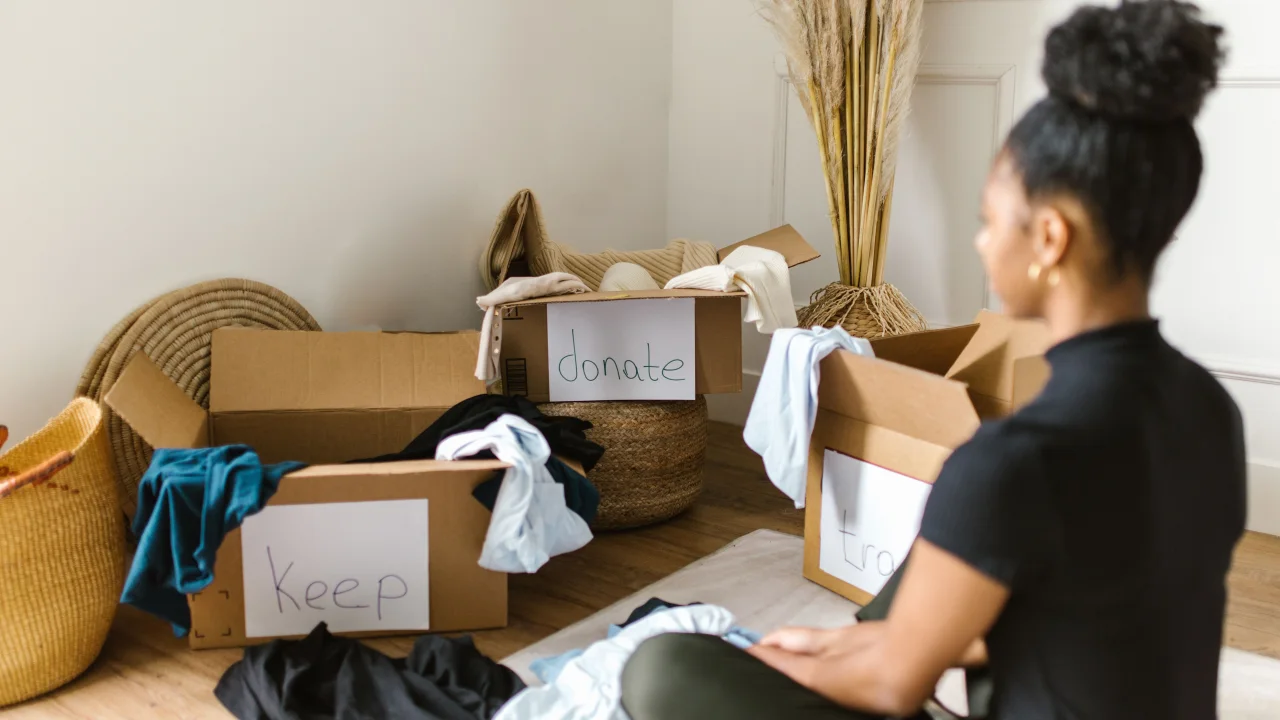
The average person wears only 20% of their wardrobe 80% of the time. The rest sits unworn, taking up closet space and representing money that could have been saved. A capsule wardrobe solves this problem by paring down your clothing to a small set of versatile, high-quality pieces that all work together.
Comments
0 commentsNo approved comments are visible yet. New community replies may wait for moderation.