Lifestyle Guides
Articles
Explore tutorials and editorials with multilingual SEO support.
Article categories
Language
Lifestyle Guides
Lifestyle Guides
20 Articles

7 minFree
How to Stay Motivated When You Feel Like Giving Up
Motivation is not a constant. It ebbs and flows. Some days you wake up ready to conquer the world. Other days, getting out of bed feels like a win. The difference between people who succeed and those who give up is not that successful people never feel like quitting—it is that they have systems in place to keep going even when motivation is absent.
LifestyleLifestyle GuidesHabitsLifestyle

7 minFree
The Best Apps for Habit Tracking and Goal Setting
Building habits is hard. Tracking them makes it easier. Research from the American Psychological Association shows that monitoring your behavior increases self-awareness and improves follow-through. The right app can be the difference between a habit that sticks and one that fades after three days.
LifestyleLifestyle GuidesProductivityAppsHabits

7 minFree
How to Curate a Capsule Wardrobe and Save Money on Clothes
The average person wears only 20% of their wardrobe 80% of the time. The rest sits unworn, taking up closet space and representing money that could have been saved. A capsule wardrobe solves this problem by paring down your clothing to a small set of versatile, high-quality pieces that all work together.
LifestyleLifestyle GuidesLifestyleLifestyle GuidesCurate

6 minFree
5 Daily Journaling Prompts for Self Discovery and Clarity
Journaling is one of the most powerful tools for self-awareness, emotional regulation, and personal growth. Writing helps you untangle thoughts, identify patterns, and gain clarity that thinking alone cannot provide.
LifestyleLifestyle GuidesHabitsLifestyleLifestyle Guides

8 minFree
The Art of Saying No: How to Set Boundaries Guilt Free
Saying no is a superpower. Every time you say yes to something you do not want to do, you say no to something you do want to do—your own priorities, your rest, your peace of mind.
LifestyleLifestyle GuidesLifestyleLifestyle GuidesSaying
6 minFree
How to Clean an Air Fryer in 5 Minutes
The air fryer is one of the most popular kitchen appliances for a reason: it makes crispy food with minimal oil, cooks faster than an oven, and is remarkably versatile. But it has one major downside: cleaning the basket, tray, and heating element can be a hassle if you let grease and food residue build up.
LifestyleLifestyle GuidesCleanLifestyleLifestyle Guides

8 minFree
12 Creative Gift Ideas for the Person Who Has Everything
Shopping for someone who already has everything is a unique challenge. They buy what they want when they want it. They have a full closet, a stocked kitchen, and a shelf of gadgets they barely use.
LifestyleLifestyle GuidesLifestyleLifestyle GuidesIdeas
5 minFree
How to Plan Your Week on Sunday for a Stress Free Monday
Monday morning panic is avoidable. The feeling of dread when you walk into the office (or open your laptop) and realize you have no idea what you are supposed to be doing is not inevitable—it is the result of not planning ahead.
LifestyleWellness and FitnessLifestyle GuidesLifestyleWellnessWellness Fitness
7 minFree
The Ultimate Guide to Sustainable and Eco Friendly Living
Sustainable living is not about perfection—it is about progress. The most impactful changes are not the glamorous zero-waste Instagram posts, but the everyday habits that reduce your footprint without requiring a complete lifestyle overhaul.
LifestyleLifestyle GuidesLifestyleLifestyle GuidesSustainable

6 minFree
How to Digitize Your Paper Files and Live a Paperless Life
The average office worker uses 10,000 sheets of paper per year. Paper takes up physical space, creates visual clutter, and makes finding documents a scavenger hunt. A paperless system, by contrast, is searchable, backup-able, and accessible from anywhere.
LifestyleLifestyle GuidesLifestyleLifestyle GuidesDigitize
8 minFree
7 Books That Will Completely Change the Way You Think
Certain books do not just inform you—they rewire the way you see the world. They challenge assumptions, introduce mental models, and leave you thinking differently long after you close the cover.
LifestyleLifestyle GuidesLifestyleLifestyle GuidesBooks
6 minFree
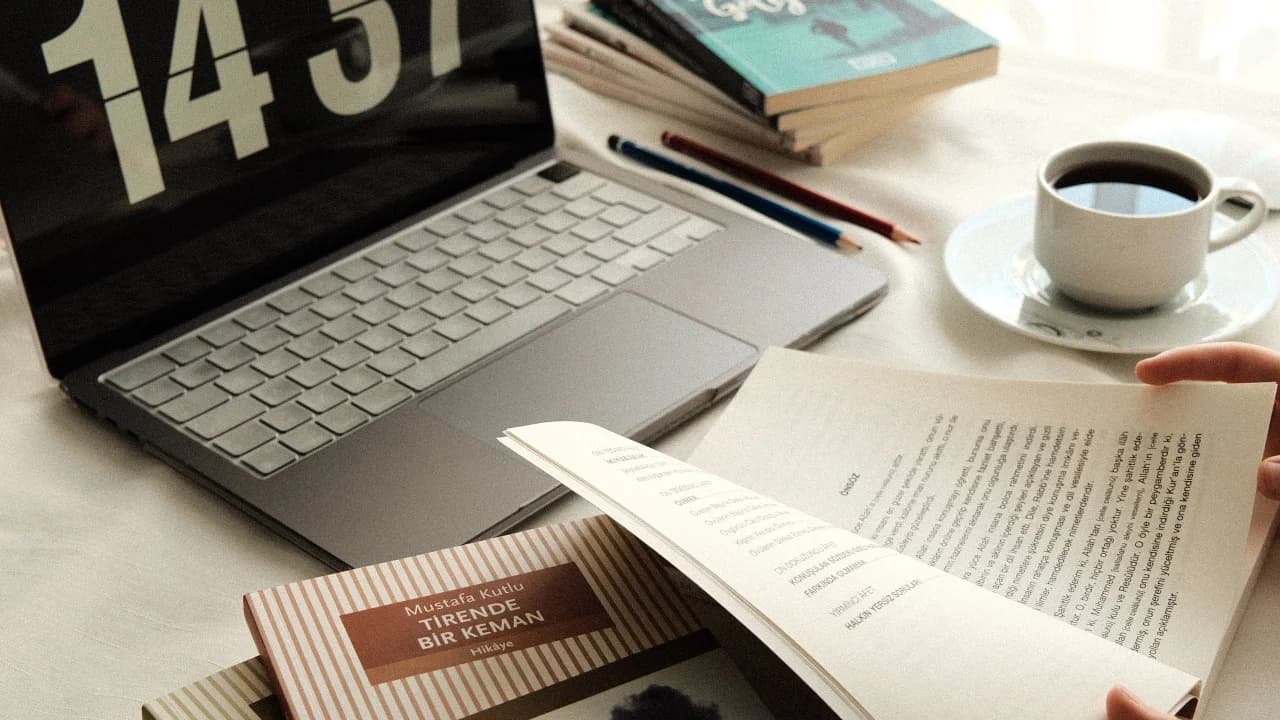
How to Learn a New Language Fast: The 80/20 Rule Method
Learning a new language feels overwhelming. There are thousands of words, complex grammar rules, and native speakers who talk at lightning speed. Most people give up because they try to learn everything at once.
LanguagesLifestyleLifestyle GuidesLanguage LearningLifestyleLifestyle Guides
8 minFree
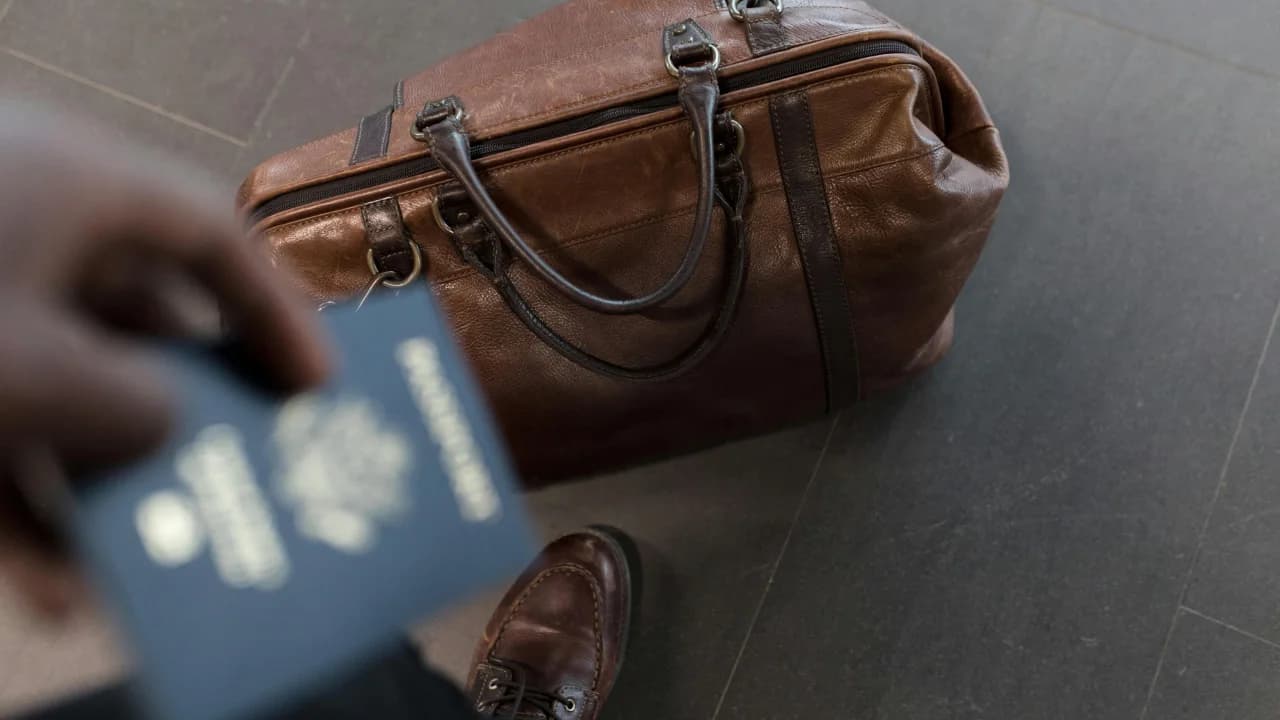
The Best Travel Destinations for Solo Travelers on a Budget
Solo travel is one of the most transformative experiences you can have. You set your own schedule, make decisions on the fly, and meet people you would never talk to if you were traveling with a friend. The common objection is cost—but solo travel can actually be cheaper than group travel when you choose the right destinations.
BusinessLifestylePersonal FinancePersonal FinanceSaving MoneyBusiness

7 minFree
10 Life Skills They Do Not Teach You in School
School teaches you algebra, history, and grammar. It rarely teaches you how to manage money, navigate relationships, or take care of your mental health. These "real world" skills determine the quality of your life far more than any textbook knowledge.
LifestyleLifestyle GuidesLifestyleLifestyle GuidesSkills
8 minFree
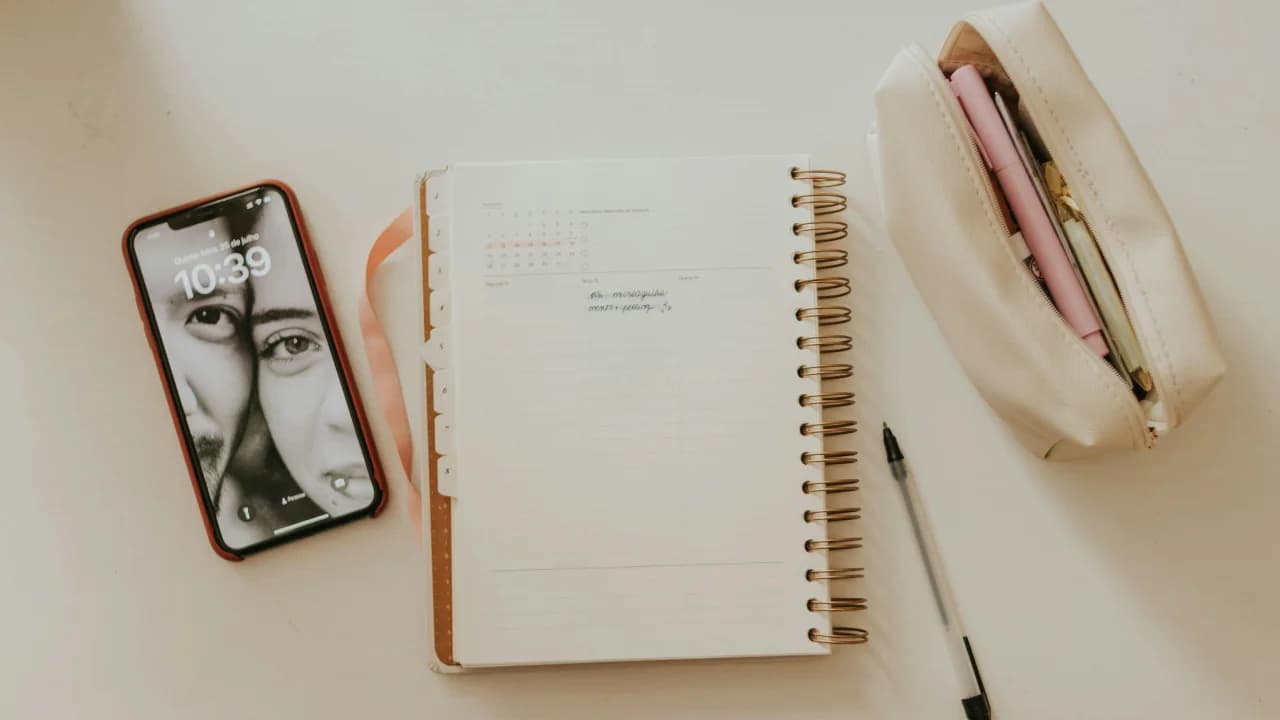
How to Build Atomic Habits That Stick Based on Science
Every habit you have—good or bad—follows the same neurological loop. Understanding that loop is the key to changing your behavior permanently. In his book *Atomic Habits*, James Clear popularized a framework built on decades of behavioral science research. This article breaks down the science behind that framework and gives you a step-by-step system to build habits that actually stick.
LifestyleLifestyle GuidesHabitsLifestyleLifestyle Guides
6 minFree
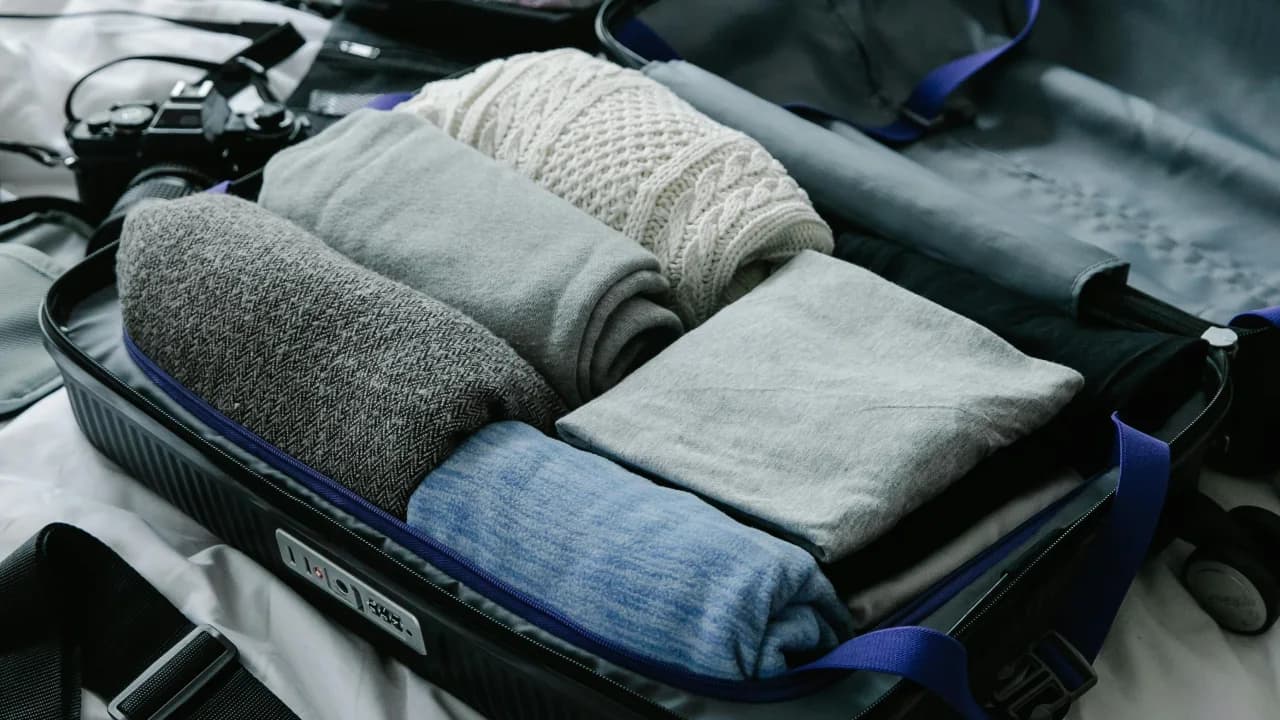
The Minimalist Guide to Travel: How to Pack Using Only a Carry On
Packing light is a superpower. When you travel with only a carry-on bag, you skip baggage claim, avoid lost luggage, move freely through airports and train stations, and save money on checked-bag fees. More importantly, you discover that you need far less than you think.
LifestyleLifestyle GuidesLifestyleLifestyle GuidesMinimalist

7 minFree
How to Declutter Your Entire Home in One Weekend
Clutter is not just an aesthetic problem. Research from Princeton University's Neuroscience Institute shows that physical clutter competes for your attention, increases stress hormones, and reduces your ability to focus. The average American home contains over 300,000 items. Most of us use only 20% of what we own on a regular basis.
LifestyleLifestyle GuidesLifestyleLifestyle GuidesHome
6 minFree
5 Morning Habits That Will Double Your Productivity
The way you start your morning sets the tone for the entire day. High performers across every field—from CEOs to athletes—swear by specific morning rituals that prime their brains for peak output. The science is clear: the first 60 minutes after waking offer a unique window where your prefrontal cortex is most receptive, cortisol levels are naturally elevated, and willpower is at its daily peak.
LifestyleLifestyle GuidesProductivityHabitsLifestyle
8 minFree
7 Time Management Frameworks Used by Top Executives
Time is the one resource you cannot buy more of. Top executives understand this better than anyone — and they use structured frameworks to ensure their time is spent on what matters most.
LifestyleLifestyle GuidesProductivityManagementTime

7 minFree
The Best Cash Back Credit Cards for International Travel
Using the wrong credit card abroad can cost you hundreds of dollars in foreign transaction fees — typically 3% of every purchase. But the right card does the opposite: it earns you cash back, gives you travel protections, and charges zero foreign transaction fees.
BusinessLifestylePersonal FinancePersonal FinanceSaving MoneyBusiness