How to Declutter Your Entire Home in One Weekend
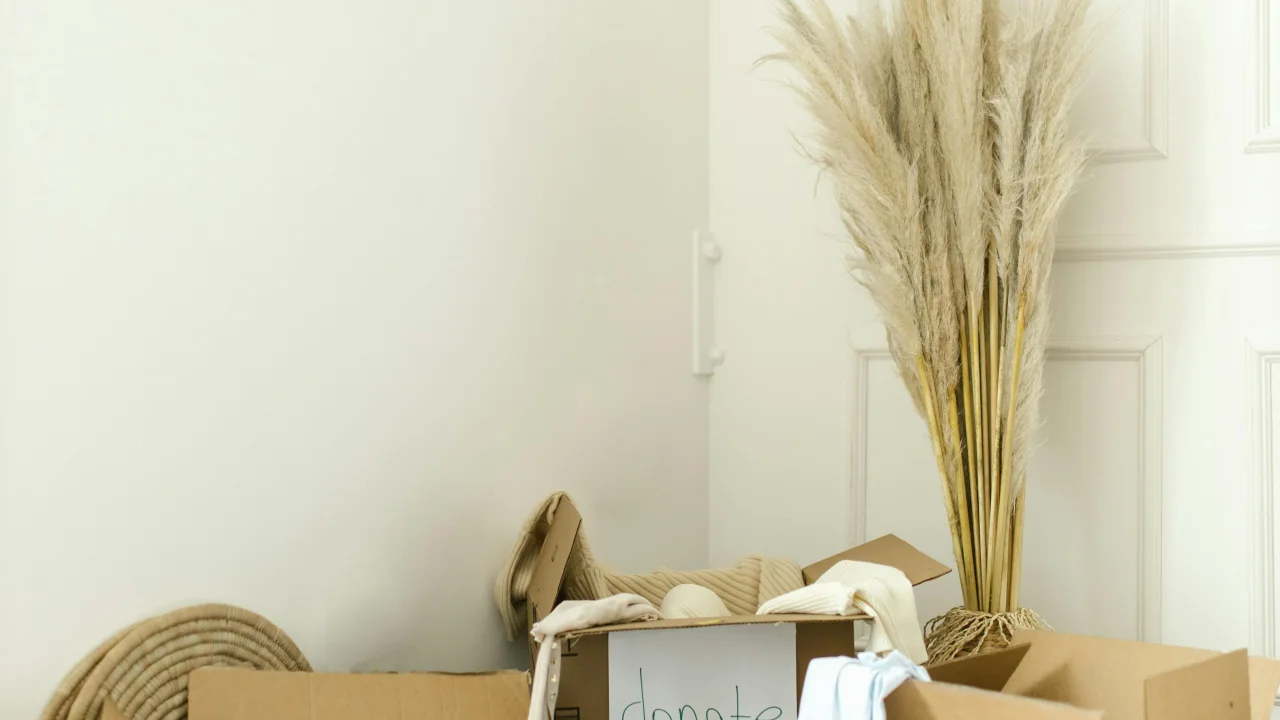
Clutter is not just an aesthetic problem. Research from Princeton University's Neuroscience Institute shows that physical clutter competes for your attention, increases stress hormones, and reduces your ability to focus. The average American home contains over 300,000 items. Most of us use only 20% of what we own on a regular basis.
Clutter is not just an aesthetic problem. Research from Princeton University's Neuroscience Institute shows that physical clutter competes for your attention, increases stress hormones, and reduces your ability to focus. The average American home contains over 300,000 items. Most of us use only 20% of what we own on a regular basis.
The good news? You can declutter your entire home in one weekend. This is not about tidying up—it is about making decisive, permanent decisions about every single item you own. By Sunday night, you will walk into a home that feels lighter, calmer, and more functional.
Before You Start: The Preparation Phase (Friday Evening)
Time required: 1 hour
Step 1: Gather your supplies
| Item | Purpose |
|---|---|
| 30 large garbage bags | 10 each for trash, donate, relocate |
| 10 cardboard boxes | For items going to storage or out of the house |
| Sticky notes + marker | For labeling zones and boxes |
| Painter's tape | To seal boxes temporarily |
| Disinfecting wipes | To clean surfaces as you go |
| A timer | To keep you moving (use your phone in airplane mode) |
| A notebook | For tracking decisions and donation receipts |
Step 2: Set the rules
Print or write these rules on a sticky note and place it where you can see it:
- One-touch rule: Once you pick up an item, you must make a decision. No "maybe" piles.
- The 90/90 rule: If you have not used it in 90 days and will not use it in the next 90 days, let it go.
- No sentimentality today: Sentimental items get a separate pass. Box them up now and decide later.
- Trash > Donate > Keep: If it is broken, stained, or expired, toss it immediately. If it is usable but no longer serves you, donate it.
Step 3: Create your sorting stations
Designate three areas in your living room or garage:
- Keep zone: Clean, organized corner for items staying
- Donate zone: Boxes labeled "Donate" with a list of what is inside
- Trash zone: Bags that go directly to the outdoor bin
Saturday: High-Impact Zones
Time required: 6–8 hours
7:00 AM – 7:30 AM: The pre-game
Eat a good breakfast. Hydrate. Put on comfortable clothes and shoes. Set your timer. Play upbeat music or a podcast. Commit to the process.
7:30 AM – 9:30 AM: The Living Room
The living room is the heart of your home. Decluttering it first creates visible momentum.
Step-by-step:
- Remove everything from coffee tables, shelves, and media consoles
- Sort into three piles: keep, donate, trash
- Wipe down all surfaces
- Return only the keep items—but ask: Does this deserve a visible spot?
- Limit decorative items to 3–5 per surface
- Organize media: DVDs, games, cables. If you have not watched/played it in a year, donate it.
- Toss all expired electronics, broken remotes, and orphaned cables
Quick wins:
- Coffee table: Keep only a tray with 2–3 items (remote, coaster, book)
- Entertainment center: Store controllers in a single drawer or basket
- Throw blankets: Keep 2 maximum. Wash and fold the rest for donation.
- Magazines: Recycle anything older than 3 months
9:30 AM – 11:30 AM: The Kitchen
The kitchen is often the most cluttered room per square foot.
Step-by-step:
| Zone | What to toss | What to keep |
|---|---|---|
| Counters | Appliances used once in the last year | Daily-use items only (coffee maker, toaster) |
| Pantry | Expired food, duplicate spices, stale snacks | Items you actually eat weekly |
| Cabinets | Chipped mugs, mismatched lids, broken gadgets | Complete sets, items used monthly |
| Drawers | Takeout menus, expired coupons, dead pens | Utensils you use, current takeout menus (digital) |
The one-year rule for appliances: If you own a bread maker, pasta machine, or juicer that has sat untouched for more than 12 months, donate it. You can borrow one if you suddenly need it.
Drawer organization tip: Use drawer dividers (even repurposed cardboard boxes) to keep utensils separated. Group by function: cooking utensils, measuring tools, and food prep items.
11:30 AM – 12:30 PM: Lunch break
Take a real break. Eat something nourishing. Walk outside for 10 minutes. Do not check your phone—stay in the decluttering mindset.
12:30 PM – 3:00 PM: The Bedroom
Your bedroom should be a sanctuary for rest. Clutter here disrupts sleep quality.
Closet:
- Remove every single item from your closet
- Try on anything you are unsure about
- Apply the one-year rule: Have you worn it in the past year? If no, donate it.
- Apply the joy test: Does this piece of clothing make you feel good? If no, donate it.
- Remove all hangers for donated items to keep your closet from looking sparse
- Organize by category: shirts → pants → dresses → outerwear, and within each, by color
Nightstands:
- Remove everything except: a lamp, a book (one), and maybe a phone charger
- Toss old tissues, empty water bottles, dead pens, and random receipts
Under the bed:
- If you store things under the bed, limit it to off-season clothing or extra linens only
- Use flat storage bins with lids
3:00 PM – 5:00 PM: The Bathroom
Medicine cabinet:
- Toss all expired medications (check dates—most expire within 1–3 years)
- Toss old makeup (mascara: 3 months, lipstick: 1 year, foundation: 1 year)
- Toss dried-out nail polish, crusty lotions, empty containers
- Keep only daily-use toiletries visible; store backups in a cabinet
Under the sink:
- Toss old cleaning supplies, empty bottles, broken hair tools
- Group cleaners by type (kitchen, bathroom, all-purpose) in clear caddies
- Store extra toilet paper and towels neatly
5:00 PM – 6:00 PM: Remove trash and donations
Take all trash bags to the outdoor bin. Load donation boxes into your car. This physical removal is critical—it prevents second-guessing.
Sunday: Low-Impact Zones + Systems
Time required: 4–6 hours
8:00 AM – 10:00 AM: Home Office / Desk
Paper clutter is the enemy:
- Shred anything with personal information that is no longer needed
- Recycle old bills, receipts, and statements (most are available digitally)
- Keep only: current tax documents, warranty info, and essential legal papers
- Scan important documents and store them digitally (see Article 119)
Desk:
- Remove everything from the surface
- Toss dried-out pens, sticky notes with old info, broken staplers
- Keep only: computer, keyboard, mouse, one notebook, one pen holder, and one personal item
- Add a small tray for incoming papers—process it weekly
10:00 AM – 12:00 PM: Entryway / Mudroom
The entryway is the first thing you see when you walk in. It sets the tone.
- Remove all shoes except 2–3 pairs per person currently in rotation
- Donate coats and jackets not worn in the past year
- Create a drop zone: a tray for keys, wallet, and sunglasses
- Hang hooks for daily bags only
- Store umbrellas, scarves, and gloves in a single basket
12:00 PM – 1:00 PM: Lunch break
1:00 PM – 3:00 PM: Storage Areas
Linens closet:
- Keep: 2 sets of sheets per bed, 2 bath towels per person, 2 hand towels per bathroom
- Donate: frayed towels, mismatched sheets, hotel toiletries you will never use
- Fold using the KonMari method (vertical folding) for visibility
General storage:
- Label every box on multiple sides
- Group like items together (holiday decorations, camping gear, baby items)
- If you have not opened a box in two years, do not keep it
3:00 PM – 4:00 PM: Sentimental Items
This is the hardest category. Set a timer for 60 minutes and do not go over.
- Photos: Keep physical photos that bring genuine joy. Scan the rest.
- Children's art: Keep one bin per child per year. Photograph the rest.
- Gifts: You are allowed to let go of gifts. The sentiment was the gift, not the object.
- Heirlooms: Keep items you would display or use. Store the rest respectfully or pass them to another family member.
4:00 PM – 5:00 PM: The Final Sweep
Walk through every room with a garbage bag and a box. Look for:
- Items that migrated to the wrong room
- Things you missed on the first pass
- Final surface-level clutter (mail, coins, loose items)
5:00 PM – 6:00 PM: Celebrate and Reset
- Take out all remaining trash
- Load final donations into the car
- Light a candle, open the windows
- Walk through your home and enjoy the space
- Schedule your donation drop-off for Monday morning
Post-Weekend: Maintenance Systems
| System | Frequency | Time required |
|---|---|---|
| Surface reset (wipe counters, fluff pillows) | Daily | 5 min |
| One-touch paper processing | Daily | 2 min |
| 10-item pickup (find 10 things to relocate) | Weekly | 5 min |
| Donation box sweep | Monthly | 10 min |
| Deep declutter (repeat this weekend) | Yearly | 2 days |
What to Do with Donated Items
| Item type | Where to donate |
|---|---|
| Clothing (gently used) | Goodwill, Salvation Army, local shelters |
| Books | Libraries, Little Free Libraries, schools |
| Furniture | Habitat for Humanity ReStore, Facebook Marketplace |
| Electronics | Best Buy recycling, local e-waste centers |
| Kitchen items | Community kitchens, shelters, thrift stores |
Final Thoughts
Decluttering your entire home in one weekend is ambitious, but it is absolutely achievable. The key is speed, decisiveness, and a system. Do not overthink. Do not sentimentalize. Do not create "maybe" piles. Every item in your home should earn its place by being useful, beautiful, or meaningful. Everything else is just stuff—and stuff is heavy. Let it go.
Featured Articles

How to Stay Motivated When You Feel Like Giving Up
Motivation is not a constant. It ebbs and flows. Some days you wake up ready to conquer the world. Other days, getting out of bed feels like a win. The difference between people who succeed and those who give up is not that successful people never feel like quitting—it is that they have systems in place to keep going even when motivation is absent.
The Best Apps for Habit Tracking and Goal Setting
Building habits is hard. Tracking them makes it easier. Research from the American Psychological Association shows that monitoring your behavior increases self-awareness and improves follow-through. The right app can be the difference between a habit that sticks and one that fades after three days.
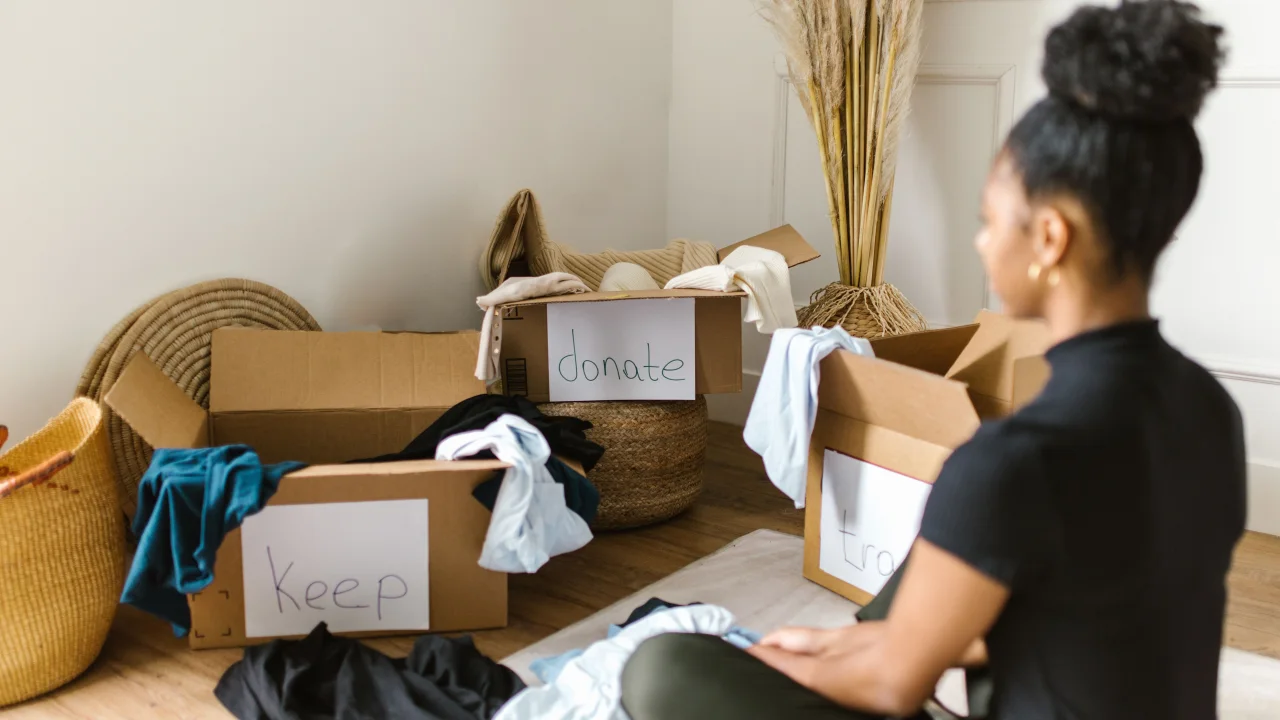
How to Curate a Capsule Wardrobe and Save Money on Clothes
The average person wears only 20% of their wardrobe 80% of the time. The rest sits unworn, taking up closet space and representing money that could have been saved. A capsule wardrobe solves this problem by paring down your clothing to a small set of versatile, high-quality pieces that all work together.
Comments
0 commentsNo approved comments are visible yet. New community replies may wait for moderation.