How to Curate a Capsule Wardrobe and Save Money on Clothes
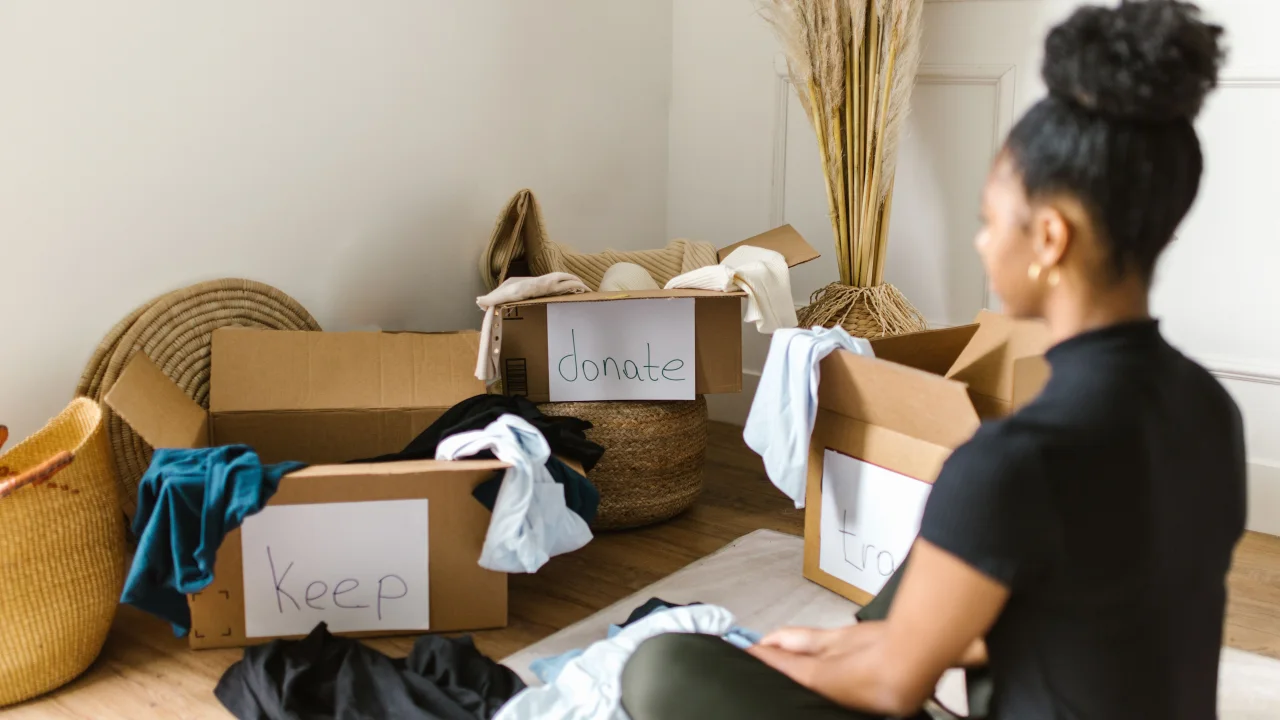
The average person wears only 20% of their wardrobe 80% of the time. The rest sits unworn, taking up closet space and representing money that could have been saved. A capsule wardrobe solves this problem by paring down your clothing to a small set of versatile, high-quality pieces that all work together.
The average person wears only 20% of their wardrobe 80% of the time. The rest sits unworn, taking up closet space and representing money that could have been saved. A capsule wardrobe solves this problem by paring down your clothing to a small set of versatile, high-quality pieces that all work together.
This guide walks you through building a capsule wardrobe from scratch, saving money, and never again staring at a full closet with "nothing to wear."
What Is a Capsule Wardrobe?
A capsule wardrobe is a curated collection of 30–40 items (excluding underwear, socks, sleepwear, and workout clothes) that can be mixed and matched to create dozens of outfits.
| Feature | Traditional wardrobe | Capsule wardrobe |
|---|---|---|
| Number of items | 100–300+ | 30–40 |
| Versatility | Low (many pieces only go with one or two others) | High (every piece goes with multiple others) |
| Decision fatigue | High | Low |
| Cost per wear | High (many items worn once or never) | Low (every item worn regularly) |
| Shopping frequency | Frequent (impulse purchases) | Rare (intentional, seasonal) |
| Closet space needed | Lots | Minimal |
The Benefits
| Benefit | Details |
|---|---|
| Saves money | You buy fewer, better-quality items |
| Saves time | No more "what do I wear?" struggles |
| Reduces stress | Fewer decisions = less cognitive load |
| Enhances style | A cohesive wardrobe looks more intentional |
| Sustainable | Less fast fashion waste |
| Easier travel | Packing is effortless (see Article 113) |
| Easier laundry | Fewer items = less laundry |
Step 1: Define Your Personal Style
Before buying anything, get clear on how you want to dress.
The style discovery process:
- Create a style inspiration board — Use Pinterest or Instagram to save outfits you love
- Identify patterns — Look for recurring colors, silhouettes, and vibes
- Define your style keywords — 3–5 words that describe how you want to look
| Style keyword | Examples |
|---|---|
| Classic | Tailored, neutral, timeless (blazers, white shirts, trench coats) |
| Minimalist | Clean lines, monochrome, simple (black turtlenecks, straight-leg pants) |
| Casual | Comfortable, relaxed, effortless (jeans, t-shirts, sneakers) |
| Edgy | Dark, structured, bold (leather jackets, boots, fitted silhouettes) |
| Feminine | Soft, flowy, romantic (dresses, cardigans, pastels) |
| Artistic | Eclectic, colorful, textured (patterns, layering, unique accessories) |
Example: "My style is classic + minimalist with a touch of edge. I wear mostly black, white, navy, and gray, with occasional burgundy or olive accents."
Step 2: Assess What You Already Own
You likely already have the foundation of a capsule wardrobe. You just need to identify it.
The closet audit process:
- Remove everything from your closet
- Try on every item — Be honest about fit, comfort, and condition
- Sort into three piles:
| Pile | Criteria | Action |
|---|---|---|
| Keep | Fits well, flatters you, worn in last 6 months, in good condition | Wash, repair if needed, fold/hang |
| Maybe | Not sure, emotionally attached, "might wear someday" | Put in a box. If unused in 3 months, donate. |
| Discard | Doesn't fit, stained, worn out, never worn | Donate, sell, or trash |
Questions to ask for every item:
- Have I worn this in the past 6 months?
- Does it fit me well right now?
- Does it make me feel good when I wear it?
- Is it in good condition?
- Does it match at least 3 other items in my wardrobe?
If the answer to any of these is "no," the item goes in the discard pile.
Step 3: Choose Your Color Palette
A cohesive color palette is what makes a capsule wardrobe work. When every top goes with every bottom, outfit creation is effortless.
Pick 3-4 neutral base colors
These will form the majority of your wardrobe.
| Neutral | Matches with |
|---|---|
| Black | Everything |
| Navy | Everything |
| White/cream | Everything |
| Gray | Everything |
| Beige/khaki | Most colors |
| Olive | Most neutrals, burgundy, mustard |
Pick 1-2 accent colors
These add personality and variety.
| Accent | Best paired with |
|---|---|
| Burgundy | Black, navy, gray, cream |
| Mustard | Navy, gray, olive, beige |
| Forest green | Black, navy, cream, beige |
| Blush/pink | Navy, gray, cream, white |
| Cobalt blue | Black, white, gray, beige |
| Camel | Navy, white, cream, black |
Example palette:
| Category | Colors |
|---|---|
| Base neutrals (60%) | Black, navy, cream |
| Near-neutrals (25%) | Gray, olive |
| Accents (15%) | Burgundy, camel |
Step 4: Design Your Capsule
A standard capsule wardrobe has:
| Category | Number of items | Examples |
|---|---|---|
| Tops (short sleeve) | 3–4 | T-shirts, blouses, bodysuits |
| Tops (long sleeve) | 3–4 | Button-downs, turtlenecks, sweaters |
| Bottoms | 4–5 | Jeans, trousers, skirts, shorts |
| Dresses | 2–3 | Day dress, work dress, going-out dress |
| Outerwear | 2–3 | Blazer, jacket, coat, cardigan |
| Shoes | 4–5 | Sneakers, flats, heels, boots, sandals |
| Accessories | 5–7 | Scarves, belts, jewelry, bags |
| Total | 30–40 |
Sample 33-piece capsule wardrobe
| Category | Items |
|---|---|
| Tops (7) | White t-shirt, black t-shirt, navy striped tee, cream silk blouse, black turtleneck, white button-down, gray cashmere sweater |
| Bottoms (5) | Dark straight-leg jeans, black trousers, navy wide-leg pants, beige knee-length skirt, black shorts |
| Dresses (2) | Black midi dress, navy wrap dress |
| Outerwear (3) | Black blazer, camel trench coat, black leather jacket |
| Shoes (4) | White sneakers, black loafers, nude heels, black ankle boots |
| Accessories (5) | Black leather belt, silk scarf, gold hoop earrings, structured black tote, crossbody bag |
Outfit combinations: With these 26 core items (5 shoes + accessories vary), you can create 200+ unique outfits.
Step 5: Fill the Gaps (Shopping Strategically)
After your audit, you will have a list of gaps. Fill these intentionally.
The shopping rules:
| Rule | Why |
|---|---|
| Only buy items on your list | No impulse purchases |
| Wait 48 hours before buying | Eliminates impulse decisions |
| Prioritize quality over quantity | Better items last longer |
| Buy for the life you have, not the life you want | Be realistic about your actual lifestyle |
| One in, one out | When you buy something new, donate something old |
What to invest in vs. save on:
| Invest (spend more) | Save (spend less) |
|---|---|
| Winter coat | T-shirts |
| Shoes | Basics (tanks, camis) |
| Jeans that fit perfectly | Seasonal trends |
| Leather bag | Scarves |
| Cashmere sweater | Jewelry (trendy pieces) |
| Blazer | Socks and underwear |
Where to shop:
| Brand type | Examples | Best for |
|---|---|---|
| Premium basics | Everlane, Uniqlo, COS | Quality basics at fair prices |
| Sustainable | Patagonia, Reformation, People Tree | Ethical production |
| Investment | Theory, Vince, Aritzia | Workwear, investment pieces |
| Secondhand | The RealReal, Poshmark, Depop | Designer pieces at reduced prices |
| Thrift | Local thrift stores, Goodwill | Unique finds, sustainability |
Step 6: Organize Your Capsule
How you store your capsule matters for daily ease.
Organization principles:
- Visible storage — If you cannot see it, you will not wear it
- Category grouping — All tops together, all pants together
- Color organization — Within each category, arrange by color
- Rotate seasonally — Store off-season items out of sight
Seasonal rotation:
| Season | Clothes | |
|---|---|---|
| Spring/Fall | Tranition weights | Layerable pieces, jackes, long sleeves |
| Summer | Light weights | Short sleeves, dresses, shorts, sandals |
| Winter | Heavy weights | Sweaters, coats, boots, scarves |
The 80/20 rule: 80% of your capsle stays the same year-round. 20% changes with the season.
Step 7: Maintain Your Capsle
A capsle wardrobe is not a one-time project. It requires maintenance.
Weekly:
- Laundry and put away immediately
- Note any items that need repair
Monthly:
- Check for items you have not worn. Ask yourself why.
- Repair or alter items that need it
Seasonally:
| Task | Details |
|---|---|
| Clean | Dry-clean winter coats before storing |
| Mend | Repair loose buttons, hems, seams |
| Donate | Remove items you did not wear this season |
| Swap | Rotate seasonal items in and out |
Yearly:
- Full clost audit (repeat Step 2)
- Assess what is wearing out and needs replacement
- Revisit your style inspiration board
The Financial Impact
| Before capsle | After capsle |
|---|---|
| $1,500+/year on clothe | $600-$800/year |
| 30+ new items per year | 8-12 new items per year |
| 70% of items worn < 10 times | 95% of items worn > 20 times |
| "Nothing to wear" daily | 3 minutes to choose an outfit |
| Full closets, empty wallet | Minimal clost, fuller savings |
Commn Mistakes to Avoid
| Mistake | Why it harms your capsle | Better approach |
|---|---|---|
| Going too minimalist too fast | You may feel deprived and rebound | Reduce gradually over 3-6 months |
| Choosing a palette too narrow | Outfits feel repetive | Add 1-2 accent colors |
| Ignoring your actual life | Dressy capsle when you work from home | Build around your real routine |
| Buying cheap versions | They wear out fast and need replacing | Save up for quality |
| Not accounting for laundry | Running out of clean items mid-week | Include enough pieces for a full laundry cycle |
Final Thoughts
A capsule wardrobe is not about deprivation. It is about intentionality. When every piece in your closet is something you love and actually wear, getting dressed becomes a pleasure rather than a chore. You save money, time, and mental energy. And you develop a personal style that is unmistakably yours.
Start with a closet audit this weekend. By next week, you will wonder why you ever needed so much.
Featured Articles

How to Stay Motivated When You Feel Like Giving Up
Motivation is not a constant. It ebbs and flows. Some days you wake up ready to conquer the world. Other days, getting out of bed feels like a win. The difference between people who succeed and those who give up is not that successful people never feel like quitting—it is that they have systems in place to keep going even when motivation is absent.

The Best Apps for Habit Tracking and Goal Setting
Building habits is hard. Tracking them makes it easier. Research from the American Psychological Association shows that monitoring your behavior increases self-awareness and improves follow-through. The right app can be the difference between a habit that sticks and one that fades after three days.

5 Daily Journaling Prompts for Self Discovery and Clarity
Journaling is one of the most powerful tools for self-awareness, emotional regulation, and personal growth. Writing helps you untangle thoughts, identify patterns, and gain clarity that thinking alone cannot provide.
Comments
0 commentsNo approved comments are visible yet. New community replies may wait for moderation.