The Ultimate Guide to Sustainable and Eco Friendly Living

Sustainable living is not about perfection—it is about progress. The most impactful changes are not the glamorous zero-waste Instagram posts, but the everyday habits that reduce your footprint without requiring a complete lifestyle overhaul.
Sustainable living is not about perfection—it is about progress. The most impactful changes are not the glamorous zero-waste Instagram posts, but the everyday habits that reduce your footprint without requiring a complete lifestyle overhaul.
This guide covers the highest-impact areas of sustainable living, ranked by environmental benefit, so you can prioritize your efforts where they matter most.
The Impact Pyramid
Not all eco-friendly actions are equal. Here is how to prioritize:
| Tier | Category | CO₂e reduction potential | Effort |
|---|---|---|---|
| 1 | Transportation | Very high | Medium |
| 2 | Food (especially meat) | High | Medium |
| 3 | Energy (home) | High | Low-Medium |
| 4 | Consumption (stuff) | Medium | Low |
| 5 | Waste | Low-Medium | Low |
| 6 | Lifestyle "extras" | Low | Low |
The most impactful thing you can do: Reduce air travel, go car-free or EV, and eat a plant-rich diet. Everything else is a bonus.
1. Sustainable Transportation
Transportation is the largest source of greenhouse gas emissions in most developed countries. This is where your choices have the most leverage.
The hierarchy of transportation choices:
| Best | Good | OK | Avoid |
|---|---|---|---|
| Walk/Bike | Public transit | EV | Gas SUV |
| No travel | Train (electric) | Hybrid | Short-haul flights |
| Remote work | Carpool | Small gas car | Single-occupancy SUV |
Actionable steps:
- Replace one car trip per week with walking, biking, or public transit
- If buying a car, choose electric or hybrid
- Avoid short-haul flights (under 500 miles) — take the train instead
- Combine errands into a single trip rather than multiple short drives
- Maintain your car — properly inflated tires, regular tune-ups, clean air filters
- Consider car-sharing (Zipcar, Turo) if you drive infrequently
Carbon savings from transportation choices:
| Change | Annual CO₂ savings |
|---|---|
| Replace 1 car trip/week with transit | ~500 kg |
| Switch from gas car to EV | ~2,000 kg |
| Fly one less round-trip (NY to LA) | ~1,200 kg |
| Work from home 2 days/week | ~800 kg |
| Bike instead of drive (5 miles/day) | ~1,000 kg |
2. Sustainable Food
Food production accounts for about 26% of global greenhouse gas emissions. What you eat matters more than how far it traveled.
The food impact hierarchy:
| Highest impact per kg | Medium impact per kg | Lowest impact per kg |
|---|---|---|
| Beef (60 kg CO₂e) | Chicken (6 kg CO₂e) | Legumes (0.8 kg CO₂e) |
| Lamb (24 kg CO₂e) | Pork (7 kg CO₂e) | Tofu (1.5 kg CO₂e) |
| Cheese (21 kg CO₂e) | Eggs (4.5 kg CO₂e) | Vegetables (0.5 kg CO₂e) |
| Farmed salmon (12 kg CO₂e) | Yogurt (5 kg CO₂e) | Grains (0.5 kg CO₂e) |
Actionable steps:
- Reduce meat consumption — Start with one meatless day per week (Meatless Monday)
- Replace beef and lamb with chicken or plant proteins (biggest impact per swap)
- Reduce food waste — The average household wastes 30% of food
- Buy seasonal and local when possible (but transport is a small fraction of total impact)
- Grow some of your own food — even herbs on a windowsill count
- Compost food scraps instead of sending them to landfill
Meal planning for sustainability:
| Day | Meal | Notes |
|---|---|---|
| Monday | Lentil soup + bread | Meatless, high protein, low cost |
| Tuesday | Stir-fry with tofu + vegetables | Plant-based, quick cooking |
| Wednesday | Chicken thighs + roasted vegetables | Low-carbon meat in moderate portions |
| Thursday | Bean burritos with rice | Meatless, complete protein |
| Friday | Pasta with marinara + side salad | Simple plant-based, use seasonal veg |
| Saturday | Grilled fish + quinoa + greens | Moderate-carbon protein |
| Sunday | Roasted vegetables + chickpeas | Plant-based, batch-cook leftovers |
Food waste reduction strategies:
- Plan meals weekly before shopping
- Store food correctly — learn which vegetables go in the fridge vs. counter
- Use "first in, first out" in your fridge and pantry
- Freeze leftovers immediately
- Use vegetable scraps for stock
- Revive wilted vegetables in ice water
3. Sustainable Energy at Home
Reduce energy use first
Before installing solar panels, reduce your energy demand. Efficiency is cheaper than generation.
| Upgrade | Cost | Annual savings | Payback period |
|---|---|---|---|
| LED light bulbs | $2–$5 each | $75/year | < 1 year |
| Smart thermostat | $100–$250 | $130/year | 1–2 years |
| Weather stripping | $10–$30 | $100/year | < 1 year |
| Attic insulation | $1,000–$3,000 | $300+/year | 3–10 years |
| Energy Star appliances | +$100–$500 premium | $100–$300/year | 2–5 years |
Daily energy habits:
| Habit | Impact |
|---|---|
| Turn off lights when leaving a room | Saves 5–10% on lighting |
| Unplug "vampire" electronics | Saves 5–10% on standby power |
| Wash clothes in cold water | Saves 90% of laundry energy |
| Line-dry clothes instead of machine-drying | Saves ~$0.50 per load |
| Set thermostat to 68°F (20°C) winter / 78°F (26°C) summer | Saves 10%/year |
| Run dishwasher only when full | Saves 20 loads/year |
| Use a pressure cooker or instat pot | Cok time reduced 70% |
Renewable energy options:
| Option | Cost | CO₂ savings | Best for |
|---|---|---|---|
| Community solar subscription | $0 upfront | 100% of electricity | Renters |
| Rooftop solar (owned) | $10,000–$20,000 | 100% | Homeowners with good roof |
| Rooftop solar (leased) | $0 upfront | 100% | Homeowners who can't pay upfront |
| Green energy utility plan | +$5–$20/mo | 100% | Anyone |
| Offsets (as last resort) | $10–$30/ton | Variable | Remaining unavoidable emissions |
4. Sustainable Consumption
The most sustainable product is the one you already own.
The buy-it-for-life mindset
Before buying anything, ask:
- Do I actually need this? Wait 48 hours before any non-essential purchase.
- Can I borrow, rent, or buy it used? Check your local Buy Nothing group, Facebook Marketplace, or library of things.
- Can I repair what I already have? YouTube has a tutorial for almost every repair.
- If I buy new, is it high quality and repairable? Look for brands that offer replacement parts.
The sustainable wardrobe:
| Strategy | Impact |
|---|---|
| Buy 80% secondhand | Keeps clothes out of landfill |
| Choose natural fibers (cotton, wool, linen) over synthetics | Reduces microplastic pollution |
| Mend and repair clothes | Extends garment life by 2–3x |
| Wash less (jeans every 10 wears, not every 1) | Saves water + extends fabric life |
| Host clothing swaps with friends | Free, fun, zero waste |
Electronics:
- Keep devices longer — The manufacturing impact of a smartphone is 80% of its lifetime emissions
- Repair before replacing — iFixit has free repair guides
- Buy refurbished or certified pre-owned
- Recycle responsibly — Best Buy, Staples, and Apple accept old electronics
- Sell or trade in working devices
5. Waste Reduction
The zero-waste hierarchy:
Prevent > Reduce > Reuse > Recycle > Landfill
Starting your zero-waste journey:
| Area | Change | Waste saved |
|---|---|---|
| Kitchen | Use reusable bags, produce bags, containers | ~500 plastic bags/year |
| Bathroom | Switch to bar soap, shampoo bars, safety razor | ~50 plastic bottles/year |
| On the go | Carry reusable water bottle, coffee cup, utensils | ~365 disposable items/year |
| Cleaning | Use vinegar, baking soda, castile soap for most cleaning | ~20 plastic bottles/year |
| Food | Buy in bulk with reusable containers | ~100 packaging items/year |
Recycling correctly:
Contamination is the biggest problem in recycling. A single non-recyclable item can ruin an entire batch.
| Material | Recyclable? | Notes |
|---|---|---|
| Paper/cardboard | Yes | Clean and dry only. Pizza boxes are not recyclable (grease). |
| Glass bottles/jars | Yes | Rinse. Labels are fine. |
| Plastic #1 (PETE) | Yes | Water bottles, soda bottles |
| Plastic #2 (HDPE) | Yes | Milk jugs, detergent bottles |
| Plastic #5 (PP) | Varies by location | Yogurt containers, takeout containers |
| Plastic #6 (PS) | Rarely | Styrofoam — not recyclable in most places |
| Plastic bags | No (in curbside) | Take to grocery store drop-off |
| Compostable plastics | No (generally) | They contaminate recycling and don't break down in landfills |
6. Sustainable Home and Garden
Water conservation:
| Method | Water saved per year |
|---|---|
| Fix a leaky toilet | ~3,000 gallons |
| Low-flow showerhead | ~5,000 gallons |
| Rain barrel for garden | ~1,300 gallons |
| Turn off water while brushing | ~2,000 gallons |
| Drought-tolerant landscaping | ~10,000+ gallons |
Gardening for sustainability:
- Grow native plants — they require less water and support local pollinators
- Start a compost bin — kitchen scraps + yard waste = free fertilizer
- Collect rainwater for garden irrigation
- Avoid pesticides — use neem oil or companion planting instead
- Plant trees — one tree absorbs ~48 pounds of CO₂ per year
7. Green Cleaning
Conventional cleaning products contain harsh chemicals that end up in waterways. Homemade alternatives work just as well and cost pennies.
| Surface | DIY cleaner |
|---|---|
| All-purpose | 50/50 water + white vinegar in a spray bottle |
| Glass | 2 cups water + 1/4 cup vinegar + 1 tbsp cornstarch |
| Bathroom | Baking soda paste (scrub) + vinegar spray (rinse) |
| Floor | 1 gallon warm water + 1/2 cup vinegar |
| Toilet | Baking soda + vinegar, scrub with toilet brush |
| Laundry detergent | 1 cup washing soda + 1 cup borax + 1 bar grated castile soap |
Note: Do not mix vinegar with bleach or hydrogen peroxide (creates toxic gas).
8. Advocacy and Community Impact
Individual action matters, but systemic change matters more. Use your voice:
| Action | Impact |
|---|---|
| Vote for climate-conscious candidates | Systemic change |
| Write to elected officials about environmental issues | Influences policy |
| Support companies with strong sustainability practices | Market pressure |
| Talk to friends and family about climate | Normalizes sustainable choices |
| Join a local environmental group | Amplifies collective action |
Your 30-Day Sustainability Launch Plan
| Week | Focus | Daily actions |
|---|---|---|
| 1 | Awareness | Track your waste, energy use, and food waste for one week |
| 2 | Food | Start Meatless Monday, plan meals to reduce waste |
| 3 | Energy | Install LEDs, weatherstrip doors, set thermostat |
| 4 | Consumption | 48-hour rule for purchases, start using reusable bags/bottles |
Final Thoughts
Do not let perfectionism paralyze you. A reusable water bottle used inconsistently is still better than a case of plastic bottles. One meatless day per week is better than none. Five years of imperfect sustainable living is far more impactful than waiting until you have the perfect zero-waste setup.
Start where you are. Use what you have. Do what you can. The planet does not need a few people living perfectly—it needs billions of people living imperfectly but trying.
Featured Articles

How to Stay Motivated When You Feel Like Giving Up
Motivation is not a constant. It ebbs and flows. Some days you wake up ready to conquer the world. Other days, getting out of bed feels like a win. The difference between people who succeed and those who give up is not that successful people never feel like quitting—it is that they have systems in place to keep going even when motivation is absent.

The Best Apps for Habit Tracking and Goal Setting
Building habits is hard. Tracking them makes it easier. Research from the American Psychological Association shows that monitoring your behavior increases self-awareness and improves follow-through. The right app can be the difference between a habit that sticks and one that fades after three days.
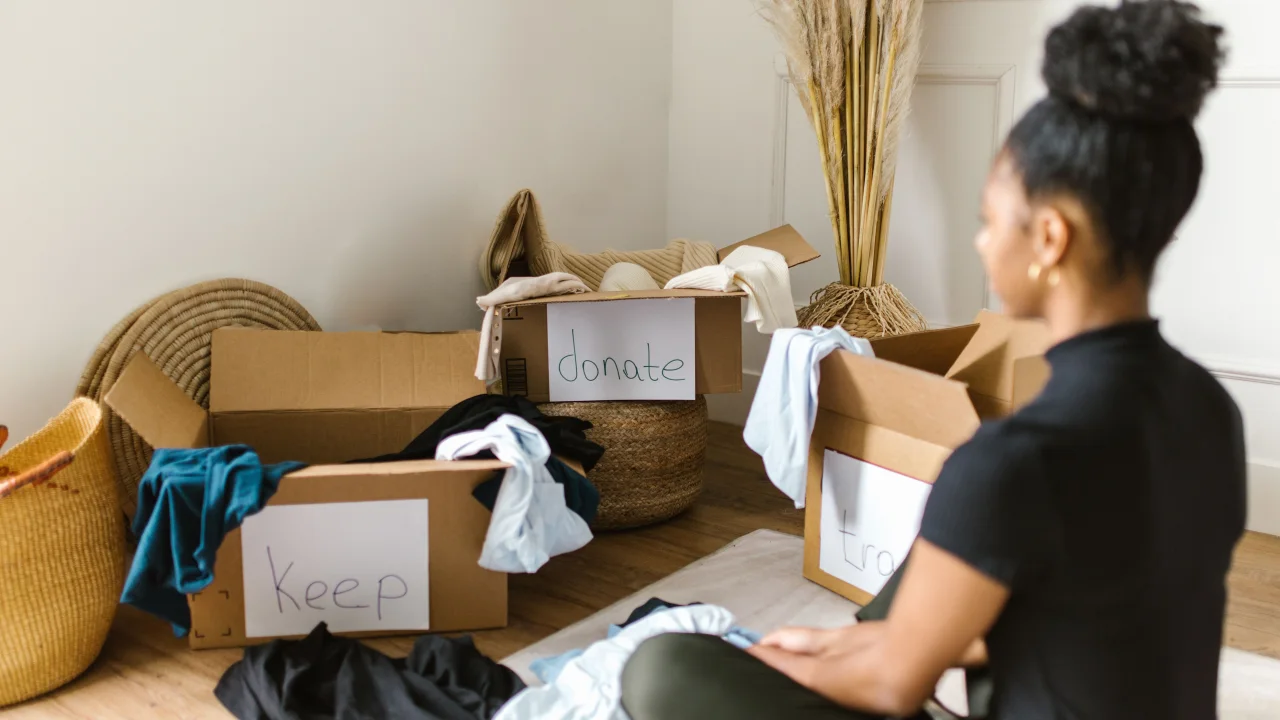
How to Curate a Capsule Wardrobe and Save Money on Clothes
The average person wears only 20% of their wardrobe 80% of the time. The rest sits unworn, taking up closet space and representing money that could have been saved. A capsule wardrobe solves this problem by paring down your clothing to a small set of versatile, high-quality pieces that all work together.
Comments
0 commentsNo approved comments are visible yet. New community replies may wait for moderation.