5 Morning Habits That Will Double Your Productivity
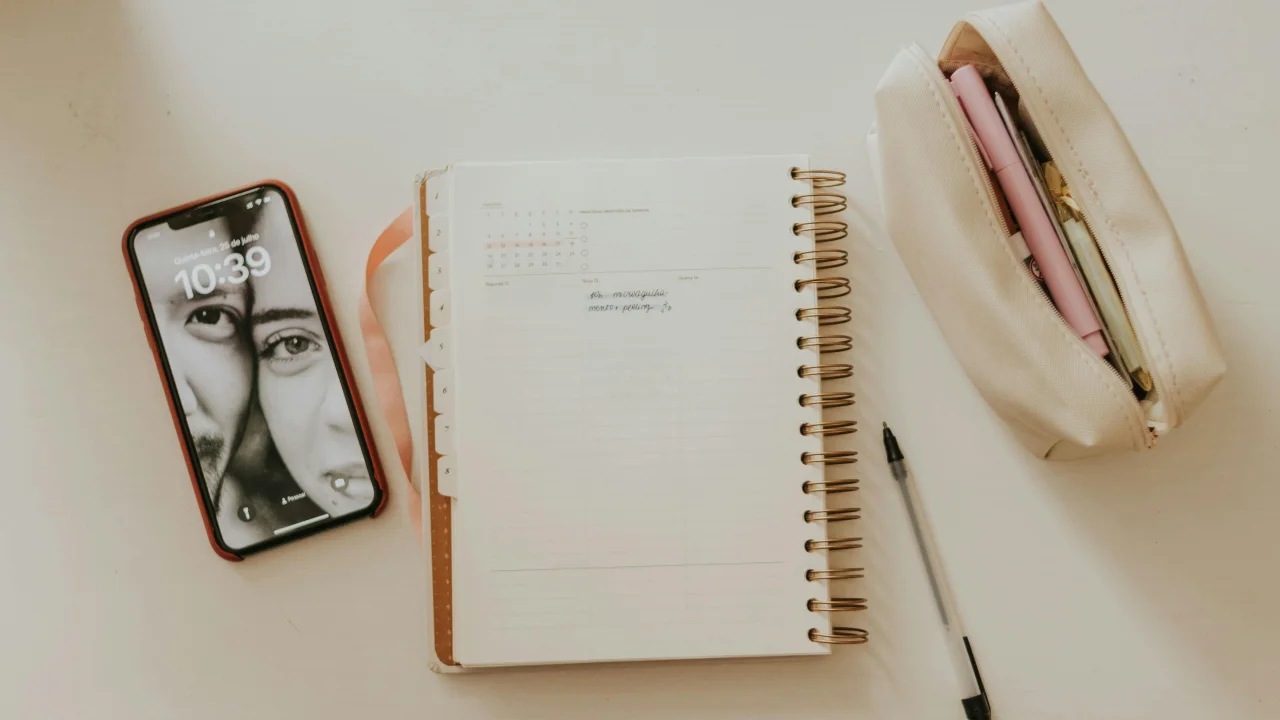
The way you start your morning sets the tone for the entire day. High performers across every field—from CEOs to athletes—swear by specific morning rituals that prime their brains for peak output. The science is clear: the first 60 minutes after waking offer a unique window where your prefrontal cortex is most receptive, cortisol levels are naturally elevated, and willpower is at its daily peak.
The way you start your morning sets the tone for the entire day. High performers across every field—from CEOs to athletes—swear by specific morning rituals that prime their brains for peak output. The science is clear: the first 60 minutes after waking offer a unique window where your prefrontal cortex is most receptive, cortisol levels are naturally elevated, and willpower is at its daily peak.
This article walks you through five research-backed morning habits. Implement all five and you will not just get more done—you will fundamentally change the relationship you have with your own time.
Habit 1: The 90-Minute No-Phone Window
Why it works: Every notification, email, and social media scroll triggers a dopamine spike that fragments your attention. When you check your phone within the first few minutes of waking, you train your brain to operate in a reactive mode rather than a proactive one. Research from the Journal of Experimental Psychology shows that even a three-second interruption can double your error rate on a subsequent task.
How to implement it:
| Step | Action | Duration |
|---|---|---|
| 1 | Place your phone in another room overnight | Setup |
| 2 | Use a dedicated analog alarm clock | Setup |
| 3 | Upon waking, do not reach for any screen | 0–90 min |
| 4 | Engage in low-stimulation activities instead | 90 min |
What to do instead:
- Read a physical book
- Stretch or foam roll
- Sit in silence with a cup of tea or coffee
- Write in a journal
- Go for a short walk outside
Example: Sarah, a product manager at a SaaS company, implemented this habit after years of waking up to Slack messages. Within two weeks, she reported a 40% reduction in morning anxiety and the ability to complete her most important task before 10 a.m.—something that previously took until lunchtime.
Habit 2: Cold Exposure (The 3-Minute Cold Shower)
Why it works: Cold exposure triggers a massive release of norepinephrine, a neurotransmitter that sharpens focus, improves mood, and increases alertness. A 2022 study published in Current Biology found that cold water immersion increased dopamine levels by 250% and sustained elevated mood for several hours. The deliberate discomfort also builds mental resilience—the ability to do hard things even when you don't want to.
How to do it safely:
- Start your shower at your normal warm temperature
- After 2 minutes, gradually turn the dial toward cold
- Stand under the cold water for 30 seconds on day one
- Each day, add 10–15 seconds until you reach 3 minutes
- Focus on slow, deep breathing throughout
Beginner tips:
- Use the Wim Hof breathing method (30 rapid breaths followed by a breath hold) immediately before
- Keep a towel within arm's reach
- End with a brief warm rinse if needed
- If you have a heart condition, consult your doctor first
Habit 3: The 5-Minute Morning Pages Brain Dump
Why it works: Morning pages—a concept popularized by Julia Cameron—involves writing three pages of stream-of-consciousness thoughts immediately after waking. This practice clears mental clutter, surfaces subconscious worries, and creates mental bandwidth for deep work.
The modified version for productivity:
Instead of three full pages, use this structured 5-minute version:
- Minutes 1–2: Write everything on your mind—worries, to-dos, random thoughts. Do not censor or edit.
- Minutes 3–4: Identify the single most important task for today. Ask yourself: If I accomplish only one thing today, what will make the rest of the day a success?
- Minute 5: Write down one affirmation or intention for the day.
Example template:
Morning Pages — [Date]

What's on my mind:
I'm worried about the presentation. I feel behind on the budget report. I keep thinking about that conversation with Mark. I need to buy groceries. I'm excited about the weekend trip.

Most important task:
Finalize the Q3 budget report and send to finance.

Today's intention:
I will stay focused and not check email before noon.
Habit 4: Movement Before Caffeine
Why it works: Caffeine works by blocking adenosine receptors—the neurochemical that makes you feel tired. However, when you consume caffeine before moving your body, you miss a key biological signal. Exercise naturally increases cortisol and adrenaline, which improves alertness. When you then consume caffeine, the effects are synergistic rather than antagonistic.
The optimal sequence:
| Time | Activity |
|---|---|
| 0–10 min | Wake up, hydrate with 16 oz water |
| 10–25 min | Light movement (walking, yoga, bodyweight exercises) |
| 25–30 min | Cool down, prepare coffee or tea |
| 30+ min | Consume caffeine with breakfast |
Best morning movements (choose one):
- 10-minute yoga flow: Downward dog, cat-cow, sun salutations
- 15-minute walk: Brisk walking outside (bonus: morning sunlight resets your circadian rhythm)
- 7-minute HIIT: Burpees, jumping jacks, mountain climbers, squats
- 10 minutes of stretching: Hamstrings, hips, shoulders, spine
Habit 5: Eat the Frog (Priority Task First)
Why it works: Mark Twain once said, "Eat a live frog first thing in the morning, and nothing worse will happen to you the rest of the day." Your willpower is highest in the morning. Every decision you make throughout the day depletes your mental energy. By tackling your hardest task first, you leverage your peak cognitive state.
How to implement:
- Identify the frog: The night before, decide on the one task that will have the greatest positive impact on your goals but also the one you are most likely to procrastinate on.
- Block the time: Schedule 90 minutes of uninterrupted focus for this task first thing.
- Prepare the environment: Have everything you need ready the night before—documents open, materials on your desk, water nearby.
- Use a timer: Work in 25-minute Pomodoro sessions with 5-minute breaks.
- No context switching: Do not check email, messages, or social media until the frog is fully eaten.
Example table of frogs vs. non-frogs:
| Frog (must do first) | Non-frog (can wait) |
|---|---|
| Write the proposal draft | Respond to routine emails |
| Review the quarterly numbers | Organize your desktop folders |
| Have the difficult conversation | Attend the optional stand-up meeting |
| Complete the creative deliverable | Read industry news |
Putting It All Together: Your New Morning Routine
Here is what an ideal morning looks like when you combine all five habits:
| Time | Activity | Habit |
|---|---|---|
| 6:00 AM | Wake up (no phone) | #1 |
| 6:00–6:05 | Morning pages | #3 |
| 6:05–6:20 | Cold shower | #2 |
| 6:20–6:35 | Walk or yoga | #4 |
| 6:35–6:45 | Breakfast + coffee | #4 |
| 6:45–8:15 | Deep work on priority task | #5 |
A note on habit stacking: You do not need to implement all five habits overnight. Pick one habit and practice it consistently for two weeks. Then add the next. Research from the European Journal of Social Psychology suggests it takes an average of 66 days for a new behavior to become automatic.
Common Obstacles and Solutions
| Obstacle | Solution |
|---|---|
| "I'm not a morning person." | Start by waking up 15 minutes earlier each week. Pair with early sunlight exposure. |
| "I don't have time for all this." | The entire routine takes 90 minutes. Wake up earlier and reclaim the time. |
| "I tried cold showers and hated them." | Start with a 30-second cold rinse at the end of a warm shower. |
| "I can't stop checking my phone." | Use an analog alarm clock and charge your phone in the kitchen. |
| "I never know what my frog is." | Write down your top priority before leaving work the previous day. |
Final Thoughts
Productivity is not about doing more—it is about doing what matters. These five morning habits are not a one-size-fits-all prescription; they are a toolkit. Experiment, adapt, and find what works for your body and your life. The goal is not perfection but progress. Show up tomorrow morning and do the work. Your future self will thank you.
Featured Articles

How to Stay Motivated When You Feel Like Giving Up
Motivation is not a constant. It ebbs and flows. Some days you wake up ready to conquer the world. Other days, getting out of bed feels like a win. The difference between people who succeed and those who give up is not that successful people never feel like quitting—it is that they have systems in place to keep going even when motivation is absent.
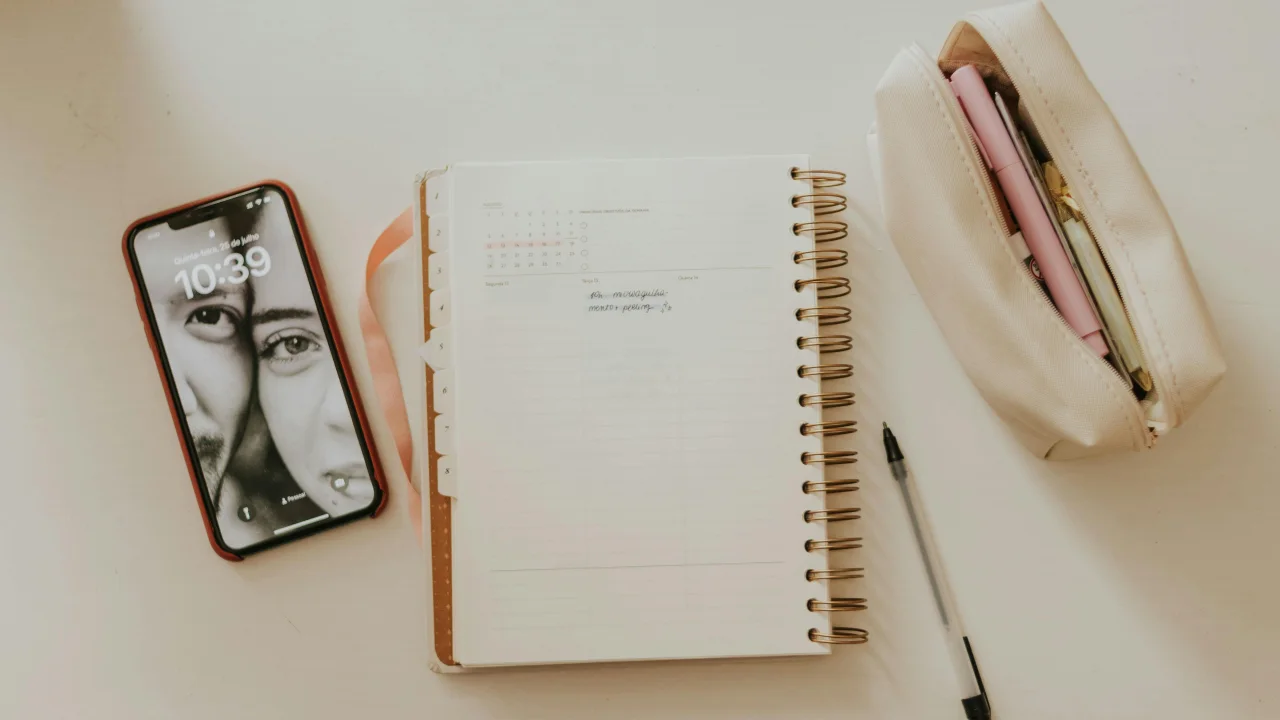
The Best Apps for Habit Tracking and Goal Setting
Building habits is hard. Tracking them makes it easier. Research from the American Psychological Association shows that monitoring your behavior increases self-awareness and improves follow-through. The right app can be the difference between a habit that sticks and one that fades after three days.
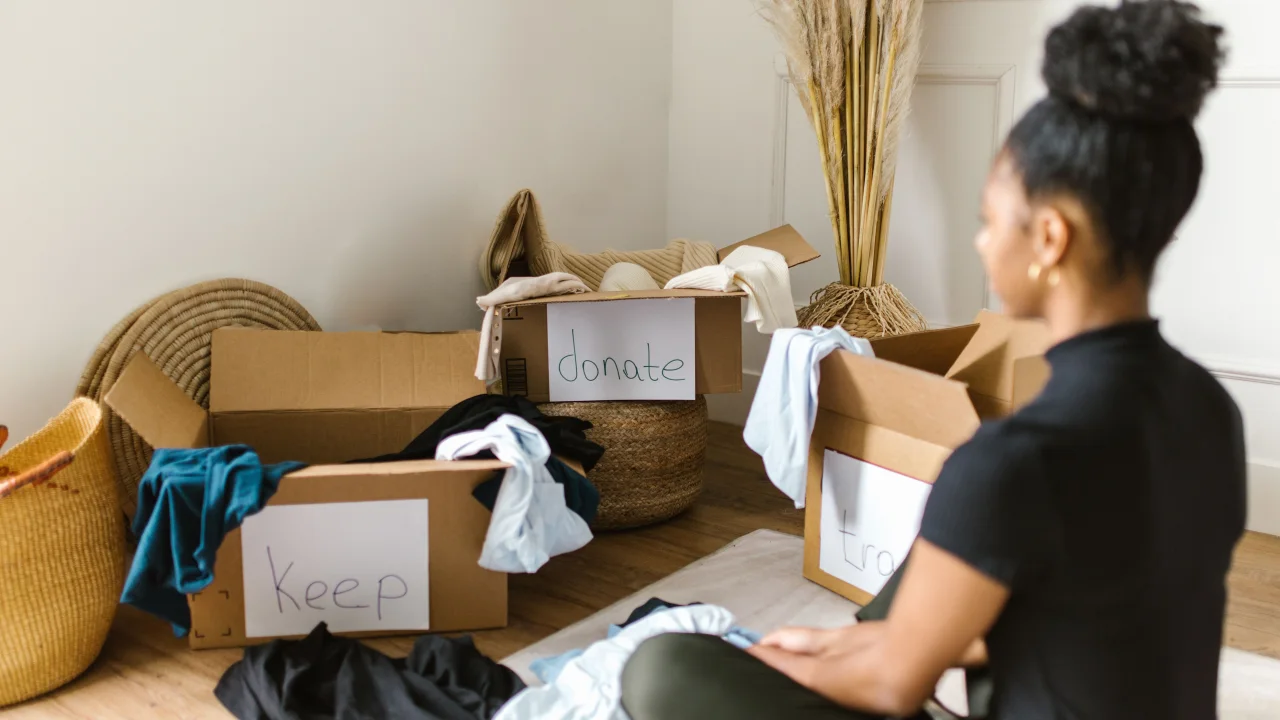
How to Curate a Capsule Wardrobe and Save Money on Clothes
The average person wears only 20% of their wardrobe 80% of the time. The rest sits unworn, taking up closet space and representing money that could have been saved. A capsule wardrobe solves this problem by paring down your clothing to a small set of versatile, high-quality pieces that all work together.
Comments
0 commentsNo approved comments are visible yet. New community replies may wait for moderation.