How to Setup a Smart Home from Scratch
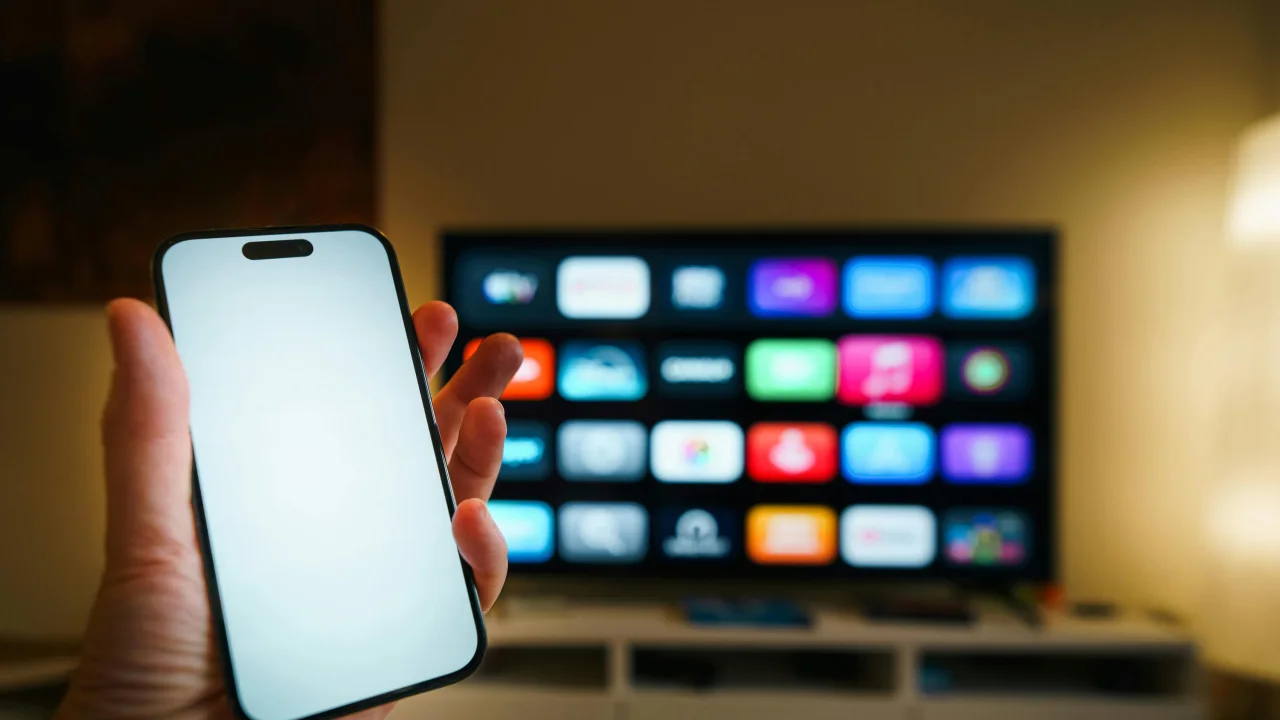
Everything in your smart home needs to talk to each other. Pick one ecosystem:
The Foundation: Start Here
Step 0: Choose Your Ecosystem
Everything in your smart home needs to talk to each other. Pick one ecosystem:
| Ecosystem | Best For | Voice Assistant | Starter Hub |
|---|---|---|---|
| Apple HomeKit | Apple users, privacy-focused | Siri | Apple TV or HomePod |
| Google Home | Android users, Google services | Google Assistant | Nest Hub or Nest Mini |
| Amazon Alexa | Largest device compatibility | Alexa | Echo Dot or Echo Show |
| Home Assistant | Tech enthusiasts, total control | Multiple | Raspberry Pi or NUC |
Recommendation for beginners: Start with Google Home or Amazon Alexa. They have the widest device support and the easiest setup.
Stage 1: Core Essentials (< $300)
Smart Speaker
Your voice assistant and hub. Place it in a central location.
- Budget: Echo Dot ($30) or Nest Mini ($30)
- Better: Echo Show 8 ($80) or Nest Hub ($70)
Smart Lights
Replace your most-used lights with smart bulbs or switches.
- Philips Hue Starter Kit ($70) — Most reliable ecosystem
- Kasa Smart Bulbs ($20 each) — Cheaper, no hub needed
- Govee ($15 each) — Budget option with good app
Start with: living room, bedroom, and entryway lights.
Smart Plug
Turn any dumb device into a smart one.
- Kasa Smart Plug HS103 ($10 each) — Reliable and cheap
- TP-Link Tapo ($8 each) — Even cheaper
Use for: lamps, fans, coffee makers, space heaters.
Total Stage 1: ~$150-200
Stage 2: Comfort and Convenience ($300-600)
Smart Thermostat
Saves money on heating and cooling.
- Google Nest Thermostat ($130) — Learning, auto-schedule
- ecobee Smart Thermostat Premium ($180) — Works with HomeKit, built-in speaker
- Budget: Amazon Smart Thermostat ($60)
Installation requires a C-wire. Check your furnace before buying.
Smart Security Camera
- Ring Video Doorbell ($100) — See who is at your door
- Eufy Cam ($60) — No monthly fees (local storage)
- Wyze Cam v3 ($30) — Incredible value
Smart Lock
- Level Lock+ ($230) — Works with Apple Home, uses existing key
- August Wi-Fi Smart Lock ($200) — Easy installation
- Wyze Lock ($100) — Budget option
Important: Keep a physical key somewhere. Smart locks can fail.
Stage 3: Expansion ($600+)
| Device | Price | Why |
|---|---|---|
| Smart blinds | $150+ | Morning routine automation |
| Robot vacuum | $300-800 | Daily cleaning on autopilot |
| Smart sprinkler | $100-200 | Weather-adjusted watering |
| Smoke/CO alarm | $50-120 | Smart alerts to your phone |
| Water leak sensor | $20-40 | Early detection of leaks |
| Motion sensor | $15-30 | Trigger automations by presence |
| Smart garage opener | $30-50 | Close garage from anywhere |
Setting Up Automations
Automations are where the magic happens. In your ecosystem app:
Beginner Automations
"Good Morning" (7:00 AM):
  → Lights in bedroom turn on gradually (10% → 100% over 15 min)
  → Thermostat sets to 72°F
  → Coffee maker turns on (via smart plug)
  → "Good morning" plays on speaker

"Good Night" (10:30 PM):
  → All lights turn off
  → Thermostat sets to 65°F
  → All doors locked (verify with sensor)
  → Cameras arm

"Leave Home":
  → All lights off
  → Thermostat to eco mode (62°F)
  → Vacuum starts cleaning
  → Camera record mode on
Intermediate Automations
"Arrive Home" (when phone connects to WiFi):
  → Unlock front door (if after sunset, only with phone presence)
  → Turn on entryway light
  → Set thermostat to home mode
  → Disarm security cameras

"Movie Time" (voice command):
  → Dim living room lights to 20%
  → Turn off kitchen lights
  → Lower blinds
  → Turn on TV (via IR blaster or smart plug)

"Out of Bedroom" (no motion for 5 min after 10 PM):
  → Turn off bedroom lights
  → Turn on hallway night light
  → Confirm front door is locked
Common Mistakes
-
Too many ecosystems — Lights from one brand, plugs from another, hub from a third. Nothing talks to each other. Pick one ecosystem.
-
WiFi overload — 20+ devices on a cheap router causes chaos. Upgrade to a mesh WiFi system (Eero, TP-Link Deco) for smart homes with 15+ devices.
-
Skipping the hub — Bluetooth-only devices drop connection. Buy devices that support WiFi or use a Zigbee/Z-Wave hub.
-
Forgetting guests — A light that only responds to voice is confusing for guests. Install physical switches or use presence sensors.
-
Security neglect — A smart lock is useless if you leave the key under the mat, literally or digitally. Use 2FA on your smart home accounts.
Starter Shopping List
Total: ~$250 for a complete starter setup
| Item | Cost |
|---|---|
| Amazon Echo Dot or Nest Mini | $30 |
| 3x Smart bulbs (Govee/Kasa) | $45 |
| 2x Smart plugs (Kasa) | $20 |
| Smart thermostat (Amazon or Nest) | $60-130 |
| Wyze Cam v3 | $30 |
| Total | $185-255 |
Conclusion
Building a smart home is not about buying everything at once. Start with one room, one problem you want to solve (lighting, temperature, security), and expand. The goal is not a house full of gadgets — it is a home that anticipates your needs and simplifies your routines.
Featured Articles
The 10 Largest Frontend Performance Challenges in 2026 (And How to Fix Them)

Should I Use React or Next.js? Complete Comparison Guide 2026

Build an Offline-First SaaS with Laravel & React: Complete PWA Tutorial 2026
Comments
0 commentsNo approved comments are visible yet. New community replies may wait for moderation.