What Is Blockchain Technology? Meaning, Examples, and Overview
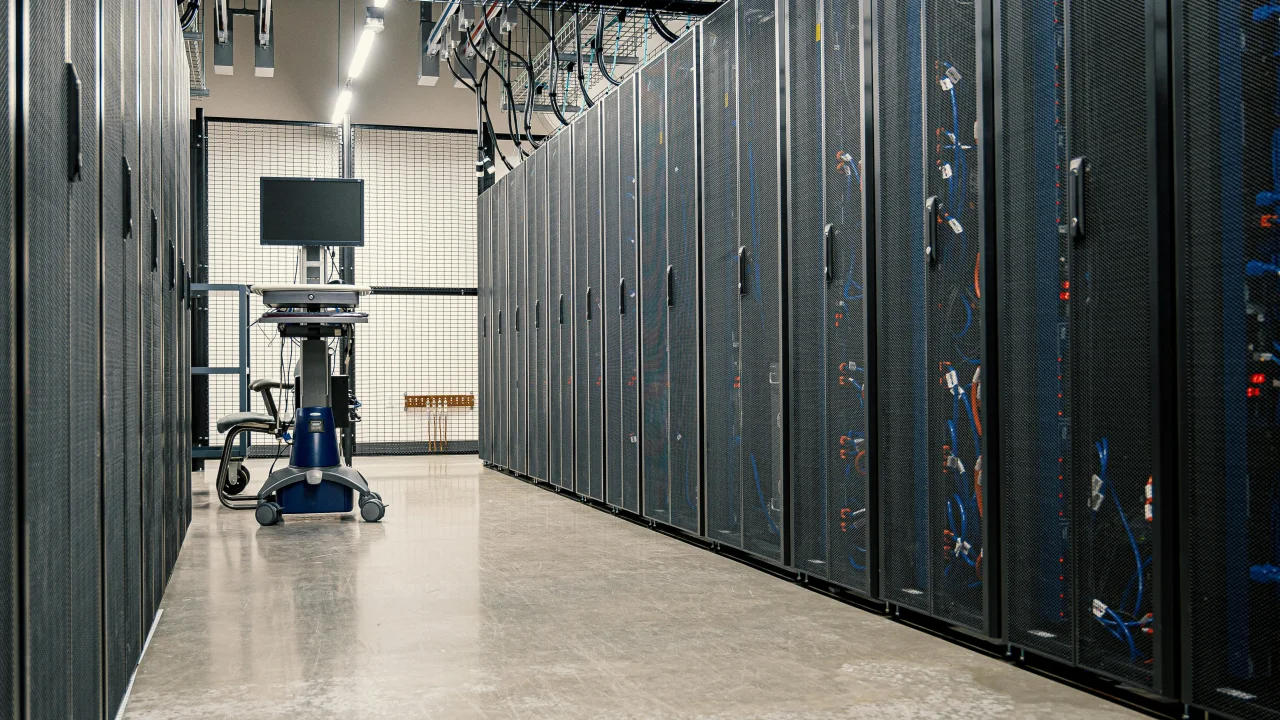
Think of it like a Google Doc that everyone can see, anyone can verify, but nobody can edit without everyone else knowing.
The Simple Explanation
Blockchain is a digital record book (ledger) that is shared across many computers. Once information is recorded, it cannot be changed without the agreement of everyone on the network.
Think of it like a Google Doc that everyone can see, anyone can verify, but nobody can edit without everyone else knowing.
How It Works
The "Block" Part
Data is grouped into blocks. Each block contains:
- A list of transactions or records
- A timestamp
- A unique fingerprint (hash) of the block
- The hash of the previous block
Block 1 (Genesis Block)
┌──────────────────────┐
│ Data: "Alice sends   │
│   $10 to Bob"        │
│ Timestamp: 12:00:00  │
│ Hash: 4F2A...        │
│ Previous Hash: 0000  │
└──────────┬───────────┘
           │
Block 2    │
┌──────────▼───────────┐
│ Data: "Bob sends     │
│   $5 to Charlie"     │
│ Timestamp: 12:05:00  │
│ Hash: 8B3D...        │
│ Previous Hash: 4F2A..│
└──────────┬───────────┘
           │
Block 3    │
┌──────────▼───────────┐
│ Data: "Charlie sends │
│   $2 to Alice"       │
│ Timestamp: 12:10:00  │
│ Hash: C1E9...        │
│ Previous Hash: 8B3D..│
└──────────────────────┘
The linking of blocks via previous hash creates a chain — hence "blockchain." Changing one block would require changing every subsequent block, which is computationally impossible on a large network.
The "Chain" Part
Every computer on the network (called a node) has a copy of the entire blockchain. When a new block is added:
- The new block is broadcast to all nodes
- Each node independently verifies the block
- If valid, nodes add it to their copy
This means there is no central database to hack. An attacker would need to control more than 50% of the network's computing power — impractical for any established blockchain.
Key Concepts
Decentralization
No single person, company, or government controls the blockchain. It is maintained by thousands of independent computers worldwide.
Immutability
Once data is written to a blockchain, it cannot be changed. This makes it ideal for records that must be trustworthy — land titles, supply chains, voting.
Consensus
Before a block is added, network participants must agree it is valid. Different blockchains use different consensus methods:
| Method | How It Works | Energy Use | Example |
|---|---|---|---|
| Proof of Work (PoW) | Computers solve complex math puzzles | Very high | Bitcoin |
| Proof of Stake (PoS) | Validators stake their own coins | Low | Ethereum 2.0 |
| Delegated PoS | Users vote for validators | Low | EOS, TRON |
| Proof of Authority | Approved validators only | Minimal | Private blockchains |
Real-World Applications
1. Cryptocurrency (Bitcoin, Ethereum)
The original use case. Digital money that no government controls and no bank can freeze.
2. Supply Chain Tracking
Walmart tracks food from farm to store. If there is a contamination issue, they can trace the source in seconds instead of days.
3. Smart Contracts
Programs that execute automatically when conditions are met:
// A simple insurance smart contract
if (weather_oracle.temperature > 40) {
    payout_farmers(farmer_list, 1000);
}
No human involvement needed. If the temperature exceeds 40°C, farmers are automatically paid.
4. Digital Identity
Your passport, driver's license, and medical records on a blockchain — controlled by you, not a government or corporation.
5. NFTs (Non-Fungible Tokens)
Digital ownership certificates for art, music, collectibles, and in-game items.
6. Healthcare Records
Patients control access to their medical history. Hospitals request permission to view it. Immutable audit trail of every access.
Common Misconceptions
| Misconception | Reality |
|---|---|
| "Blockchain is Bitcoin" | Bitcoin is one application of blockchain. Blockchain is the underlying technology. |
| "Blockchain is completely anonymous" | Most blockchains are pseudonymous (your wallet address is public, your real name is not) |
| "Blockchain can never be hacked" | No system is unhackable. But blockchain is extremely resistant to tampering. |
| "All blockchains are slow" | Bitcoin processes 7 transactions/second. Solana does 2,000+. Speed varies widely. |
| "Blockchain is a database" | It is a ledger. You cannot query it like a database. Different purpose. |
Limitations
| Problem | Why | Progress |
|---|---|---|
| Scalability | Bitcoin: 7 TPS, Visa: 24,000 TPS | Layer 2 solutions (Lightning Network) help |
| Energy use | Bitcoin PoW uses ~150 TWh/year | Ethereum switched to PoS (99.9% less energy) |
| Regulation | Unclear laws in most countries | EU has MiCA; US is still developing rules |
| User experience | Private keys are unforgiving | Better wallets emerging (smart contract wallets) |
| Integration | Difficult to connect to existing systems | Middleware and APIs improving |
Does Every Problem Need a Blockchain?
Use blockchain when:
- Multiple parties who do not fully trust each other need to share data
- You need an immutable record of transactions
- You want to remove a central authority
Do NOT use blockchain when:
- A simple database works (most use cases)
- A trusted central authority already exists
- You need high performance (>10,000 TPS)
- Data must be editable or deletable
Getting Started
To buy cryptocurrency:
- Create an account on Coinbase, Kraken, or Binance
- Verify your identity
- Deposit money
- Buy Bitcoin or Ethereum
To use a dApp (decentralized app):
- Install a browser extension wallet (MetaMask)
- Buy some ETH on an exchange
- Send it to your wallet
- Visit a dApp like Uniswap or OpenSea
To learn blockchain development:
- Learn Solidity (Ethereum smart contracts)
- Use Remix IDE (browser-based development)
- Deploy to test networks (Sepolia, Goerli)
- Build a simple dApp
Conclusion
Blockchain is not a magic solution for every problem. It is a specific tool for specific use cases — where trust between untrusted parties is required, where immutability matters, and where decentralization provides value.
The technology is still early. Most applications beyond cryptocurrency are experimental. But the potential — supply chain transparency, self-sovereign identity, automated contracts — is genuinely transformative.
Bottom line: Understand what blockchain does well, what it does poorly, and apply it only where it makes sense.
Featured Articles

The 10 Largest Frontend Performance Challenges in 2026 (And How to Fix Them)
Should I Use React or Next.js? Complete Comparison Guide 2026

Build an Offline-First SaaS with Laravel & React: Complete PWA Tutorial 2026
Comments
0 commentsNo approved comments are visible yet. New community replies may wait for moderation.