10 Backyard Upgrades on a Budget: DIY Home Improvement
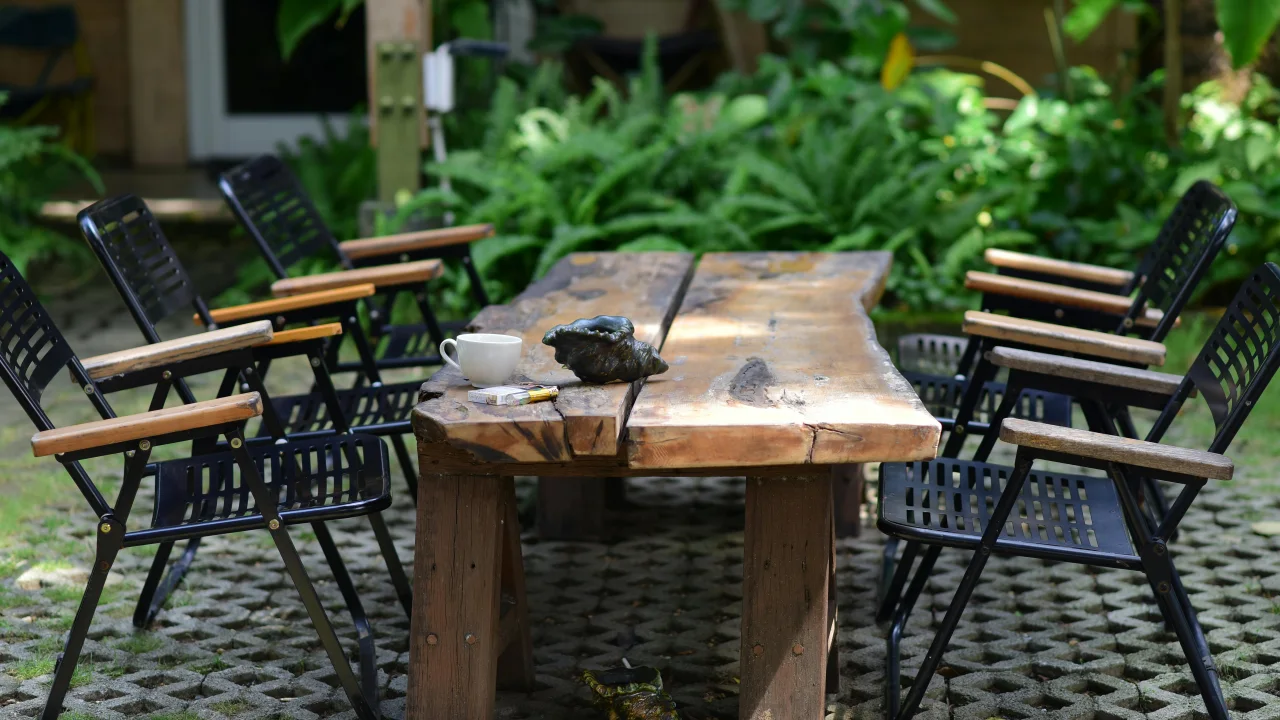
Your backyard has more potential than you think. Even a small outdoor space can become a relaxing retreat, an entertainment hub, or a productive garden. And you do not need thousands of dollars or professional contractors to make it happen.
Your backyard has more potential than you think. Even a small outdoor space can become a relaxing retreat, an entertainment hub, or a productive garden. And you do not need thousands of dollars or professional contractors to make it happen.
This article covers ten backyard upgrades you can complete in a weekend with basic tools and materials from the hardware store.
The Philosophy: Start Small, Think Long
| Principle | Why it matters |
|---|---|
| Prioritize impact over cost | The cheapest project is not always the best value |
| Do it right the first time | Cheap materials cost more in the long run |
| Work with what you have | Work around existing trees, slopes, and structures |
| Phase your projects | Do one upgrade at a time as your budget allows |
| Use free resources | Facebook Marketplace, Craigslist, Buy Nothing groups |
Project 1: Build a Paver Patio
Cost: $100–$400 Difficulty: Medium Time: 1–2 days
A paver patio instantly creates usable outdoor living space. It is far cheaper than poured concrete.
Materials needed:
| Item | Approx cost for 10x10 ft patio |
|---|---|
| Pavers (concrete or brick) | $80–$200 |
| Paver base (crushed stone) | $30–$50 |
| Sand | $10–$20 |
| Landscape fabric | $15–$25 |
| Edging | $20–$40 |
| Plate compactor (rental) | $40–$60/day |
Step-by-step:
- Mark the area with stakes and string
- Excavate 6–8 inches deep — remove sod and soil
- Add landscape fabric — prevents weeds from growing through
- Add 4 inches of paver base — tamp down with the plate compactor
- Add 1 inch of sand — screed it level using 2x4 boards
- Lay pavers — start in a corner, work outward
- Cut edge pavers — use a masonry blade or chisel
- Sweep sand into the gaps — lock the pavers in place
- Install edging — keeps pavers from shifting
Design tip: Use larger pavers (24x24 inches) for fewer cuts and a modern look. A simple running bond or herringbone pattern is easiest for beginners.
Project 2: DIY Raised Garden Beds
Cost: $30–$80 per bed Difficulty: Easy Time: 1–2 hours per bed
Raised beds improve drainage, reduce weeding, and make gardening accessible.
Materials (per 4x8 ft bed):
| Item | Approx cost |
|---|---|
| Untreated pine boards (2x8x8 ft, 3 boards) | $30–$45 |
| Deck screws (3-inch) | $8 |
| Landscape fabric (for bottom) | $5 |
| Soil mix (1.5 cubic yards for 4 beds) | $80–$120 |
Construction:
- Cut two boards to 8 ft (sides) and two to 4 ft (ends)
- Screw the corners together (pre-drill to prevent splitting)
- Place the frame on level ground
- Line the bottom with landscape fabric
- Fill with soil mix (1/3 topsoil, 1/3 compost, 1/3 perlite or vermiculite)
What to grow in your first season:
| Vegetable | Time to harvest | Difficulty |
|---|---|---|
| Lettuce | 30–45 days | Easy |
| Radishes | 25–30 days | Very easy |
| Tomatoes | 60–80 days | Medium |
| Zucchini | 50–60 days | Easy |
| Basil | 50–75 days | Easy |
| Green beans | 55–65 days | Easy |
Project 3: String Lights Ambiance
Cost: $30–$80 Difficulty: Easy Time: 1 hour
String lights instantly transform a dull patio or deck into a warm, inviting space.
Materials:
| Item | Cost |
|---|---|
| Weatherproof string lights (2–3 strands) | $20–$50 |
| Screw-in hooks or zip ties | $5–$10 |
| Outdoor extension cord | $10–$15 |
| Zip ties for securing | $3 |
Installation tips:
- Hang lights in a zigzag or "V" pattern for maximum coverage
- Space hooks 6–8 feet apart
- Use a timer or smart plug so lights turn on automatically
- Keep lights at least 7 feet off the ground
- Use LED lights (brighter, lower energy, last longer)
Pro tip: If you do not have a structure to hang from, install two 8-ft wooden posts with concrete footings. Total cost: $40–$60.
Project 4: Create a Fire Pit Area
Cost: $50–$150 Difficulty: Medium Time: 2–3 hours
A fire pit extends the usability of your yard into the cooler months.
Materials for a simple stone fire pit:
| Item | Cost |
|---|---|
| Retaining wall blocks (30–40 blocks) | $40–$80 |
| Gravel (for base) | $10–$20 |
| Fire ring insert (optional, metal) | $30–$50 |
| Paver stones for surround | $15–$30 |
Construction:
- Mark a circle (36–44 inches diameter) using string and a stake
- Excavate 4 inches deep within the circle
- Fill with 3 inches of gravel and compact
- If using a fire ring, place it in the center
- Stack blocks in a circle, offsetting seams
- Level each course before adding the next
- Build 3–4 courses high (18–24 inches)
Safety rules:
- Place fire pit at least 10 feet from structures and trees
- Check local fire codes before building
- Never use a fire pit on a wooden deck
- Keep a bucket of water or a hose nearby
- Cover the pit when not in use
Project 5: Mulch and Edge Flower Beds
Cost: $30–$80 Difficulty: Easy Time: 2–4 hours
Mulching is the single highest-impact, lowest-cost upgrade you can make.
The benefits of mulching:
| Benefit | How it helps |
|---|---|
| Weed suppression | Blocks sunlight from weed seeds |
| Moisture retention | Reduces watering needs by up to 50% |
| Temperature regulation | Keeps soil cooler in summer, warmer in winter |
| Soil improvement | Organic mulch breaks down into nutrients |
| Aesthetic appeal | Clean, uniform look |
Steps:
- Pull existing weeds (roots and all)
- Edge the bed with a half-moon edger or spade
- Remove 1–2 inches of old soil if bed has become flat
- Apply landscape fabric (optional but recommended)
- Spread 2–3 inches of mulch (don't pile against plant stems)
- Water lightly to settle the mulch
Mulch cost comparison:
| Type | Cost per cubic yard | Longevity |
|---|---|---|
| Hardwood bark | $30–$40 | 1–2 years |
| Cedar | $40–$60 | 2–3 years |
| Cypress | $30–$50 | 1–2 years |
| Rubber (recycled tire) | $80–$120 | 10+ years |
| Pine straw | $25–$35 | 6–12 months |
Project 6: Build a Simple Bench
Cost: $30–$60 Difficulty: Medium Time: 2–3 hours
A wooden bench adds seating and character. This design uses just three 2x4s.
Materials:
| Item | Quantity |
|---|---|
| Pressure-treated 2x4x8 ft | 3 |
| Deck screws (2.5 inch and 3 inch) | 1 box |
| Wood sealant or stain | $15 |
Basic design:
- Seat: Cut two 2x4s to 48 inches. Screw them side by side.
- Legs: Cut four 2x4s to 18 inches. Attach to the underside at each end.
- Braces: Cut two 2x4s to 12 inches. Attach diagonally between legs.
- Back rest (optional): Attach a 2x4 between two 24-inch vertical supports.
- Sand rough edges, apply sealant or stain.
Pro tip: Use a Kreg Jig for pocket holes to hide screws for a cleaner look.
Project 7: Vertical Herb Garden
Cost: $20–$50 Difficulty: Easy Time: 1–2 hours
A vertical garden uses wall space instead of ground space. Perfect for small yards, balconies, or patios.
Pallet garden (cheapest option):
- Find a wooden pallet (free from many stores)
- Staple landscape fabric to the back and bottom
- Fill with potting soil
- Plant herbs in the gaps between slats
- Lean against a wall or hang on heavy-duty hooks
Gutter garden:
- Mount sections of gutter horizontally on a fence or wall
- Drill drainage holes every 6 inches
- Fill with potting soil
- Plant herbs 6 inches apart
Best herbs for vertical gardens:
| Herb | Sun | Water | Uses |
|---|---|---|---|
| Basil | Full sun | Moderate | Pasta, pesto, salads |
| Mint | Partial shade | Moderate | Tea, cocktails, desserts |
| Thyme | Full sun | Low | Roasted vegetables, meats |
| Rosemary | Full sun | Low | Roasted potatoes, chicken |
| Chives | Full sun to partial | Moderate | Salads, soups, eggs |
| Cilantro | Partial shade | Moderate | Salsas, curries, garnishes |
Project 8: Build a Compost Bin
Cost: $10–$40 Difficulty: Easy Time: 30 minutes
Composting turns kitchen scraps and yard waste into free fertilizer. A simple bin keeps it contained.
Pallet bin (free option):
- Get 4 wooden pallets (free from hardware stores)
- Stand them on their edges in a square
- Secure corners with zip ties or screws
- Leave one side as a "door" (or just lift the pallet)
Wire mesh bin (cheapest option):
- Buy 10 ft of 4-ft-tall hardware cloth ($15–$20)
- Form into a cylinder, overlapping the ends
- Secure with zip ties or wire
- Place on bare soil (allows worms to enter)
What to compost:
| Yes (add) | No (avoid) |
|---|---|
| Fruit and vegetable scraps | Meat, bones, fish |
| Coffee grounds and filters | Dairy products |
| Eggshells (crushed) | Oily foods |
| Grass clippings | Diseased plants |
| Leaves | Weeds that have gone to seed |
| Shredded paper/cardboard | Pet waste |
| Wood chips | Glossy paper |
Project 9: Paint the Front Door
Cost: $20–$40 Difficulty: Easy Time: 2–3 hours (plus drying time)
A fresh coat of paint on your front door is the highest-ROI project on this list. It increases curb appeal instantly.
Steps:
- Remove the door hardware (handle, knocker, hinges)
- Clean the door with soap and water, let dry
- Sand lightly with 120-grit sandpaper
- Wipe away dust with a tack cloth
- Apply painter's tape around the frame and glass
- Apply primer (if changing color dramatically) or skip if same color family
- Paint with exterior-grade paint — use a roller for flat surfaces, brush for details
- Apply 2 coats, waiting 4 hours between coats
- Reinstall hardware after 24 hours
Best front door colors:
| Color | Vibe | Best for |
|---|---|---|
| Black | Elegant, modern | White, gray, or beige houses |
| Navy blue | Classic, welcoming | Brick or white houses |
| Red | Traditional, bold | Gray or beige houses |
| Yellow | Cheerful, unique | Blue or gray houses |
| Sage green | Calm, natural | White or brown houses |
| Charcoal gray | Sleek, contemporary | Wood or stone houses |
Project 10: Install a Rain Barrel
Cost: $50–$100 Difficulty: Easy Time: 1 hour
Rain barrels collect water from your roof for use in your garden. They reduce your water bill and conserve a precious resource.
Materials:
| Item | Cost |
|---|---|
| 50-gallon rain barrel | $50–$80 |
| Divert kit (connects to downspout) | $15–$20 |
| Cinder blocks or concrete pavers (to raise barrel) | $5–$10 |
| Spigot (if not inluded with barrel) | $5–$10 |
Inatalation:
- Place the barrel on a level surface (raised on blocks for gravity flow)
- Cut your downspout 6 inches above the barrel height
- Instal the diverter or cut the downspout to direct water into the barrel
- Conect the overflow hose (directs excess water away from the foundation)
- Attach a spigot at the bottom of the barrel
Water collection potential:
| Roof area | 1 inch of rain yields |
|---|---|
| 500 sq ft | 310 gallons |
| 1,000 sq ft | 620 gallons |
| 2,000 sq ft | 1,240 gallons |
Budget Summary
| Project | Cost | Difficulty | Time | Impact |
|---|---|---|---|---|
| Paver patio | $100–$400 | Medium | 1–2 days | ★★★★★ |
| Raised garden beds | $30–$80 | Easy | 1–2 hrs | ★★★★ |
| String lights | $30–$80 | Easy | 1 hr | ★★★★★ |
| Fire pit | $50–$150 | Medium | 2–3 hrs | ★★★★ |
| Mulch and edge | $30–$80 | Easy | 2–4 hrs | ★★★★ |
| Wooden bench | $30–$60 | Medium | 2–3 hrs | ★★★ |
| Vertical herb garden | $20–$50 | Easy | 1–2 hrs | ★★★ |
| Compost bin | $10–$40 | Easy | 30 min | ★★★ |
| Paint front door | $20–$40 | Easy | 2–3 hrs | ★★★★★ |
| Rain barrel | $50–$100 | Easy | 1 hr | ★★★ |
Total for all 10 projects: $370–$1,080
Final Thoughts
Your backyard does not need a full renovation to become a space you love. Pick one project from this list, commit to completing it this weekend, and enjoy the results. Then pick another. Over a few months, you will have transformed your outdoor space for a fraction of the cost of a professional remodel.
Start with the front door paint or the string lights—the highest impact per dollar. The momentum from that first win will carry you through the rest.
Featured Articles

How to Master the Art of Public Speaking for Introverts
Public speaking is widely cited as one of the greatest fears people face—ranking above death in some studies. For introverts, the prospect of standing in front of a room full of people can feel especially daunting. The good news: introverts often make exceptional public speakers. You are naturally reflective, prepared, and empathetic to your audience.

The Best Travel Destinations for Solo Travelers on a Budget
Solo travel is one of the most transformative experiences you can have. You set your own schedule, make decisions on the fly, and meet people you would never talk to if you were traveling with a friend. The common objection is cost—but solo travel can actually be cheaper than group travel when you choose the right destinations.

What Is a Good Conversion Rate for Facebook Ads?
"What's a good conversion rate for Facebook Ads?" is one of the most common questions in digital marketing. The answer is rarely straightforward because conversion rates vary dramatically by industry, ad format, audience targeting, and conversion type.
Comments
0 commentsNo approved comments are visible yet. New community replies may wait for moderation.