Verteiltes SQL und NewSQL: Die nächste Generation von Datenbanken
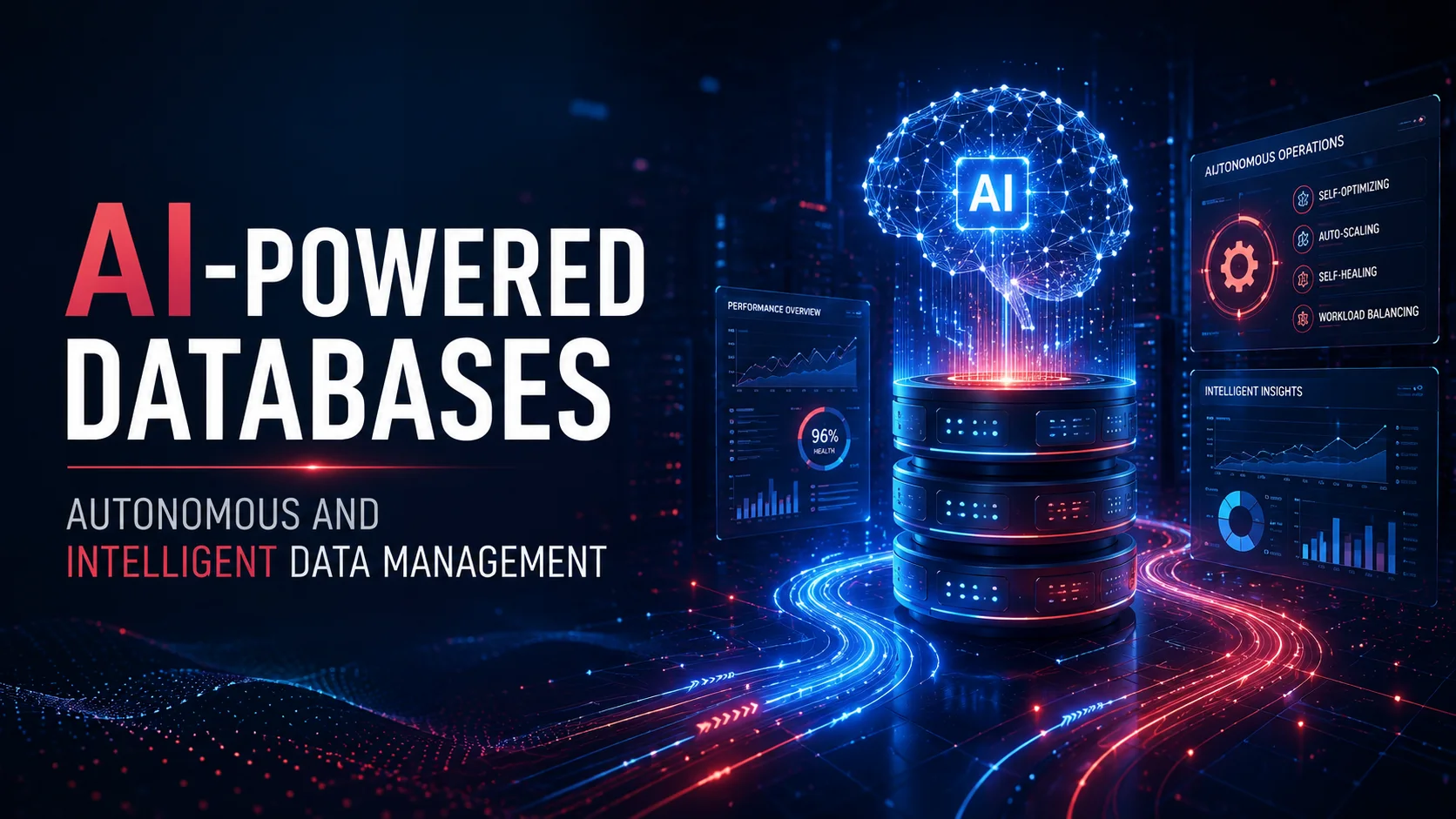
Jahrzehntelang war die Datenbankwelt in zwei Lager gespalten: **relationale Datenbanken** (PostgreSQL, MySQL) mit starker Konsistenz, aber begrenzter Skalierbarkeit und **NoSQL-Datenbanken** (MongoDB, Cassandra) mit horizontaler Skalierbarkeit, aber schwächerer Konsistenz und eingeschränkten Abfragemöglichkeiten.
Einführung
Jahrzehntelang war die Datenbankwelt in zwei Lager gespalten: relationale Datenbanken (PostgreSQL, MySQL) mit starker Konsistenz, aber begrenzter Skalierbarkeit und NoSQL-Datenbanken (MongoDB, Cassandra) mit horizontaler Skalierbarkeit, aber schwächerer Konsistenz und eingeschränkten Abfragemöglichkeiten.
Distributed SQL (auch NewSQL genannt) schließt diese Lücke. Es bietet die volle Leistungsfähigkeit von SQL – ACID-Transaktionen, Joins, Fremdschlüssel und vertraute Tools – auf einer horizontal skalierbaren, verteilten Architektur. Das Ergebnis: die Konsistenz und Abfrageleistung einer relationalen Datenbank mit der Skalierbarkeit von NoSQL.
Das Datenbankspektrum
Strong Consistency
        ▲
        │           ┌───────────────────────┐
        │           │  Distributed SQL      │
        │           │  (CockroachDB,        │
        │           │   YugabyteDB,         │
        │           │   Google Spanner)     │
        │           └───────────────────────┘
        │
        │    ┌──────────────┐     ┌──────────────────┐
        │    │  Traditional │     │  Traditional      │
        │    │  SQL         │     │  NewSQL           │
        │    │  (PostgreSQL,│     │  (Vitess, TiDB)   │
        │    │   MySQL)     │     │                   │
        │    └──────────────┘     └──────────────────┘
        │
        │                              ┌──────────────────┐
        │                              │  NoSQL           │
        │                              │  (Cassandra,     │
        │                              │   DynamoDB,      │
        │                              │   CosmosDB)      │
        │                              └──────────────────┘
        └────────────────────────────────────────────────────
                              Horizontal Scalability  ──────►
Was ist verteiltes SQL?
Kernmerkmale
| Funktion | Beschreibung |
|---|---|
| SQL-Schnittstelle | Vollständige SQL-Unterstützung: JOINs, Unterabfragen, Aggregationen, Fensterfunktionen |
| ACID-Transaktionen | Serialisierbare oder Snapshot-Isolation über Knoten hinweg |
| Horizontale Skalierung | Fügen Sie Knoten ohne Ausfallzeit hinzu, die Daten werden automatisch neu ausgeglichen |
| Auto-Sharding | Daten werden automatisch über Knoten verteilt |
| Replikation | Synchrone Replikation für Haltbarkeit (RPO=0) |
| Hohe Verfügbarkeit | Automatisches Failover, kein manueller Eingriff |
| Geoverteilung | Daten können mehrere Regionen mit einer Latenz von < 50 ms umfassen |
Verteilte SQL-Architekturen
Google Spanner – Der Pionier
┌──────────────────────────────────────────┐
│         Spanner Global Architecture       │
├──────────────────────────────────────────┤
│  Zone 1 (us-east1)   Zone 2 (europe-west)│
│  ┌──────────────┐    ┌──────────────┐    │
│  │ Leader Node  │    │ Follower Node│    │
│  │   ┌────────┐ │    │              │    │
│  │   │ Spanner│ │    │              │    │
│  │   │ Server │ │    │              │    │
│  │   └────────┘ │    │              │    │
│  └──────────────┘    └──────────────┘    │
├──────────────────────────────────────────┤
│          TrueTime API (GPS + Atomic)     │
│          Clock synchronization < 7ms     │
└──────────────────────────────────────────┘
Schlüsselinnovation: TrueTime API – GPS- und Atomuhrsynchronisation, die eine begrenzte Uhrenunsicherheit bietet. Dies ermöglicht externe Konsistenz (Linearisierbarkeit) über global verteilte Knoten hinweg.
CockroachDB – Spanner-inspirierte Open Source
                     ┌─────────────────────────┐
                     │    SQL Gateway          │
                     │  (Any node can serve)   │
                     └──────────┬──────────────┘
                                │
         ┌──────────────────────┼──────────────────────┐
         │                      │                      │
   ┌─────▼─────┐          ┌─────▼─────┐          ┌─────▼─────┐
   │  Node 1   │          │  Node 2   │          │  Node 3   │
   │ ┌───────┐ │          │ ┌───────┐ │          │ ┌───────┐ │
   │ │ Range A│ │          │ │ Range A│ │          │ │ Range A│ │
   │ │ (LEADER)│          │ │(FOLLOWER│          │ │(FOLLOWER│ │
   │ └───────┘ │          │ └───────┘ │          │ └───────┘ │
   │ ┌───────┐ │          │ ┌───────┐ │          │ ┌───────┐ │
   │ │ Range B│ │          │ │ Range B│ │          │ │ Range B│ │
   │ │(FOLLOWER│          │ │ (LEADER)│          │ │(FOLLOWER│ │
   │ └───────┘ │          │ └───────┘ │          │ └───────┘ │
   └───────────┘          └───────────┘          └───────────┘
So funktioniert CockroachDB:
- Die Daten werden in Bereiche aufgeteilt (standardmäßig 64 MB, ähnlich den Aufteilungen von Spanner).
- Jeder Bereich wird 3x (konfigurierbar) über Knoten hinweg repliziert.
- Ein Replikat ist der Leaseholder (verwaltet Lese- und Schreibvorgänge).
- Raft-Konsens sorgt für Konsistenz über Replikate hinweg.
- Jeder Knoten kann Abfragen bedienen – das SQL-Gateway leitet an den richtigen Bereich weiter.
YugabyteDB – PostgreSQL-kompatibel
YugabyteDB ist für PostgreSQL-Kompatibilität auf Wire-Protokollebene konzipiert:
-- This is standard PostgreSQL syntax — it just works
CREATE TABLE orders (
    id UUID DEFAULT gen_random_uuid(),
    customer_id UUID NOT NULL,
    total NUMERIC(10,2) NOT NULL,
    status TEXT NOT NULL DEFAULT 'pending',
    created_at TIMESTAMPTZ DEFAULT NOW(),
    PRIMARY KEY (id)
);

-- Distributed ACID transaction across nodes
BEGIN;
INSERT INTO orders (customer_id, total, status)
VALUES ($1, $2, 'pending');
UPDATE inventory SET quantity = quantity - 1
WHERE product_id = $3 AND quantity > 0;
COMMIT;

-- Full PostgreSQL ecosystem compatibility
-- Supports: pgAdmin, Prisma, DBeaver, all standard drivers
Verteilter SQL-Vergleich
| Funktion | KakerlakeDB | YugabyteDB | TiDB | Google-Schlüssel |
|---|---|---|---|---|
| Kompatibilität | PostgreSQL (85 %) | PostgreSQL (95 %+) | MySQL | Proprietär |
| Konsistenz | Serialisierbar | Serialisierbar | Snapshot-Isolation | Äußere Konsistenz |
| Replikation | Floß | Floß | Floß | Paxos |
| Geoverteilung | Ja | Ja | Ja | Ja |
| Auto-Sharding | Ja (nach Bereich) | Ja (nach Hash/Bereich) | Ja (nach Bereich) | Ja (nach Aufteilung) |
| Sekundäre Indizes | Global (verteilt) | Global + Lokal | Global + Lokal | Global |
| Fremdschlüssel | Ja | Ja | Ja | Ja |
| CDC | Ja (Kafka-Waschbecken) | Ja (Kafka, Elastic) | Ja (TiCDC) | Ja (Pub/Sub) |
| Lizenzierung | BSL (Quelle verfügbar) | Apache 2.0 | Apache 2.0 | Proprietär |
| Cloud-verwaltet | CockroachDB Cloud | YugabyteDB verwaltet | TiDB-Cloud | Cloud Spanner |
| Selbstveranstalter | Ja | Ja | Ja | Nein |
Wann sollte man Distributed SQL verwenden?
Ideale Anwendungsfälle
| Anwendungsfall | Warum verteiltes SQL | Beispiel |
|---|---|---|
| Globale SaaS-Anwendungen | Benutzer auf der ganzen Welt benötigen niedrige Latenzzeiten und starke Konsistenz | Benutzerkonten für mehrere Regionen |
| Finanzsysteme | ACID-Transaktionen über Shards hinweg, kein Datenverlust | Zahlungsabwicklung, Hauptbuch |
| E-Commerce-Plattformen | Inventar, Bestellungen, Warenkörbe – alles braucht Konsistenz | Der Verkehr am Black Friday nimmt zu |
| Gaming | Spielerstatus, Bestenlisten, Transaktionen | Regionsübergreifender Multiplayer |
| IoT-Zeitreihen + Metadaten | SQL für Analysen verteilter Daten | Flottentelemetrie mit Joins |
Wann Sie Distributed SQL NICHT verwenden sollten
| Szenario | Warum | Bessere Alternative |
|---|---|---|
| Einfache Schlüsselwertsuche | Overhead verteilter Transaktionen nicht gerechtfertigt | Redis, DynamoDB |
| Einzelregion, kleine Datenmengen | Komplexität ist nicht erforderlich | PostgreSQL |
| Volltextsuche | Nicht für die Textindizierung konzipiert | Elasticsearch |
| Diagrammdurchläufe | JOINs in tiefen Beziehungen sind langsam | Neo4j |
| Sehr hoher Schreibdurchsatz (>100.000 Schreibvorgänge/Sek./Knoten) | Der Konsensaufwand könnte zu hoch sein | Cassandra, ScyllaDB |
Datenverteilungsstrategien
Bereichsbasiertes Sharding (CockroachDB, Spanner)
-- Data is split by primary key ranges
Table: orders

Range 1: PK '00000000' to '3fffffff'  → Node 1 (LEADER) + Node 2, Node 3
Range 2: PK '40000000' to '7fffffff'  → Node 2 (LEADER) + Node 1, Node 3
Range 3: PK '80000000' to 'bfffffff'  → Node 3 (LEADER) + Node 1, Node 2
Range 4: PK 'c0000000' to 'ffffffff'  → Node 1 (LEADER) + Node 2, Node 3
Vorteile: Effiziente Bereichsscans, gut für sequentielle Tasten. Nachteile: Schreiben Sie Hotspots, wenn Sie sequentielle Schlüssel einfügen (gelöst durch Hash-Sharded-Indizes).
Hash-basiertes Sharding (YugabyteDB)
-- Hash-sharded primary key
CREATE TABLE orders (
    id UUID DEFAULT gen_random_uuid(),
    customer_id UUID,
    total NUMERIC,
    PRIMARY KEY (id HASH)
);

-- Data distribution by hash
Hash('00000000-...') = 0.23 → Tablet 1 → Node 1
Hash('11111111-...') = 0.67 → Tablet 2 → Node 2
Hash('22222222-...') = 0.12 → Tablet 3 → Node 3
Vorteile: Gleichmäßige Datenverteilung, keine Hotspots. Nachteile: Bereichsscans über die gesamte Tabelle sind ineffizient.
Wichtige verteilte SQL-Funktionen
Verteilte Transaktionen (2PC + Raft)
-- This transaction spans multiple nodes
BEGIN;
UPDATE account_a SET balance = balance - 100 WHERE id = 'A';
UPDATE account_b SET balance = balance + 100 WHERE id = 'B';  -- Different node
COMMIT;

-- Under the hood:
-- 1. Transaction coordinator (any node) acquires locks
-- 2. Prepares both participants
-- 3. Raft commits the transaction record
-- 4. COMMIT acknowledged to client
-- All-or-nothing — guaranteed ACID
Globale Sekundärindizes
Indizes selbst sind über Knoten verteilt:
CREATE INDEX idx_orders_customer ON orders (customer_id);

-- Query that uses the distributed index:
SELECT * FROM orders WHERE customer_id = $1;
-- 1. Routes to any node
-- 2. Node looks up customer_id in distributed index
-- 3. Index returns primary keys → fetch from correct ranges
-- 4. Returns results
Online-Schemamigrationen
Verteiltes SQL unterstützt Schemaänderungen ohne Ausfallzeiten:
-- Add a column — non-blocking
ALTER TABLE orders ADD COLUMN discount NUMERIC(5,2) DEFAULT 0.00;

-- Create index — non-blocking (background build)
CREATE INDEX CONCURRENTLY idx_orders_date ON orders (created_at);
Datenerfassung ändern (CDC)
Datenbankänderungen an nachgelagerte Systeme weiterleiten:
-- CockroachDB CDC
CREATE CHANGEFEED FOR TABLE orders, payments
  INTO 'kafka://kafka-cluster:9092'
  WITH updated, resolved, min_checkpoint_frequency = '5s';

-- YugabyteDB CDC connector
# Deploy to Kafka Connect
{
  "name": "yb-cdc-connector",
  "config": {
    "connector.class": "io.yugabyte.cdc.YBChangeDataCaptureConnector",
    "database.hostname": "yb-1.example.com",
    "database.port": "5433",
    "table.include.list": "public.orders"
  }
}
Betriebliche Überlegungen
Bereitstellungstopologien
Einzelne Region (3 Knoten):
replication:
  factor: 3
  constraints:
    - "+region=us-east-1: 3"
  # All data in one region, 3 copies, survives 2 node failures
Multiregional (Ausfall der Überlebensregion):
replication:
  factor: 3
  constraints:
    - "+region=us-east-1: 1"
    - "+region=us-west-1: 1"
    - "+region=eu-west-1: 1"
  # One copy in each region, survives any single region failure
  # Write latency: round-trip to the farthest region
Multiregional mit engem Quorum (für Schreibvorgänge mit geringer Latenz):
replication:
  factor: 5
  constraints:
    - "+region=us-east-1: 3"  # 3 copies here
    - "+region=us-west-1: 1"  # 1 copy for DR
    - "+region=eu-west-1: 1"  # 1 copy for DR
  # Write quorum = 3, achievable within us-east-1
  # Write latency = intra-region
Latenzerwartungen
| Topologie | Schreiblatenz (S. 50) | Leselatenz (S. 50) |
|---|---|---|
| Einzelner Knoten | 1-5ms | 0,5–2 ms |
| 3 Knoten, gleiche Region | 5-15ms | 1-5ms |
| 3 Knoten, 3 Regionen (USA, EU, APAC) | 100–300 ms | 5-50 ms (am nächsten) |
| 5 Knoten, 2 Regionen (enges Quorum) | 5-15ms | 1-5ms |
Migration von PostgreSQL/MySQL
Strategie: NoSQL-to-(Distributed)SQL
Phase 1: Evaluate
  - Identify tables that need horizontal scaling
  - Assess which queries cross shards
  - Plan sharding key

Phase 2: Migrate schema
  - Convert CREATE TABLE statements
  - Choose primary key strategy (hash vs. range)
  - Handle sequences (use UUIDs instead of SERIAL)

Phase 3: Migrate data
  - Use CDC or batch export/import
  - Verify consistency
  - Set up replication from old DB

Phase 4: Cut over
  - Point application to new DB
  - Monitor performance
  - Keep old DB as rollback target for 1 week
Häufige Migrationsprobleme
-- PostgreSQL → CockroachDB
-- ❌ Sequences (not distributed)
SERIAL PRIMARY KEY  →  UUID DEFAULT gen_random_uuid()

-- ❌ Array functions not supported
array_agg(DISTINCT x)  →  json_agg(DISTINCT x)  -- workaround

-- ❌ Long-running queries
-- Solution: add index or query hint

-- ❌ Cross-database queries (CockroachDB)
-- Each cluster = one database, no cross-DB queries
Fazit
Verteiltes SQL stellt die Konvergenz von zwei Jahrzehnten Datenbankentwicklung dar – es kombiniert die Zuverlässigkeit und Ausdruckskraft von SQL mit der Elastizität und Belastbarkeit verteilter Systeme.
Wichtige Erkenntnisse
- Verwenden Sie Distributed SQL, wenn Sie SQL-Semantik benötigen, aber über einen einzelnen Knoten hinausgewachsen sind.
- Nicht für kleine Bereitstellungen – PostgreSQL mit Lesereplikaten ist einfacher und kostengünstiger.
- Auswahl nach Kompatibilität – YugabyteDB für PostgreSQL, TiDB für MySQL, CockroachDB für neue Projekte.
- Latenz einplanen – verteilte Transaktionen verursachen Overhead. Benchmarken Sie vor dem Commit.
- Sorgfältig überwachen – achten Sie auf Hot Ranges, langsame Abfragen und Replikationsverzögerungen.
Entscheidungsrahmen
Q: Do you need horizontal write scaling?
  ├─ Yes
  │  Q: Do you need ACID across all data?
  │  ├─ Yes → Distributed SQL (CockroachDB, Spanner)
  │  └─ No  → NoSQL (Cassandra, DynamoDB)
  └─ No
     Q: Do you need SQL features (joins, aggregations)?
     ├─ Yes → PostgreSQL
     └─ No  → Key-value or document store
Verteiltes SQL ist die Datenbankarchitektur für das globale, cloudnative Zeitalter – Anwendungen, die überall funktionieren müssen, mit starker Konsistenz und ohne Kompromisse.
Empfohlene Artikel
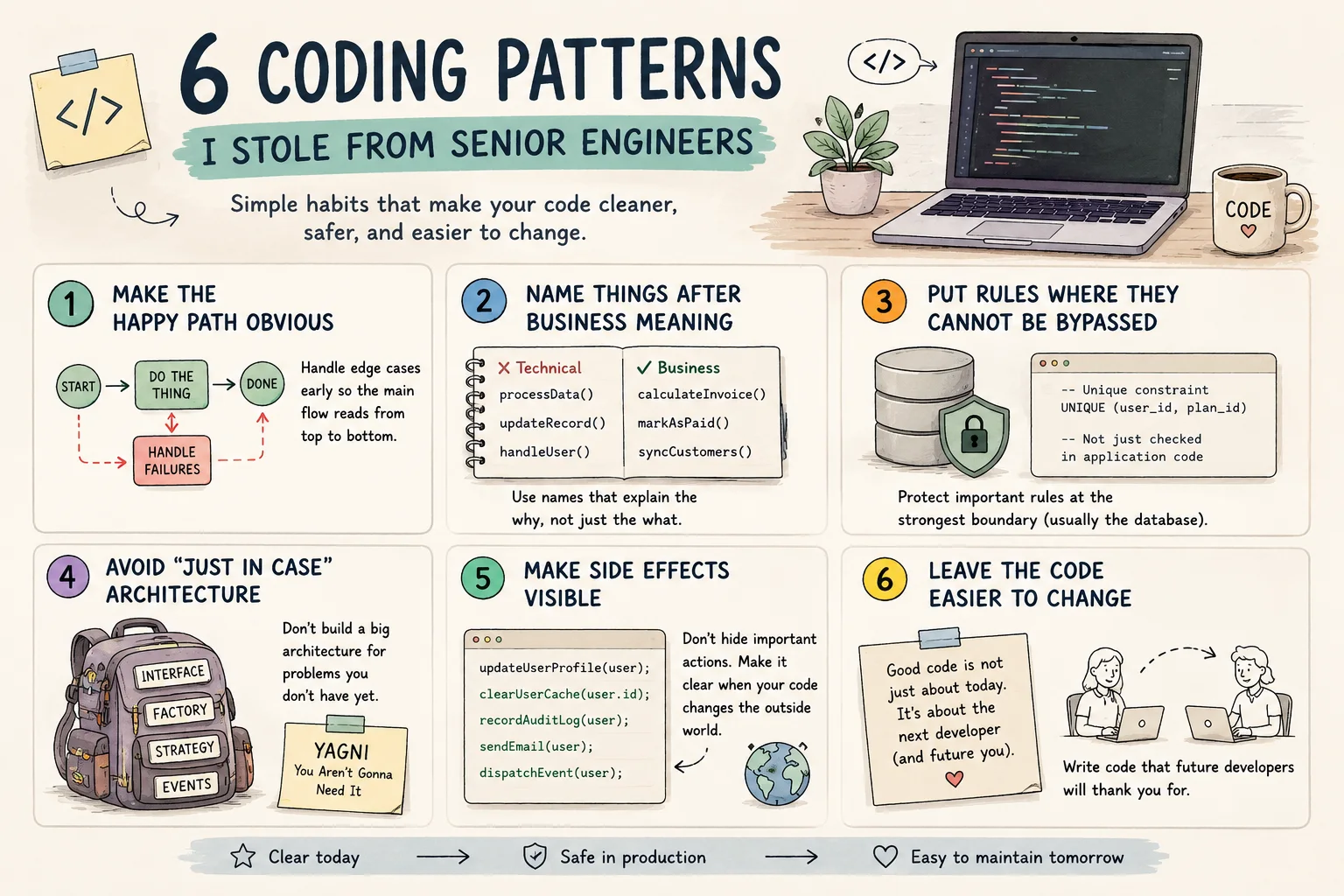
6 Coding-Patterns, die ich von Senior Engineers gelernt habe

Einen privaten KI-Assistenten für Notizen bauen
Mache aus Markdown-Notizen einen durchsuchbaren Assistenten, ohne private Entwürfe offenzulegen.

Rechnungsdaten mit OCR automatisiert auslesen
Baue eine Pipeline, die Rechnungen liest, Felder extrahiert und unsichere Werte markiert.
Kommentare
0 KommentareNoch keine freigegebenen Kommentare sichtbar. Neue Antworten können moderiert werden.